Rondônia Voters: How to Request an Absentee Ballot for 2026 Elections
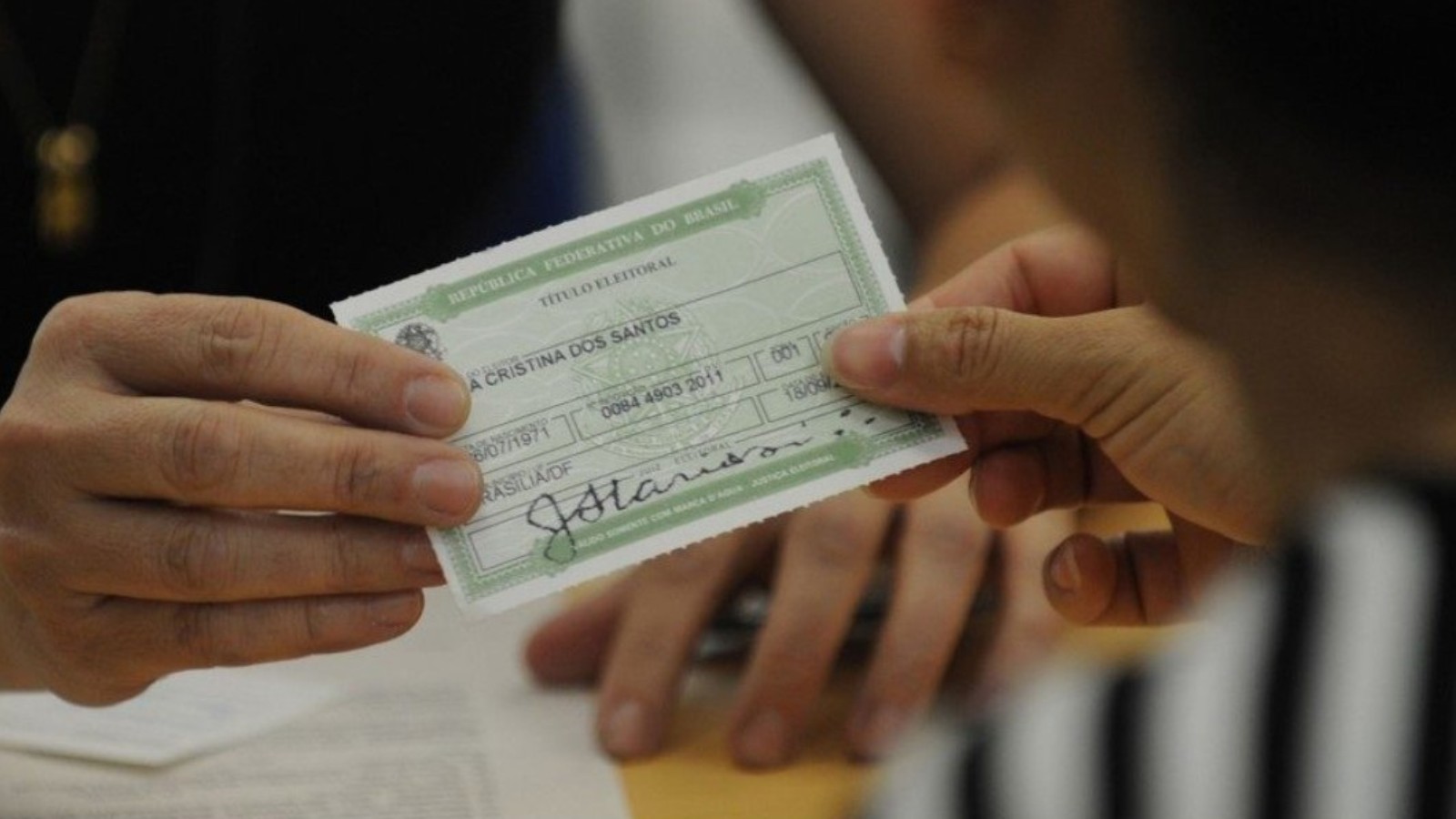
Voters in Rondônia have until August 20, 2026, to request an absentee ballot for the upcoming General Elections. This option is available for those who will be away from their registered municipality on election day. The request can be submitted online or in person at any electoral office in Rondônia. Voters who are within Rondônia but in a different municipality can vote for all positions, including president, governor, senator, federal deputy, and state deputy. However, those voting from another state will only be able to cast a ballot for the president. Brazilians residing abroad who are in Brazil on election day will follow the same rule as those voting from another state. Additionally, a Temporary Electoral Section Transfer (TTE) is available for specific groups, with a deadline of August 28. Eligible individuals for TTE include poll workers, security personnel on duty, electoral justice officials, individuals with disabilities, indigenous and traditional community members, and pre-trial detainees. To apply, voters with registered biometrics can use the online self-service portal. Those without biometrics or who prefer in-person service must visit an electoral office with a photo ID. Applicants must specify the desired voting location and whether the request applies to the first round, second round, or both. The electoral court advises voters to be certain of their plans, as approved requests require voting at the chosen location, and failure to do so will necessitate justifying the absence.
The electoral process in Rondônia is facilitating voter participation for those unable to vote in their registered location, addressing logistical challenges. The system allows for flexibility by enabling absentee voting within the state for all offices and for the presidency when voting from outside the state. The provision for Temporary Electoral Section Transfers acknowledges diverse societal needs and roles, ensuring that essential workers, vulnerable populations, and specific community members can exercise their franchise. This approach aims to balance electoral integrity with inclusivity, recognizing that citizen engagement is paramount. Future considerations may involve further streamlining the application process and ensuring equitable access to information across all demographics, particularly in remote or underserved areas, to maximize participation in democratic processes.
AI-generated to prompt reflection — not editorial opinion, not advice, not a statement of fact. How this works.