Rope Jump Fatality: Organizer Charged with Qualified Homicide in Brazil
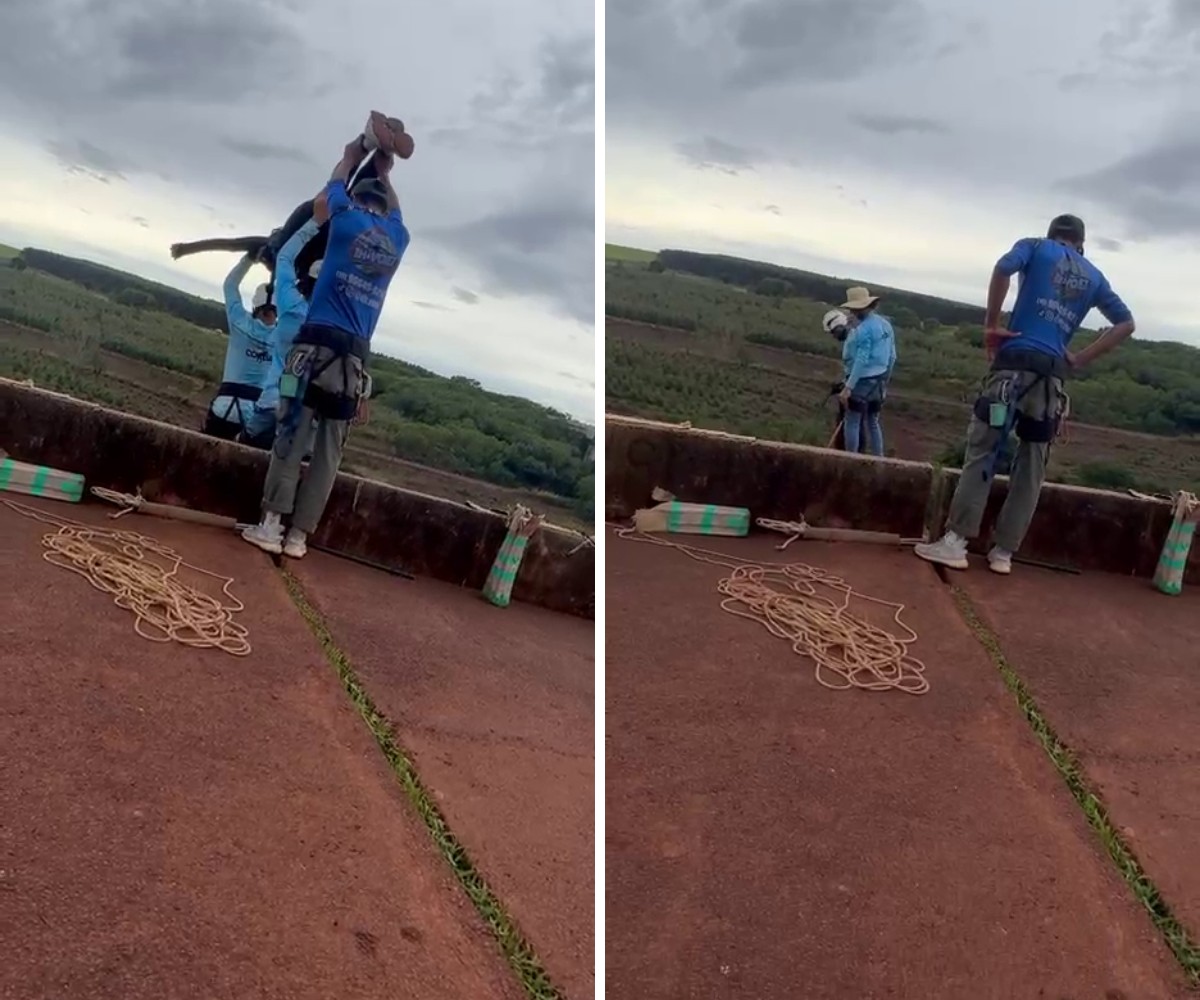
Brazilian police have concluded a second investigation into the death of 21-year-old Maria Eduarda Rodrigues de Freitas, who died during a rope jump event. The organizer, 43-year-old Evelyne dos Santos Gonçalves, has been indicted for qualified homicide and procedural fraud. Police are seeking to convert her temporary arrest into preventive detention, citing her legal duty to prevent the outcome and her assumption of risk due to precarious conditions. The investigation also involves the disappearance of the camera Maria Eduarda was using during the jump, which is considered crucial evidence. Initially, three instructors were arrested on the day of the incident, June 13, 2026, and remain in preventive detention. These instructors were seen launching Maria Eduarda from the Ponte do Esqueleto, a bridge located between Limeira and Cordeirópolis in São Paulo state, without safety ropes. A subsequent arrest of three individuals, including Evelyne, occurred on June 20, 2026. Police are seeking to revoke the arrest orders for two of these individuals, João Antonio Pivetta Ribeiro da Silva and Gabriel Barros Martins, pending a judicial decision. The rope jump, distinct from bungee jumping, uses static ropes and involves a pendulum-like swing after the fall. Investigators are also looking into the potential destruction of digital evidence. The case is being investigated as homicide with eventual intent, and police have interviewed approximately 21 people. Searches and seizures of electronic devices have also been authorized.
This tragic incident highlights critical gaps in safety protocols and regulatory oversight for extreme sports events. The indictment of the organizer for qualified homicide and procedural fraud suggests a potential failure to uphold duty of care and possible attempts to obstruct justice, particularly concerning the missing camera. The investigation's focus on eventual intent and the precarious conditions underscores the systemic risks inherent when profit motives potentially overshadow safety imperatives. Future frameworks should mandate stringent licensing, independent safety audits, and clear lines of accountability for event organizers to prevent similar occurrences and ensure participant well-being in the growing adventure tourism sector.
AI-generated to prompt reflection — not editorial opinion, not advice, not a statement of fact. How this works.