Rope Jump Organizer Accused of Ordering Evidence Destruction After Fatal Accident
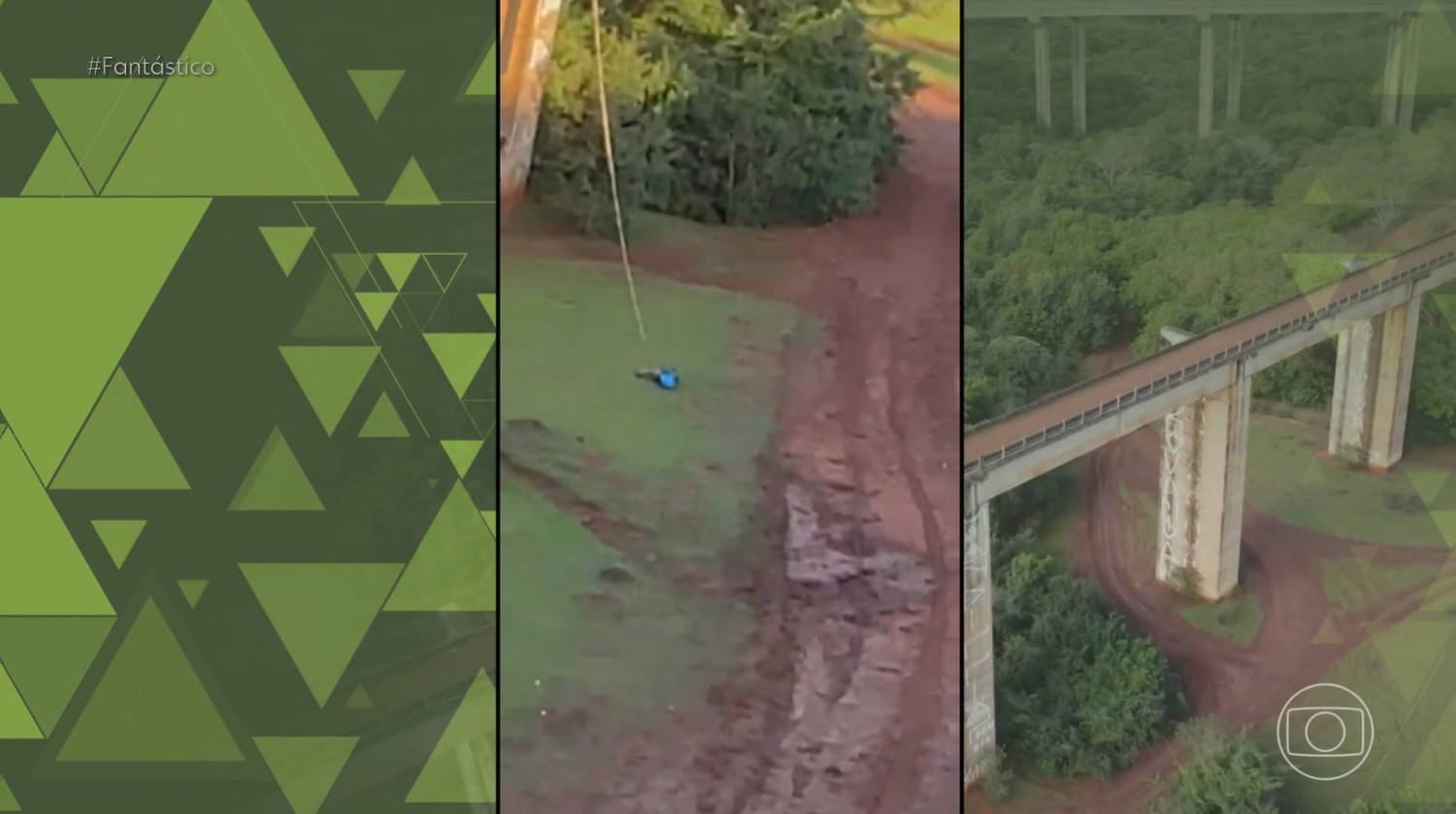
Authorities in Limeira, São Paulo, Brazil, have indicted four individuals, including Evelyne dos Santos, identified as the organizer of the rope jump group 'Entrecordas,' in connection with the fatal accident of 21-year-old Maria Eduarda de Freitas. Dos Santos is accused of ordering employees to delete camera footage after the incident on June 13, where Freitas was launched from a bridge without being secured to a safety rope. She faces charges of homicide with eventual intent and procedural fraud.
Witnesses reported that Dos Santos, who presented herself as the 'CEO of Entrecordas' on social media, instructed staff to retrieve a GoPro camera used by Freitas and erase the video recorded during the fatal jump. Investigators also uncovered evidence suggesting a pattern of attempted evidence concealment, as a former employee provided an audio message detailing a similar order from Dos Santos to delete footage of a prior accident involving a nine-year-old boy. This earlier incident, which occurred three months prior at the same location, involved a near-fatal failure in the rope's braking system and should have served as a warning.
Four individuals, including Dos Santos, Vitor de Freitas, Maicon Cintra, and Luis Felipe Egoroff, have been indicted for homicide with eventual intent, with Freitas, Cintra, and Egoroff allegedly being the ones who launched the victim from the structure. The police report concluded that the operation was characterized by significant disorganization, inadequate area isolation, and a high volume of jumps in a short period, increasing the risk of human error. The 'Entrecordas' group operated clandestinely for over a year without formal registration. The bridge, belonging to the former Federal Railway Network, is now inaccessible.
The investigation into the fatal rope jump incident highlights systemic failures in operational oversight and safety protocols within clandestine recreational activities. The alleged destruction of evidence, if proven, indicates a deliberate attempt to obscure critical details of the accident, potentially hindering accountability and future prevention efforts. This situation underscores the importance of robust regulatory frameworks for adventure sports, even those operating outside formal corporate structures. The repeated incidents suggest a pattern where profit motives or a disregard for safety may have superseded due diligence, raising questions about the incentive structures that govern such operations and the adequacy of oversight mechanisms for potentially hazardous activities. Future considerations should include how to better identify and mitigate risks associated with informal or underground recreational enterprises to prevent similar tragedies.
AI-generated to prompt reflection — not editorial opinion, not advice, not a statement of fact. How this works.