Roraima Autism Center Pauses Therapy, Leaving Families Anxious
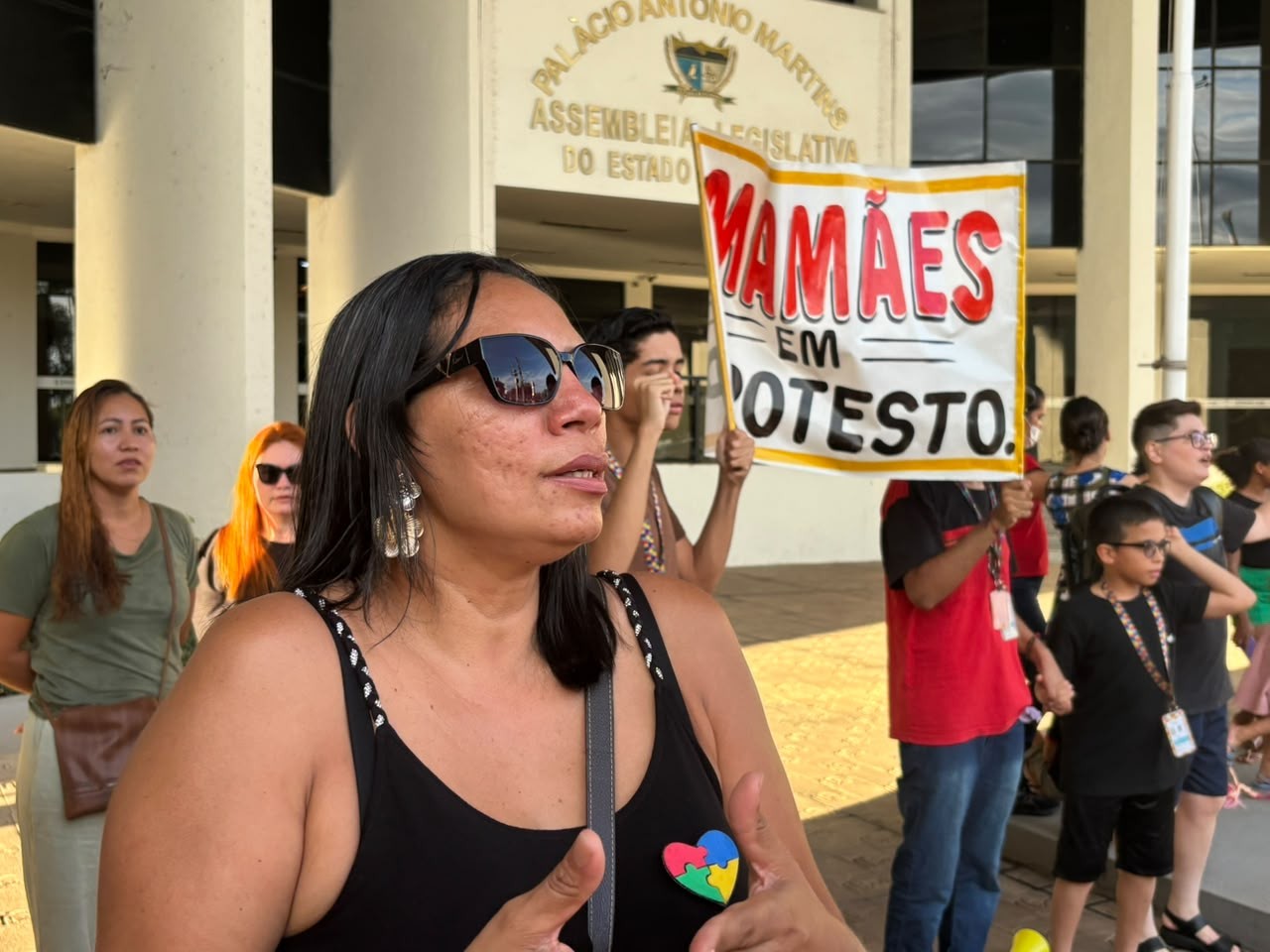
A mother in Roraima, Brazil, has expressed deep concern over the suspension of vital therapies for her four-year-old daughter with autism. Urbelane dos Prazeres stated that her daughter's treatment at the Autism Welcome Center (Teamarr), a program run by the Legislative Assembly of Roraima (Ale-RR), was abruptly halted. This interruption occurred following the dismissal of administrative staff and the removal of materials from the center. The Ale-RR claims the program is undergoing administrative reorganization and is scheduled to resume activities on July 27. However, dos Prazeres fears her daughter will regress and lose developmental gains made over the past two months, especially after a nearly year-long wait for a spot. She was not informed of the program's recess, as promoted by the Ale-RR. The mother highlighted her daughter's significant progress in socialization and communication, attributing it directly to the therapies at Teamarr, which provided a safe environment given the child's congenital diaphragmatic hernia and low immunity. Dos Prazeres suspects the disruption is due to political infighting, questioning why children are being punished. At least 750 families, benefiting over a thousand children and adolescents, receive free services from Teamarr, established in 2022. The center's sudden closure and restricted access have led to protests by concerned parents.
The abrupt suspension of essential therapies at the Roraima Autism Center (Teamarr) following administrative changes raises significant concerns about the impact on vulnerable children. The stated reason for the pause, an administrative reorganization, appears to be a consequence of political shifts within the Legislative Assembly of Roraima, specifically mass dismissals of personnel. This situation highlights a systemic risk where political disputes can directly disrupt critical public services, disproportionately affecting those who rely on them. The center's closure, impacting over a thousand children, underscores the fragility of programs dependent on consistent governmental funding and stable administration. Future planning should prioritize safeguarding such services from political volatility to ensure continuity of care and prevent developmental setbacks for children with autism. The incident prompts consideration of governance structures that insulate essential social programs from partisan conflicts.
AI-generated to prompt reflection — not editorial opinion, not advice, not a statement of fact. How this works.