Roraima Civil Police launches first paid internship program with 172 positions
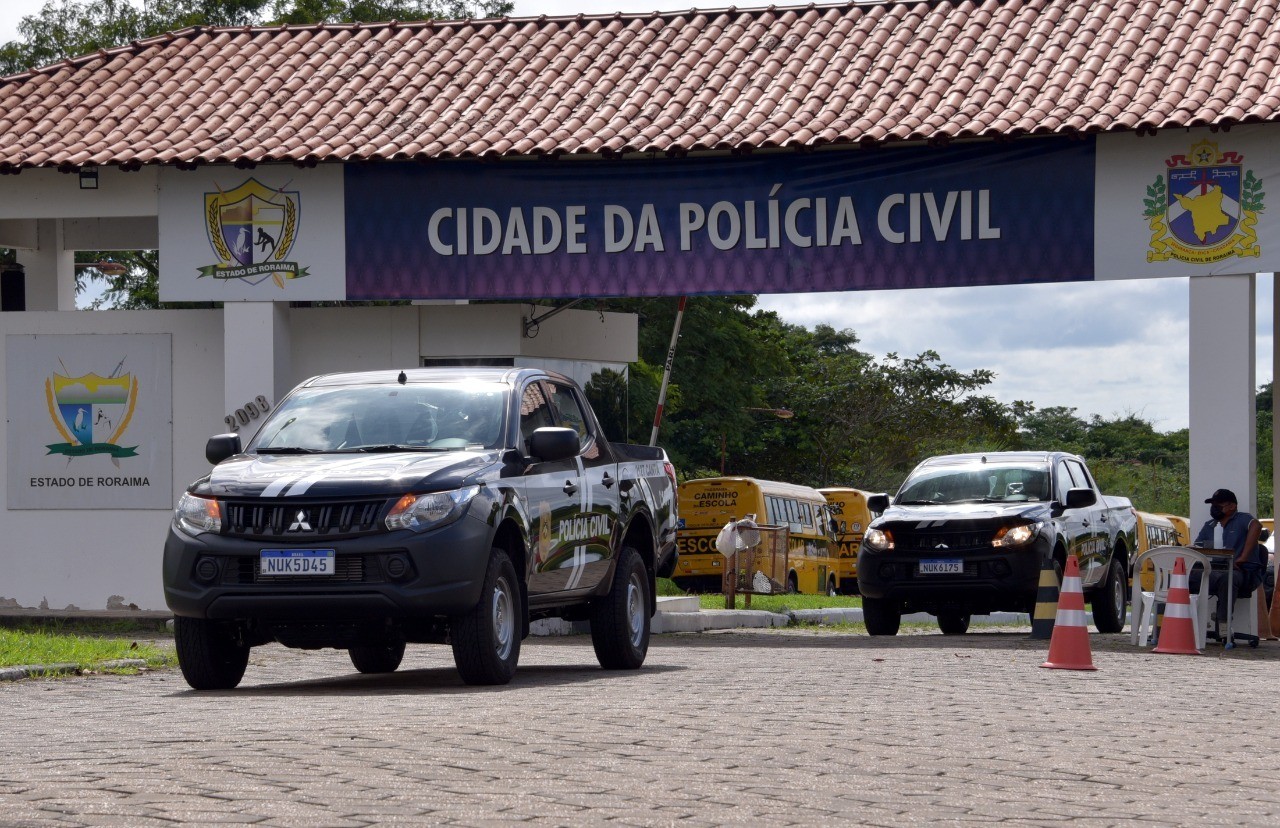
The Civil Police of Roraima has launched its inaugural paid internship program, offering 172 positions for students in technical and higher education programs across more than 20 fields. This initiative aims to provide practical experience for students while enhancing the services offered by the police force. The program's implementation was made possible by a recent amendment to state legislation allowing for paid internships within the Civil Police. According to interim delegate-general Jimmy Santana, the program represents months of dedicated work by the institution's technical team. It seeks to bridge the gap between academic learning and professional application, strengthening student qualifications and fostering closer ties between the police and educational institutions. The selection process includes creating a reserve list for future openings. The majority of the positions, 170, are designated for higher education students, with two reserved for those pursuing a Technical Course in Laboratory. Eligible students must be currently enrolled and have completed at least 50% of their course's credit hours. Internship stipends are set at R$1,350 for higher education roles and R$950 for technical roles, with an additional R$200 for transportation assistance for all interns. Interns will work a 30-hour week, six hours per day, with schedules designed to accommodate their academic commitments. Student applications will be accepted from July 27 to August 9 via the Civil Police portal, where educational institutions can also apply for accreditation.
This initiative by the Civil Police of Roraima to establish a paid internship program signifies a strategic investment in human capital, aligning with broader trends of public sector organizations seeking to leverage emerging talent. By offering structured opportunities and financial incentives, the program addresses both the practical needs of the police force for diverse skill sets and the developmental aspirations of students. This approach can foster a more engaged and skilled future workforce, potentially improving public service delivery. From a systemic perspective, such programs can mitigate the 'brain drain' from regional institutions and cultivate a pipeline of qualified professionals within the state. The program's success will likely depend on effective mentorship, clear performance metrics, and the integration of interns' contributions into the organization's operational objectives, thereby ensuring mutual benefit and long-term sustainability.
AI-generated to prompt reflection — not editorial opinion, not advice, not a statement of fact. How this works.