Roraima Electoral Prosecutor Investigates WhatsApp 'Activism' During Work Hours
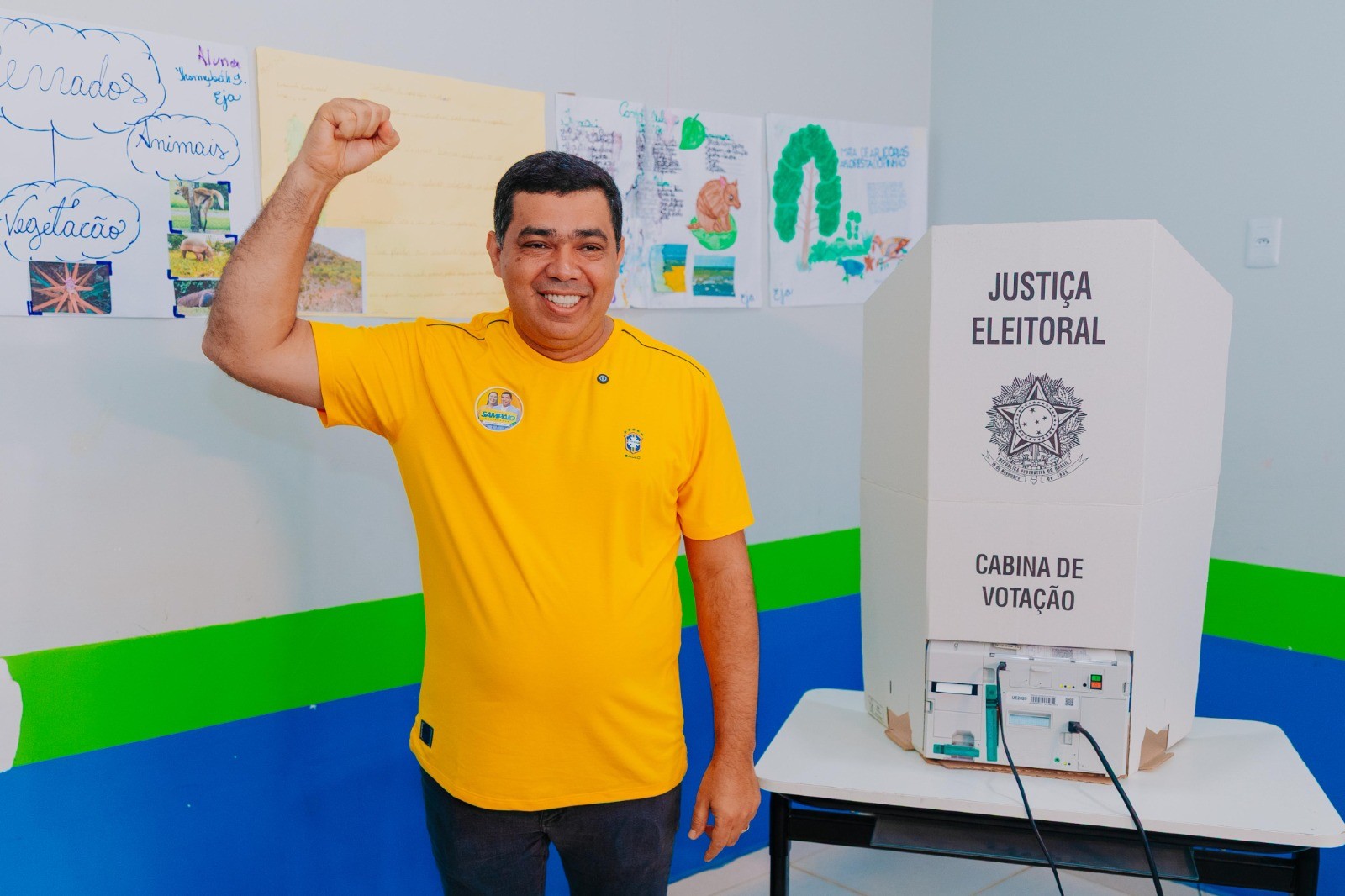
The Electoral Public Prosecutor's Office (MPE) in Roraima has launched an investigation into allegations that public servants used WhatsApp groups to promote electoral content during official work hours. The probe aims to determine if state government resources and personnel were improperly utilized to benefit the interim governor, Soldado Sampaio (Republicanos), in the recent supplementary gubernatorial election. This alleged practice could constitute an abuse of authority and prohibited conduct for public servants during an election period. The investigation, led by regional electoral prosecutor Miguel de Almeida Lima, will examine "digital activism across multiple State Government Secretariats of Roraima via the WhatsApp application" and the dissemination of "publicity during work hours." The MPE is looking into potential abuses of power and misconduct by public agents in favor of candidate Francisco dos Santos Sampaio for the position of Governor of Roraima in the 2026 supplementary elections. Although the specific secretariats under scrutiny are not detailed, a prior denunciation in May alleged that employees of the Secretariat of Public Security were compelled to wear campaign attire and attend Sampaio's party convention, with instructions reportedly coming from the secretariat's head. The investigation is being conducted through a Preparatory Electoral Procedure (PPE), which allows for deeper examination of suspected electoral irregularities before any potential legal action is filed. The probe is grounded in electoral law, which prohibits public agents from using public administration assets and services for campaign benefits and bars the use of public servants for campaign activities during work hours, unless they are on leave. The initial suspicion was brought to the Regional Electoral Prosecutor's attention through a "Notícia de Fato," a notification of a possible irregular action requiring initial analysis.
This investigation into alleged WhatsApp activism during work hours in Roraima highlights the persistent challenge of maintaining electoral integrity amidst evolving digital communication methods. The core issue revolves around the potential misuse of public resources and state authority for partisan gain, a practice that can distort the fairness of electoral competition. Examining the incentive structures for public servants and the oversight mechanisms within government agencies is crucial to understanding how such breaches might occur and how they can be prevented. As digital platforms become increasingly central to political discourse and campaigning, regulatory frameworks must adapt to address the unique vulnerabilities they present, ensuring that public service remains distinct from political campaigning. The long-term implications involve strengthening democratic institutions by fostering transparency and accountability in both traditional and digital spheres of governance.
AI-generated to prompt reflection — not editorial opinion, not advice, not a statement of fact. How this works.