Roraima Farmers Can Use Capim-Açu and Moringa to Feed Cattle During Drought
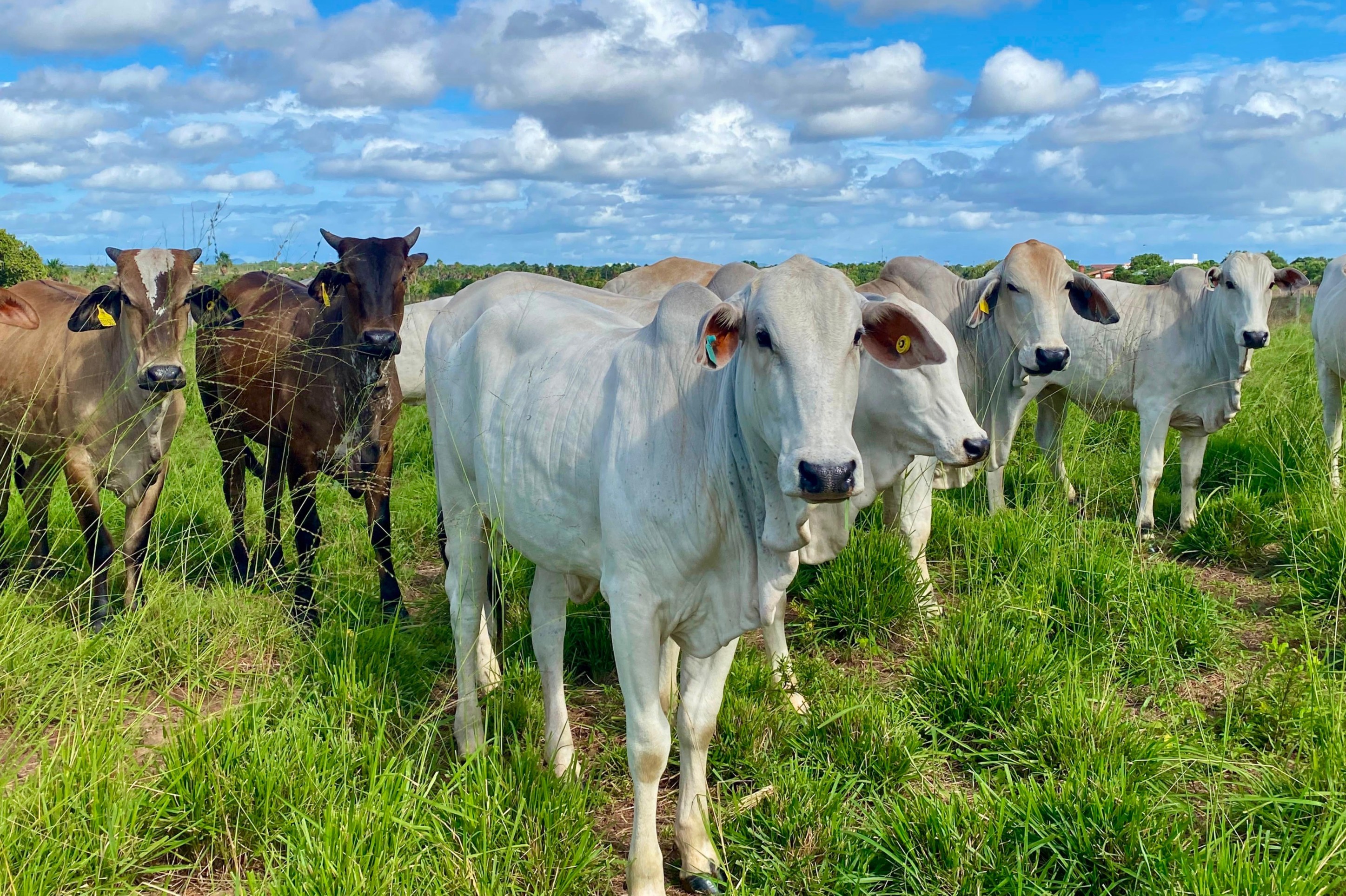
As Roraima anticipates a dry season with reduced rainfall, cattle farmers are advised to plan ahead for herd nutrition and water management. Zootecnist Jalison Lopes from the Federal University of Roraima (UFRR) suggests that plants like capim-açu can provide essential protein for cattle, offering up to 15% of the nutrient with proper management techniques. He notes that capim-açu is best harvested for silage after 120 days of growth to ensure sufficient biomass. Another promising alternative is moringa, which is being studied at UFRR's Center for Agrarian Sciences (CCA). Moringa leaves are rich in protein, containing up to 30%, and can potentially replace soybean meal in cattle feed during periods of forage scarcity. Beyond these forage options, Lopes emphasizes the importance of storing food like silage, hay, and pre-dried fodder before the dry season arrives to guarantee adequate supply. He also highlights that managing heat stress is crucial, as high temperatures increase cortisol production in cattle, making them more susceptible to opportunistic diseases. Providing shade and water is essential to mitigate these effects, which can reduce feed intake, weight gain, and overall farm productivity. Lopes also advises on sanitary calendars, recommending that farmers monitor endemic diseases to determine annual vaccination schedules. In some cases, reducing herd size may be necessary to align livestock numbers with available food resources, preventing performance losses and financial setbacks. The CCA's work also involves UFRR students, providing them with practical experience in animal husbandry, feeding, health management, and research.
The impending dry season in Roraima necessitates proactive strategies for livestock management, focusing on sustainable feed alternatives and resource conservation. The integration of capim-açu and moringa presents an opportunity to enhance herd nutrition while potentially reducing reliance on conventional feed sources like soybean meal. This approach aligns with broader agricultural trends toward climate resilience and diversified farming systems. However, the long-term viability and scalability of these alternatives, alongside effective water management and heat stress mitigation, will be critical determinants of success. Future planning should consider the economic feasibility for producers, the environmental impact of cultivating these forage crops, and the potential for technological advancements in feed processing and storage to further support livestock resilience in arid conditions.
AI-generated to prompt reflection — not editorial opinion, not advice, not a statement of fact. How this works.