Roraima Government Establishes New Family Secretariat, Appoints Pastor to Lead
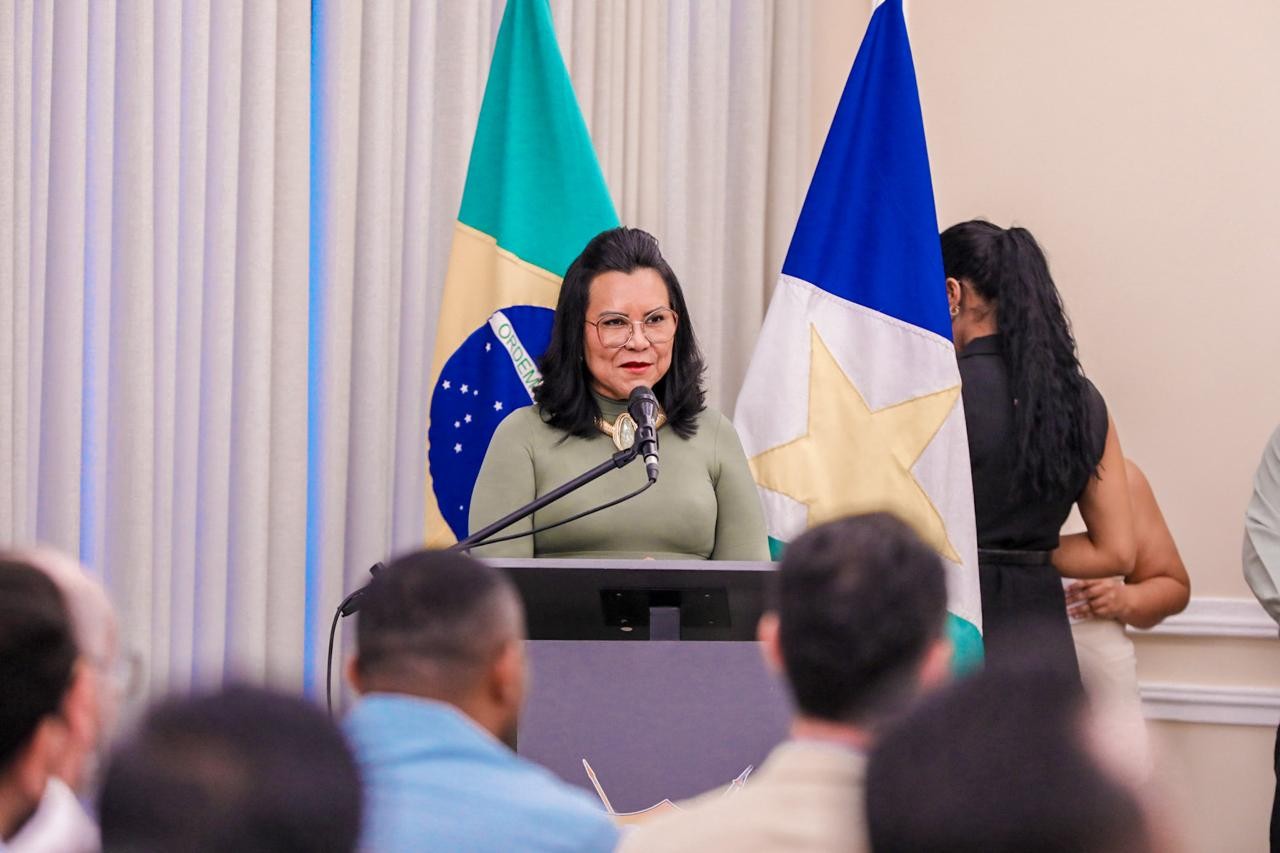
The Government of Roraima has established a new Extraordinary Secretariat for Family, Early Childhood, and Community (Sefic), which replaces the Extraordinary Secretariat for Institutional Relations (Seri). Pastor Hildete Albuquerque has been appointed as the first secretary of this new portfolio. The creation of Sefic was formalized by interim Governor Soldado Sampaio (Republicanos) on Thursday, May 9th. The secretariat's mandate includes planning public policies to strengthen families, promoting family guidance and parental education programs, and implementing preventive social protection initiatives for pregnant women and early childhood. Early childhood is defined as the period from gestation to a child's sixth year of age. The government stated that Pastor Albuquerque brings experience in management, institutional communication, human development, and public ceremonial matters. She described the role as a significant challenge, emphasizing her professional background and the secretariat's focus on strengthening human bonds through prevention, rather than solely reacting to established problems. Governor Sampaio highlighted Albuquerque's strong social work within and beyond the evangelical community, noting her dedication to Roraima's families. The budget and duration of the new secretariat were not disclosed, but it will inherit the structure, positions, contracts, and budgetary resources of the former Seri. Social assistance services will remain under the purview of the Secretariat of Labor and Social Welfare (Setrabes). Sefic is expected to conduct educational campaigns, research, and data monitoring related to family strengthening. It will also focus on preventing and combating chemical dependency, aiding rural families and interior communities, fostering intergenerational relationships, and training public servants in human development and family bonds.
The establishment of the Sefic signifies a governmental prioritization of family-centric policies, potentially aiming to address societal challenges through proactive social support and early intervention. By appointing a leader with a background in religious and community work, the government signals an approach that may leverage existing social networks and values. This move could foster stronger community ties and provide a platform for addressing issues like chemical dependency and early childhood development. However, the integration of religious leadership into state governance warrants careful consideration regarding secular principles and equitable service delivery across diverse populations. The long-term impact will depend on the secretariat's capacity to translate its preventative mandate into measurable outcomes and its ability to collaborate effectively with existing social welfare structures, ensuring comprehensive support without duplication or exclusion.
AI-generated to prompt reflection — not editorial opinion, not advice, not a statement of fact. How this works.