Roraima Leads Brazil in Most Expensive Airfare, Anac Data Reveals
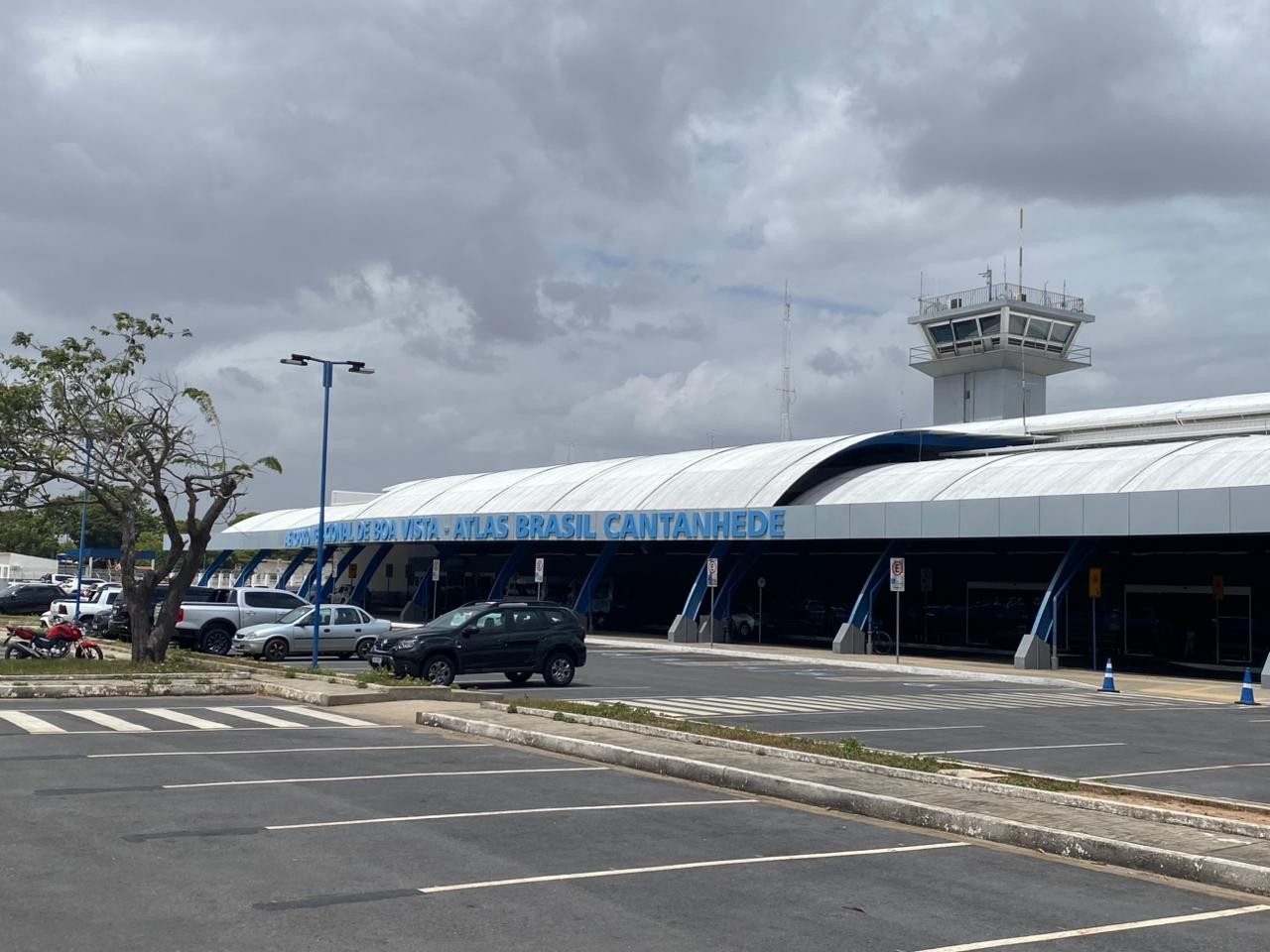
Roraima, Brazil, holds the distinction of having the most expensive airfare in the country, according to data from the National Civil Aviation Agency (Anac). The average fare paid by passengers departing from Roraima was R$ 1,401.05, more than double the national average of R$ 648. This finding is part of the Air Transport Yearbook, which compiles data from 2025. The report highlights that four of the five states with the highest average airfares are located in the Northern region. Following Roraima, the states with the highest average fares are Rondônia (R$ 1,277.18), Acre (R$ 1,152.66), Amazonas (R$ 961.30), and Alagoas (R$ 886.38). The Anac's average airfare calculation represents the mean price paid by passengers for domestic flights originating in each state, excluding tickets bought with miles, corporate fares, package deals, airline employee tickets, and charter flights. These figures are adjusted for inflation (IPCA) to enable year-on-year comparisons. Beyond its status as the most expensive, Roraima also experienced the largest year-on-year increase in airfare. In 2025, the average domestic fare originating from Roraima rose by 39.98% compared to 2024, an increase of approximately R$ 400 from a previous average of around R$ 1,000. Additionally, Roraima recorded the longest average domestic flight distance at 2,906 kilometers, significantly more than the national average and over three times the distance flown from Minas Gerais, which had the shortest average flight distance at 863 kilometers.
The elevated airfare costs in Roraima and other Northern states, as reported by Anac, reflect systemic challenges in regional connectivity. Factors such as lower population density, limited competition among airlines, and the vast geographical distances inherent to the Amazon region likely contribute to higher operational costs. These costs are then passed on to consumers, creating a significant economic barrier for residents and businesses. As Brazil continues its development trajectory, addressing these disparities in transportation infrastructure and market dynamics will be crucial for fostering equitable economic growth and integration across all regions. Policy interventions could explore incentives for increased airline service, infrastructure investments, or alternative transportation solutions to mitigate the impact of these high fares on regional development and accessibility.
AI-generated to prompt reflection — not editorial opinion, not advice, not a statement of fact. How this works.