Roraima Public Prosecutor's Office Demands More Daycare Spots and Transparency in Southern Municipalities
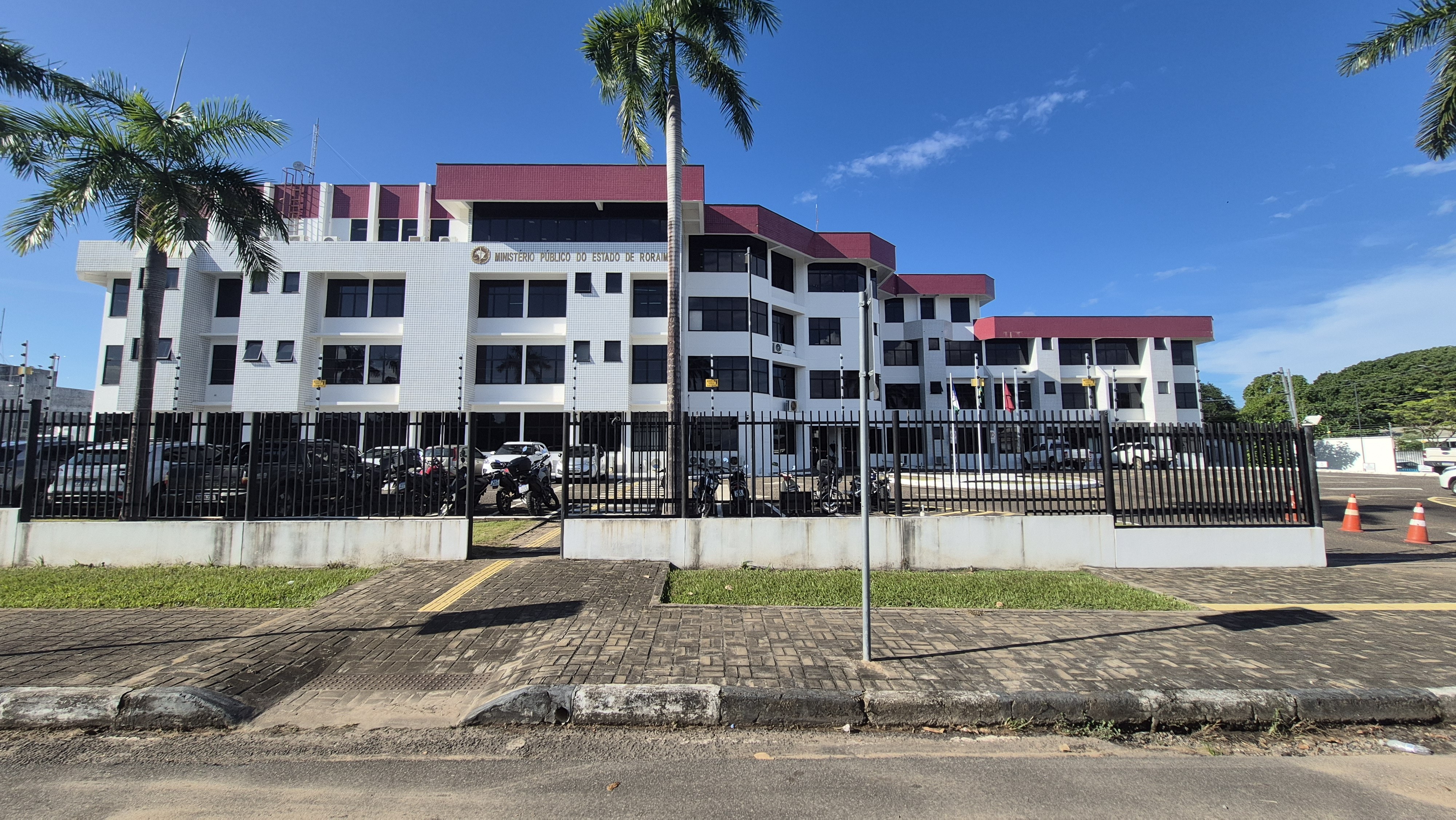
The Public Prosecutor's Office (MP) of Roraima has issued recommendations to the education secretariats of São João da Baliza and São Luiz, two municipalities in the southern part of the state, demanding an increase in daycare (creche) vacancies and greater transparency in waiting lists. This action aims to address the significant shortage of school access for young children in both locations and to meet targets set by the National Education Plan (PNE). As of the latest update, neither municipality had responded to requests for comment from g1.
In São João da Baliza, the MP found that only 23% of children aged zero to three years are enrolled in municipal daycares, with no available spots for infants under one year old. The expansion of facilities is stalled due to unfinished construction on two creches. The municipality claims there is no waiting list, as it only considers "manifest demand" from families who actively seek a spot, ignoring approximately 470 children not attending school and refusing active outreach due to a claimed lack of legal basis.
São Luiz faces a similar situation, with no daycare spots for children under one year old and overall coverage for children up to three years not reaching 30%. Furthermore, the education secretariat does not utilize a digital system for managing waiting lists, relying instead on internal notes and spreadsheets lacking public access and transparency. The MP has given both municipalities 60 days to implement solutions, including active outreach plans and projects to increase daycare coverage to at least 60% for children up to three years old. They must also establish unified, public digital systems for waiting lists. São João da Baliza also faces an additional requirement to immediately annul a municipal rule that mandates proof of employment for full-time daycare enrollment, with the MP emphasizing financial vulnerability as the priority criterion.
The Public Prosecutor's Office's intervention highlights a systemic challenge in ensuring equitable access to early childhood education, particularly in smaller municipalities. The discrepancy between "manifest demand" and the actual number of children out of school in São João da Baliza suggests a potential underestimation of need and a failure in proactive public service delivery. The lack of transparent, digital waiting lists in São Luiz points to governance weaknesses that can obscure resource allocation and create opportunities for inequity. Moving forward, these municipalities must balance immediate capacity expansion with robust, transparent systems to ensure long-term compliance with national educational goals and to foster public trust in the administration of essential social services.
AI-generated to prompt reflection — not editorial opinion, not advice, not a statement of fact. How this works.