Roraima Resident Travels Hours to Vote, Emphasizing Hope and Civic Duty
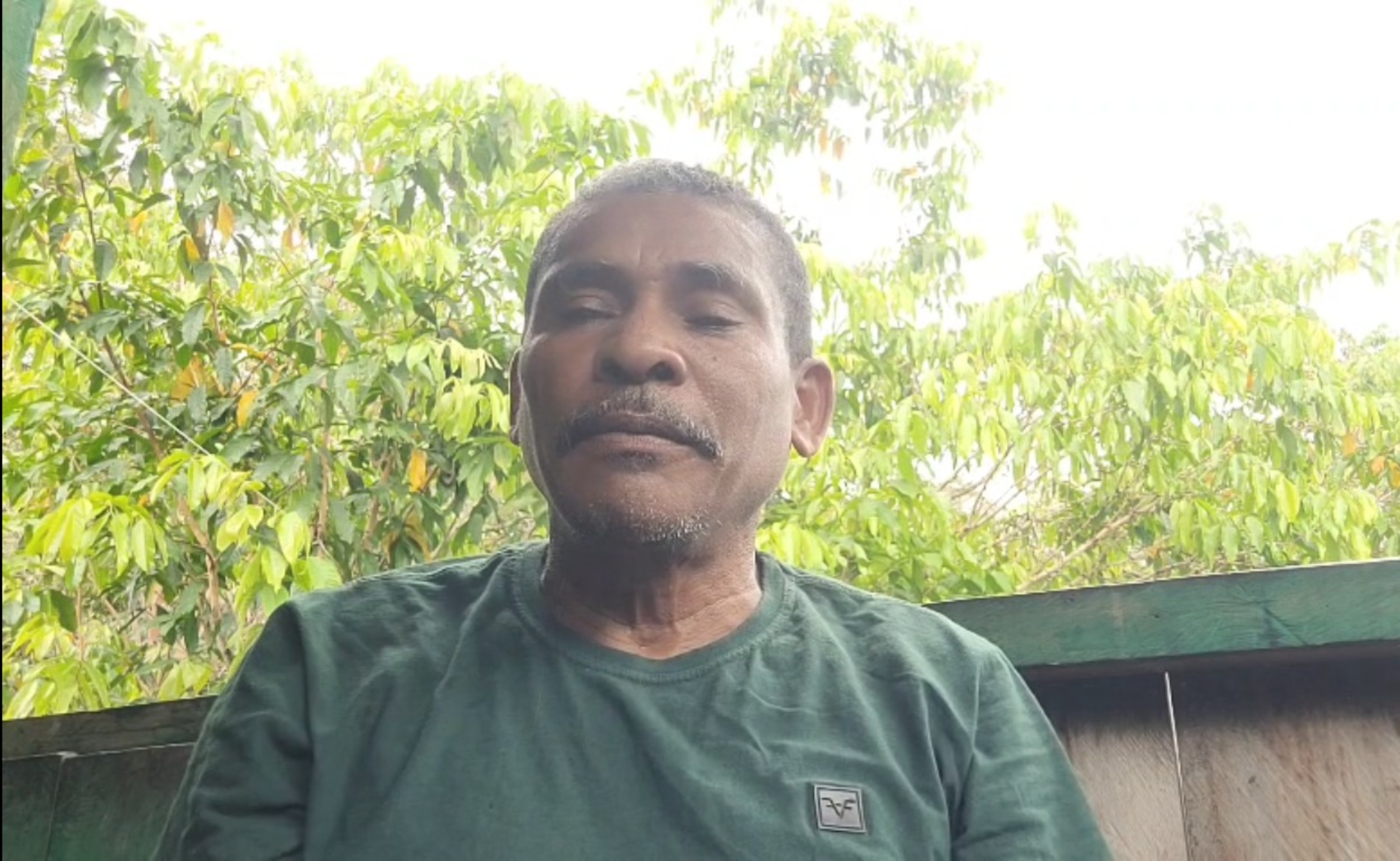
Aluísio Barroso, a resident of the Xixuaú community in Roraima's Baixo Rio Branco region, undertakes a journey of at least six hours, often involving boat travel, to cast his vote. Despite the significant effort, he consistently exercises his right to vote, viewing it as a crucial tool for transforming his community's reality and a powerful expression of hope. Barroso believes his vote represents his voice and that of his community, offering a vital opportunity for change. His commitment highlights the challenges faced by many voters in Roraima, particularly those in remote indigenous and riverside communities. The Regional Electoral Court of Roraima (TRE-RR) implements initiatives like "Justiça Eleitoral Itinerante" to bring electoral services to these isolated areas, enabling residents to regularize their electoral status. Alessandro Lima, a judicial analyst at TRE-RR, stresses the importance of each vote in collective decision-making. Júlio Araújo, another resident from Caicubi, echoes this sentiment, viewing voting as a responsibility and a commitment to the future development of his region and surrounding communities. Barroso and Araújo are among Roraima's 401,496 eligible voters who will participate in the 2026 General Elections to choose the President, Governor, two Senators, Federal Deputies, and State Deputies.
This narrative underscores the profound value placed on democratic participation in geographically challenging regions, where the act of voting requires substantial personal sacrifice. It illustrates a strong civic motivation rooted in the belief that electoral processes are the primary mechanism for effecting tangible improvements in local conditions. The initiative by Rede Amazônica Foundation, focusing on "Democracy in the digital age," suggests a broader societal engagement with how technology can either enhance or complicate access to political representation. The logistical efforts by TRE-RR highlight the ongoing tension between universal suffrage principles and the practical realities of ensuring equitable access in diverse terrains. The analysis of voter turnout and engagement in such contexts, particularly concerning the influence of digital tools and the physical barriers to participation, will be critical in shaping future electoral policies and technological integrations to foster inclusivity.
AI-generated to prompt reflection — not editorial opinion, not advice, not a statement of fact. How this works.