Roraima's Ex-Governor Fulfilled Only 3 of 30 Campaign Promises
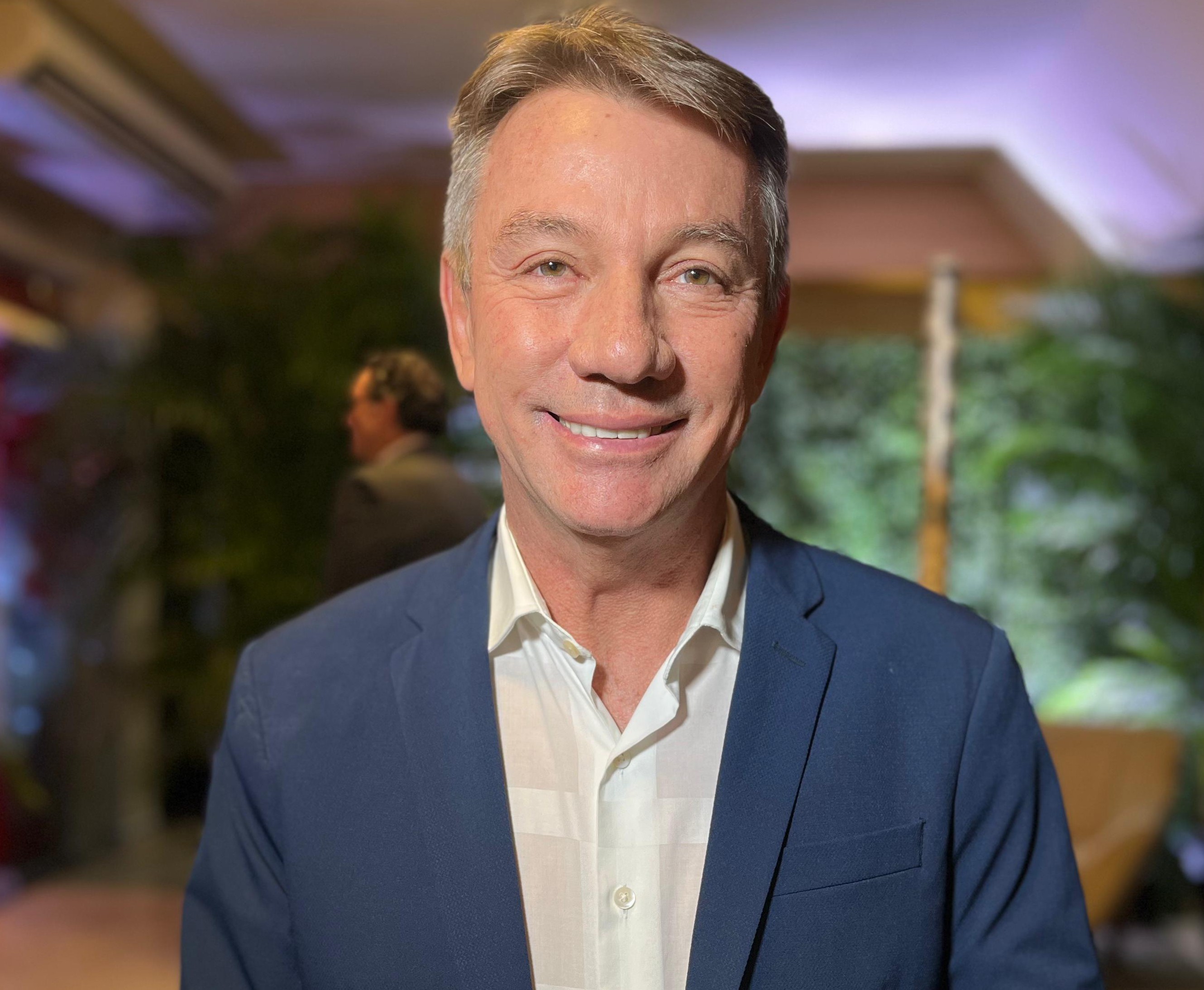
Antonio Denarium, former governor of Roraima, has fulfilled only 3 out of 30 campaign promises made during his 2022 re-election bid, according to a g1 investigation. The 'Promessas dos Políticos' project tracks candidate commitments. Denarium resigned in March 2026 to run for the Senate, with his successor, Edilson Damião, also being removed from office shortly after due to electoral court rulings. The presidency of the Legislative Assembly, currently held by Soldado Sampaio, is governing Roraima on an interim basis. The g1 analysis covers the period from January 1, 2023, to June 30, 2026, representing three and a half years of the mandate.
Of the 30 pledges, 3 were fully completed, 4 were partially fulfilled with outstanding issues, and 23 remain unfulfilled. Specific unfulfilled promises include building a hospital for accident victims, creating a psychiatric clinic, and establishing a hemodialysis center, with patients often relying on private clinics facing payment issues. While a unified emergency services center was created and forensic expertise services were partially established, promises for a penitentiary school and increased prison capacity were not met. A report in June 2026 indicated prison overcrowding, despite plans for a new high-security facility. The 'pro-woman' security program was also not created, though police force expansion was cited by the government. Free uniforms were distributed to all students, and some schools were revitalized, but works did not reach indigenous communities, and legal action was sometimes required for reforms. Public service exams for education technicians and teachers were not held, with temporary contracts being used instead, and plans for technical courses in indigenous schools are pending budgetary and legislative approval. The number of militarized schools also saw no increase.
The investigation into Antonio Denarium's campaign promises highlights a significant gap between electoral commitments and actual governance outcomes in Roraima. The low fulfillment rate, with only 10% of promises met, suggests potential systemic issues in public administration, resource allocation, or political will. The frequent changes in gubernatorial leadership and the reliance on interim authorities may have disrupted policy implementation. Future administrations will face the challenge of rebuilding public trust by demonstrating greater accountability and effectiveness in delivering essential public services, particularly in areas like healthcare, education, and public safety, which are crucial for the state's development and the well-being of its citizens.
AI-generated to prompt reflection — not editorial opinion, not advice, not a statement of fact. How this works.