Roraima sees highest proportional voter growth in Brazil for 2026 elections
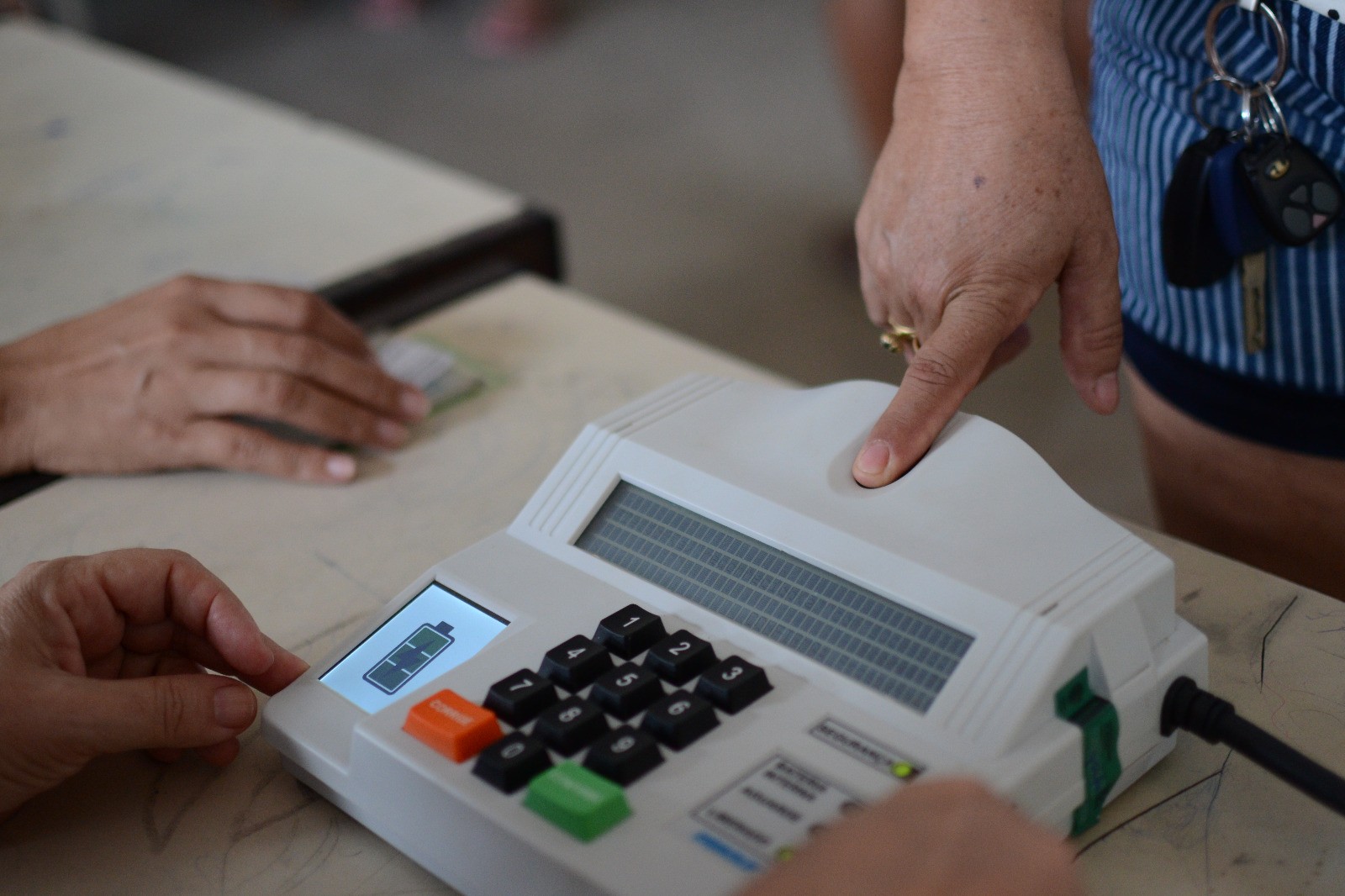
Roraima state has recorded the highest proportional growth in the number of eligible voters in Brazil, reaching a total of 401,496 for the 2026 General Elections. This represents an increase of 9.63% since the 2022 elections, with the addition of 35,256 new voters. The state's electorate is projected to be 401,496, compared to 366,240 in 2022. In the upcoming elections, voters will choose the President, Governor, two Senators, Federal Deputies, and State Deputies. The voting order on electronic ballots will be Federal Deputy, State Deputy, Senator (1st seat), Senator (2nd seat), Governor, and President. The first round of voting is scheduled for October 4, with a potential second round on October 25. Other states with significant proportional voter growth include Tocantins (8.07%) and Mato Grosso (6.84%). Nationally, 158.7 million Brazilians are eligible to vote. São Paulo remains the largest electoral college with 34,104,226 voters, though its proportional share of the national electorate decreased slightly to 21.48% from 22.1% in 2022. Women constitute a slight majority of Roraima's electorate at 51% (204,555 voters), while men make up 49% (196,941 voters). The largest age group is 25-29 years old, with 47,800 voters. Young voters aged 16-18 increased by 13.16% to 19,854. Voters over 60 also saw an increase, reaching 62,437, including 116 centenarians. Most voters in Roraima have completed high school (29.77%), followed by those with a complete higher education (10.71%). A small percentage (2.47%) are illiterate, and 5.2% can read and write. Additionally, 4,800 voters in Roraima have declared a disability or reduced mobility and can request special assistance. Fifty-two transgender and transvestite individuals have opted to use their social names on their voter registration. Voting is mandatory for Brazilians over 18, with exceptions for illiterates, 16- and 17-year-olds, and those over 70. Failure to vote or justify absence can lead to fines and restrictions on obtaining documents or public employment.
Roraima's notable proportional increase in its electorate, outpacing other Brazilian states, suggests a dynamic demographic shift or enhanced voter registration efforts within the region. This growth, particularly among younger demographics and those with disabilities, could reflect evolving social integration and accessibility initiatives by electoral authorities. While São Paulo retains the largest absolute number of voters, Roraima's expansion highlights potential shifts in regional political influence over the next decade. The analysis of voter demographics, including age and educational attainment, provides insights into the state's evolving social fabric and potential future voting patterns. Understanding the drivers behind this growth is crucial for electoral planning and assessing representation dynamics across Brazil.
AI-generated to prompt reflection — not editorial opinion, not advice, not a statement of fact. How this works.