Roraima Under Yellow Alert for Intense Rains and Strong Winds
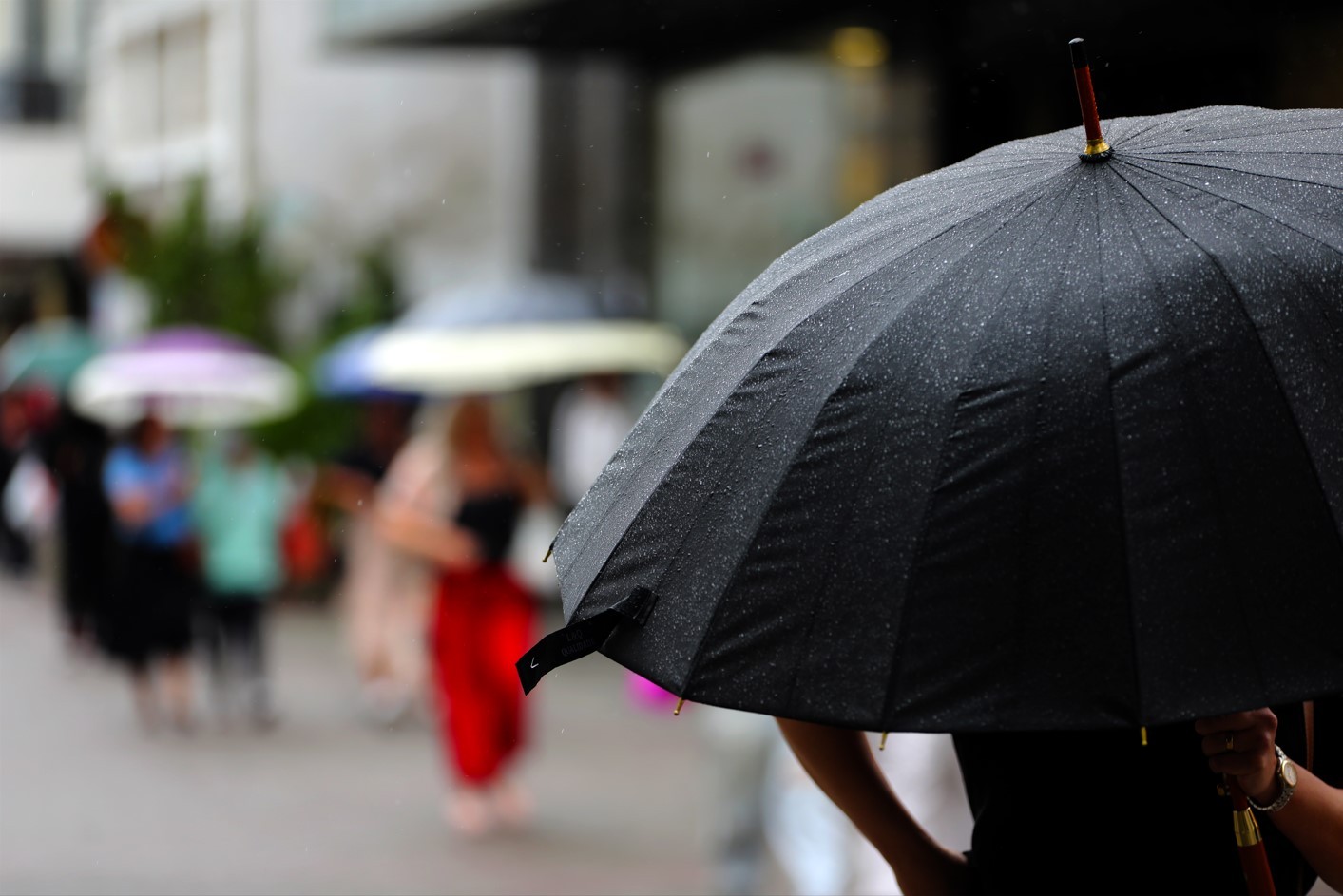
The state of Roraima, Brazil, is currently under a yellow alert for intense rainfall and strong winds, effective until Sunday night, May 5th. This alert, issued by the National Institute of Meteorology (Inmet), covers all 15 municipalities within the state. The yellow alert signifies potential danger, with forecasts predicting rainfall between 20 and 30 millimeters per hour, potentially reaching up to 50 millimeters daily, accompanied by winds gusting up to 60 km/h. While this level of alert carries a low risk of power outages, falling tree branches, flooding, and electrical discharges, Inmet advises the public against seeking shelter under trees or parking vehicles near transmission towers or billboards. Residents are also encouraged to avoid using electronic devices connected to power outlets. In emergencies, citizens are directed to contact the Civil Defense (199) or the Fire Department (193). Earlier in the week, on Thursday, May 3rd, heavy rains in Boa Vista caused localized flooding in areas like the Aparecida neighborhood and resulted in a tree falling in the Santa Tereza neighborhood. The severe weather also led to the cancellation of a concert by sertanejo singer Felipe Araújo at the São João no Parque Anauá event and caused delays in quadrilha performances due to water entering the arena.
The issuance of a yellow alert by Inmet highlights the state's vulnerability to meteorological events, prompting public safety advisories. This situation underscores the importance of robust urban planning and infrastructure resilience in regions prone to extreme weather. As climate patterns evolve, anticipating and mitigating the impacts of such events becomes crucial for safeguarding communities and economic activities. The cancellation of public events and damage reported in Boa Vista illustrate the tangible consequences of inadequate preparedness for intensified rainfall and wind. Future strategies should focus on enhancing early warning systems and investing in infrastructure that can withstand more frequent and severe weather phenomena, thereby reducing societal and economic disruption.
AI-generated to prompt reflection — not editorial opinion, not advice, not a statement of fact. How this works.