Rorainópolis Police Dismantle Drug Ring Using Teenagers Near Kindergarten
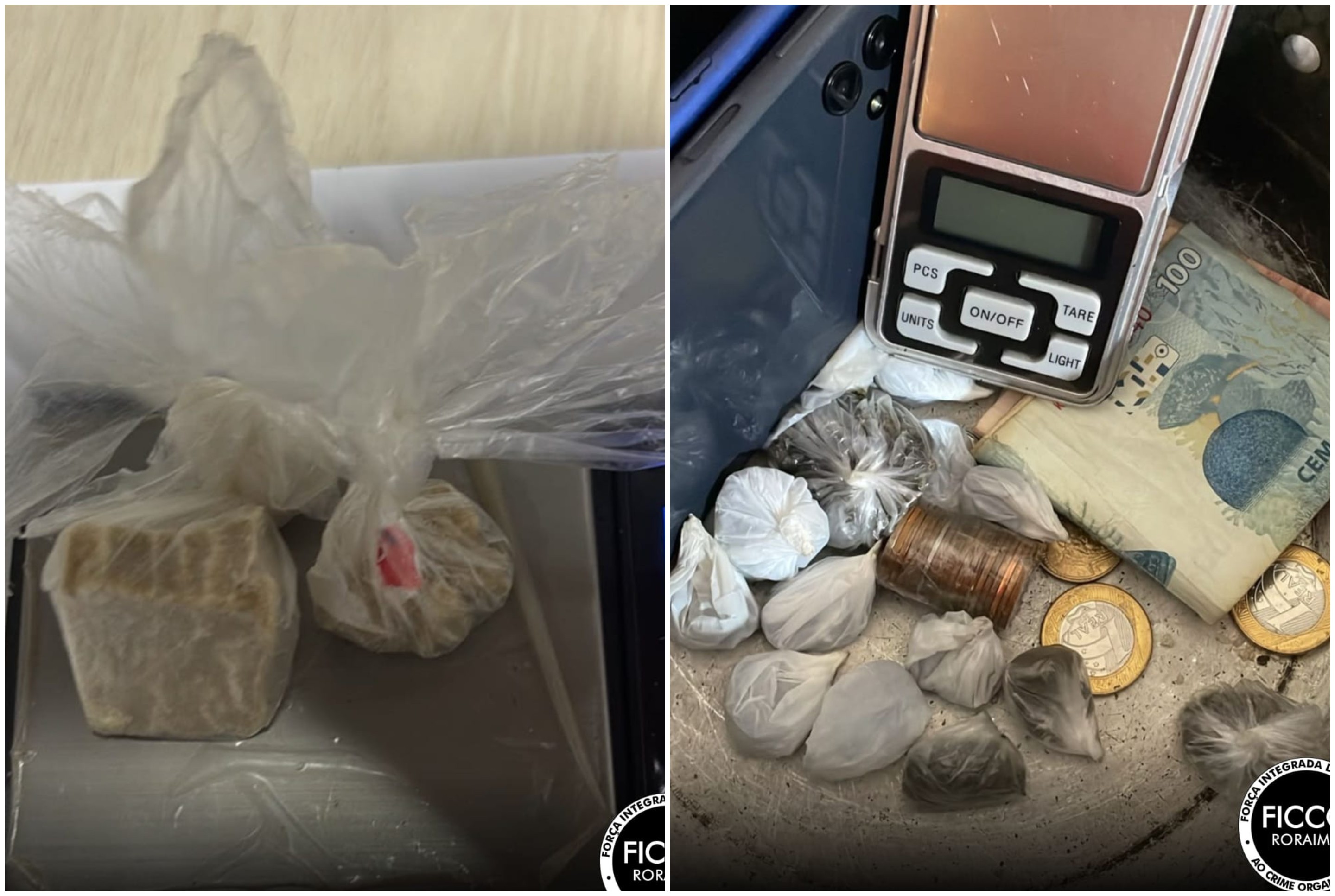
Authorities in Rorainópolis, Roraima, have dismantled a criminal organization that exploited teenagers for drug trafficking. The operation, coordinated by the Integrated Force to Combat Organized Crime (Ficco), followed investigations revealing that minors were recruited to sell drugs on streets and in homes throughout the city. A significant concern was that one of the drug distribution points was located approximately 100 meters from a local kindergarten.
The investigation indicated that the group's leader, who is currently wanted on two arrest warrants for qualified homicide and robbery, supplied drugs from Amazonas. These drugs were received by a 24-year-old construction worker, who then divided them into smaller quantities ranging from 100 to 300 grams for distribution to the recruited adolescents. These minors, in turn, packaged the drugs into individual portions, selling each for around R$ 50. The proceeds were funneled into a bank account held by the wife of one of the group's leaders. During the operation, law enforcement seized 270 grams of skunk, 18 grams of cocaine base paste, six mobile phones, a scale, cash, and bank deposit slips.
This operation highlights the persistent challenge of organized crime exploiting vulnerable youth for illicit activities, particularly in proximity to educational institutions. The structure, involving a leader supplying from another state, a local distributor, and adolescent street-level dealers, is a common model designed to insulate leadership and leverage the lower culpability of minors. The use of digital payment methods like Pix, alongside traditional cash transactions, indicates an adaptation to modern financial systems for money laundering. Future efforts may need to focus on disrupting these financial flows and addressing the underlying socioeconomic factors that make adolescents susceptible to recruitment by criminal factions, alongside robust law enforcement actions.
AI-generated to prompt reflection — not editorial opinion, not advice, not a statement of fact. How this works.