Rosalía Apologizes to Argentine Fans Over World Cup Final Social Media Post
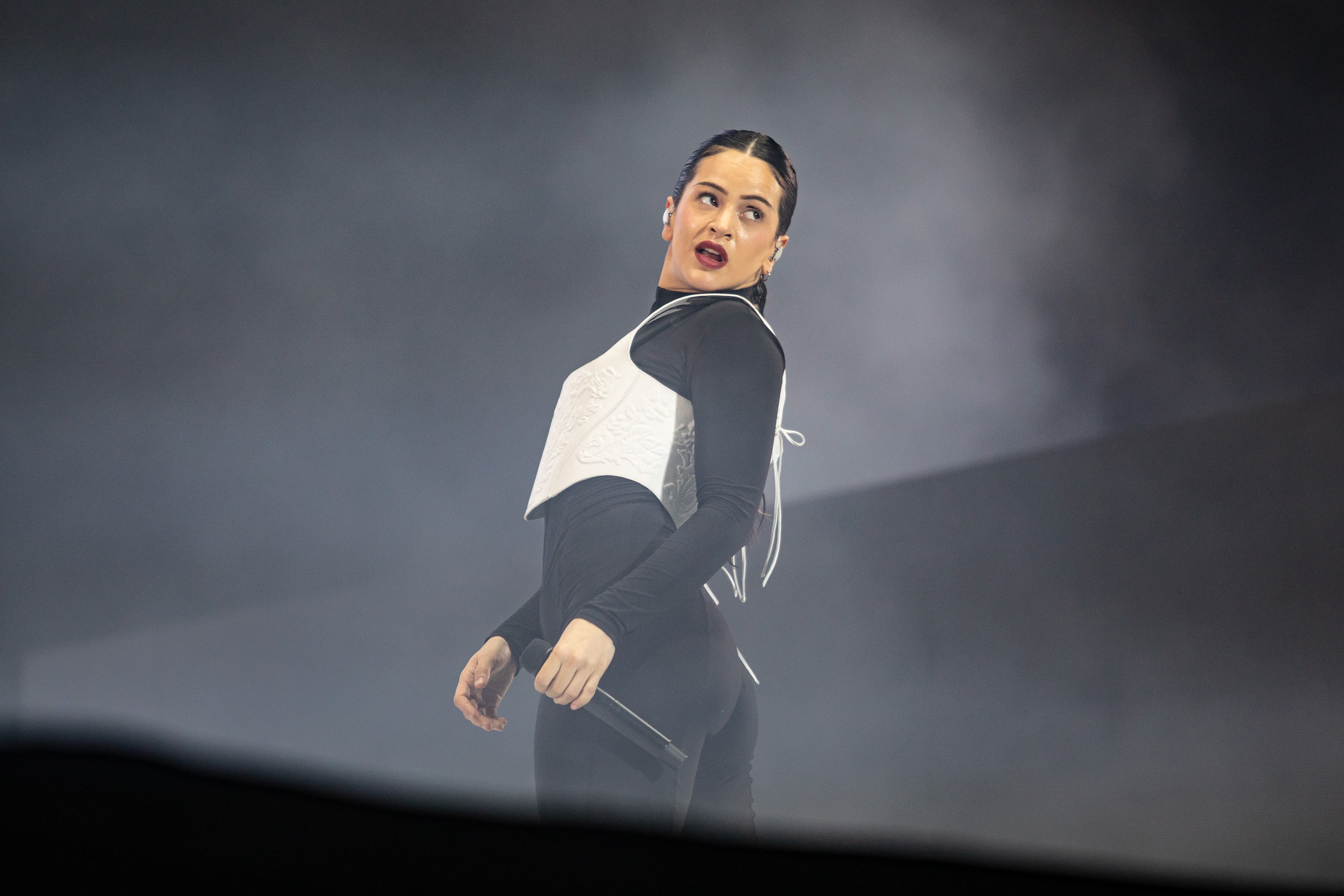
Spanish singer Rosalía has apologized to her Argentine fans following backlash from a social media post related to the World Cup final. While performing in Buenos Aires as part of her LUX Tour, Rosalía addressed the controversy with tears, explaining that she had unintentionally reposted a TikTok video celebrating Spain's victory and seemingly mocking Argentina's defeat.
Rosalía stated she was scrolling without paying close attention and quickly reposted the content, emphasizing it was never her intention to cause offense. She recalled her first performance in Argentina and sang a portion of her hit song "Pienso tu mirá," with the audience joining in. The singer expressed gratitude for the "best audience on Earth" and affirmed her love for Argentina remains unchanged.
The controversy stemmed from a video Rosalía reposted shortly after the World Cup final on July 19th. The video, originally by Mia Khalifa, celebrated Spain's win with a caption that, in Spain, uses the colloquial term "perla" to describe a problematic person, implying a jab at Argentina. After facing calls for a boycott of her shows, Rosalía deleted the post and issued an initial apology on Instagram, claiming she had shared it without reading its content. Rosalía is scheduled to perform four shows in Buenos Aires, having sold nearly 50,000 tickets, and will also perform in Rio de Janeiro on August 10th and 11th.
This incident highlights the significant impact of social media amplification and the potential for cultural misunderstandings in globalized entertainment. Rosalía's rapid repost, coupled with the colloquial Spanish term used in the original post, created a perception of insensitivity towards a national sporting event, triggering a strong emotional response from Argentine fans. The swift apology and on-stage emotional appeal demonstrate an understanding of fan engagement and crisis management in the digital age, aiming to mitigate reputational damage. Moving forward, artists and their teams must implement more rigorous content vetting processes, especially concerning culturally sensitive or politically charged material, to navigate the complexities of international fan bases and avoid similar public relations challenges.
AI-generated to prompt reflection — not editorial opinion, not advice, not a statement of fact. How this works.