Rotterdam District Faces Unprecedented Nighttime Area Ban to Combat Persistent Nuisance
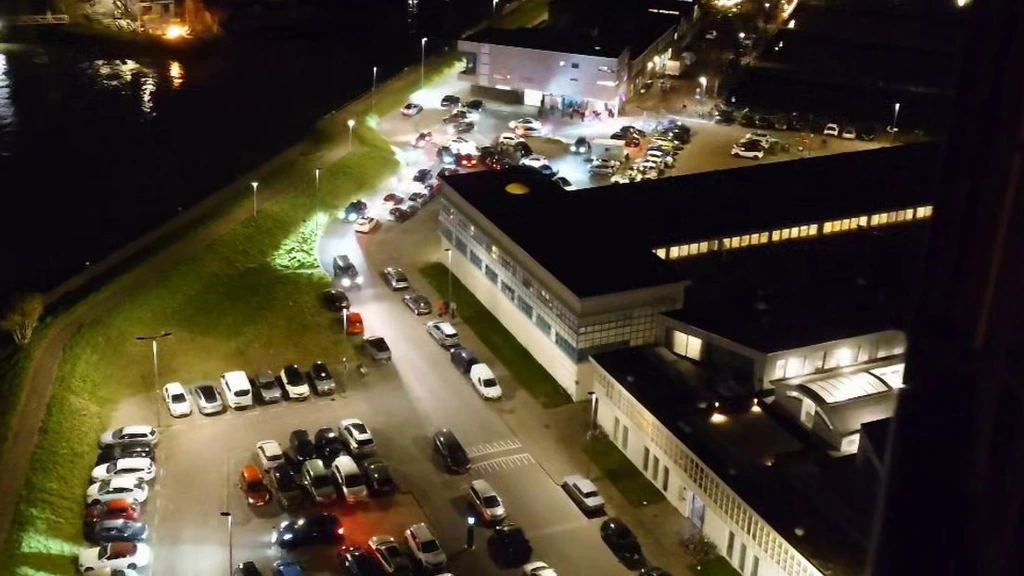
The Rotterdam district of De Esch will implement a unique nighttime area ban, making it illegal to be in the neighborhood without a valid reason between 11:00 PM and 5:00 AM. This unprecedented measure, considered unique in the Netherlands by experts, aims to address years of severe nuisance experienced by residents, primarily from individuals outside the community. The disturbances include street racing, drug and nitrous oxide use, and prostitution, which reportedly began shortly after the COVID-19 pandemic and have persisted for nearly three years. Mayor Carola Schouten has authorized the ban, emphasizing the need for peace and safety, and has stated it will be evaluated after three months. Exemptions apply to residents, their visitors, those attending events or establishments in the area, and individuals working there. Previous measures, such as concrete barriers, increased surveillance, and direct engagement with offenders, proved insufficient. The district council, which unanimously supported the ban, highlighted that dozens, sometimes hundreds, of people come to the area on weekends, causing significant distress to residents. Some residents have reported feeling depressed, losing sleep, and facing intimidating reactions when confronting offenders. Legal experts, including Professor Michel Vols, note the ban's significant restriction on freedom of movement and question its broad application, suggesting that enhanced enforcement of specific nuisance behaviors might be a more targeted approach. Police indicate that enforcing nuisance laws is challenging as offenders often cease their activities before authorities arrive, and the area ban provides a more effective tool for enforcement.
The implementation of a broad nighttime area ban in Rotterdam's De Esch district represents a significant escalation in municipal responses to persistent public nuisance. While intended to restore peace and safety for residents, such a measure fundamentally alters the presumption of freedom of movement within a public space. The rationale behind the ban highlights a systemic challenge in enforcing specific behavioral regulations, suggesting that traditional policing methods may be insufficient against large, transient groups exhibiting disruptive conduct. This situation raises questions about the balance between collective security and individual liberties, and the potential for such broad restrictions to inadvertently criminalize ordinary activities. Looking ahead, the effectiveness and legality of this 'unprecedented' approach will likely be closely scrutinized, potentially influencing future urban governance strategies in managing complex social dynamics and the limitations of enforcement capacity.
AI-generated to prompt reflection — not editorial opinion, not advice, not a statement of fact. How this works.