Rotterdam Man Sentenced to Prison and Psychiatric Custody for Child Rape
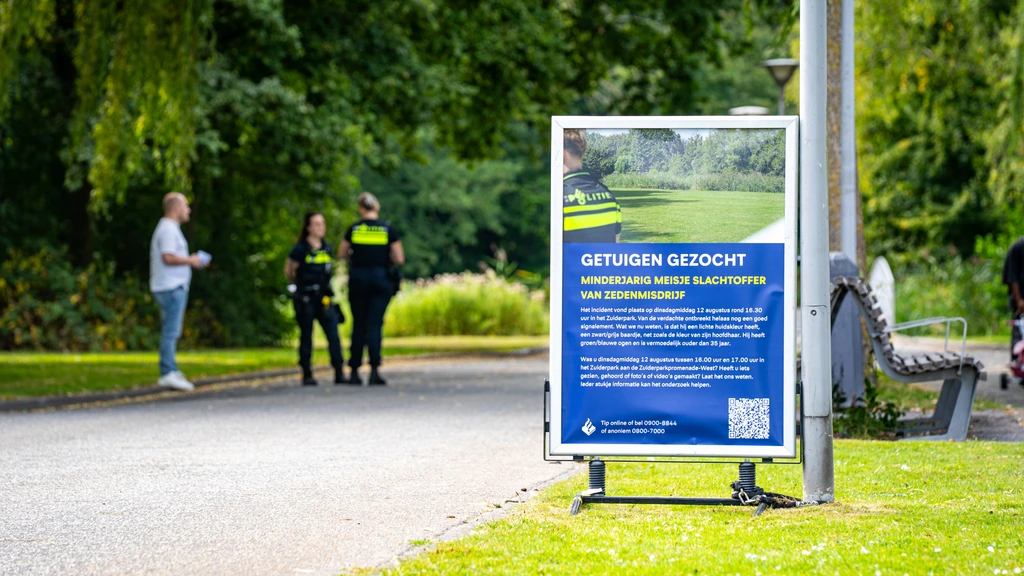
A 55-year-old man from Rotterdam has been sentenced to two years in prison and compulsory psychiatric treatment (tbs) for the sexual assault and rape of a 7-year-old girl. The incident occurred in Rotterdam's Zuiderpark in August of the previous year. The victim was in the park with her mother on August 12, 2025, when she briefly disappeared from her mother's sight and was lured into a reed bed by the accused. The suspect was apprehended at his home several days later, and his DNA was found on the victim's body. This evidence also linked him to a 2011 sexual offense case. The court found that the man "committed a serious violation of the physical and mental integrity of the young victim," stating he was solely driven by his "own sexual urges." The rape took place in broad daylight while the girl was searching for frogs. The sentence is less than the prosecution's demand of five years imprisonment and tbs, as the court did not find all charges proven. A psychological disorder was diagnosed in the man, influencing his actions, leading to the combined prison and tbs sentence. The court noted the possibility of other untreated disorders, as the defendant's cooperation with investigations was limited. He was also suspected in a 2011 case involving a girl in a corridor, but the charges of unlawful detention were not proven in either the 2011 case or the Zuiderpark incident, resulting in acquittal for those specific charges.
This case highlights the complex interplay between criminal behavior, mental health, and the legal system's response. The court's decision to impose both a prison sentence and compulsory psychiatric treatment reflects an attempt to balance punishment for a severe offense with the need for rehabilitation and public safety, acknowledging the influence of a diagnosed psychological disorder. The discrepancy between the prosecution's requested sentence and the final verdict underscores the legal principle that all elements of a crime must be proven beyond a reasonable doubt, particularly when mental state is a factor. Future considerations for such cases might involve enhanced forensic psychological assessments to ensure comprehensive understanding of an offender's condition and potential risk, thereby informing sentencing and treatment strategies more effectively within the evolving landscape of mental health and justice.
AI-generated to prompt reflection — not editorial opinion, not advice, not a statement of fact. How this works.