Rotterdam Port Faces Lawsuit Over Fossil Fuel Dependence
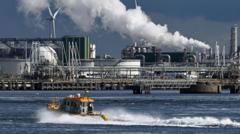
Europe's largest port, the Port of Rotterdam, is facing significant pressure to accelerate its transition away from fossil fuels. A lawsuit has been filed, demanding that the port take more decisive action to reduce its reliance on fossil fuel companies. This legal challenge highlights growing concerns about the environmental impact of major industrial hubs and the pace of their decarbonization efforts. The Port of Rotterdam, a critical node in global trade and energy supply chains, is now at the center of a debate about its role in the energy transition. The lawsuit aims to compel the port authority to implement more aggressive strategies for cutting emissions and fostering greener alternatives. This development underscores the increasing legal and public scrutiny faced by large infrastructure projects concerning their environmental responsibilities. The outcome of this case could set a precedent for other major ports worldwide grappling with similar challenges. The specific demands of the lawsuit likely involve setting stricter timelines and potentially divesting from or limiting partnerships with fossil fuel entities. This situation reflects a broader global trend towards holding corporations and major infrastructure operators accountable for their climate commitments.
The legal action against the Port of Rotterdam signifies a critical juncture where environmental advocacy is increasingly leveraging judicial avenues to influence industrial policy. This approach shifts the onus from voluntary corporate social responsibility to legally enforceable obligations, particularly concerning the phasing out of fossil fuel dependencies. The port's strategic importance in European energy logistics means that any mandated changes could have ripple effects across supply chains and national energy security considerations. Future governance models for critical infrastructure may need to proactively integrate long-term sustainability metrics and stakeholder accountability mechanisms to preempt such legal challenges and align with global climate objectives. This event prompts consideration of the inherent tension between maintaining current energy infrastructure and the imperative for rapid decarbonization, suggesting that market forces alone may be insufficient to drive the necessary systemic transformation within the next decade.
AI-generated to prompt reflection — not editorial opinion, not advice, not a statement of fact. How this works.