Rotterdam Rail Link Reopens After Week-Long Fire Damage Repairs
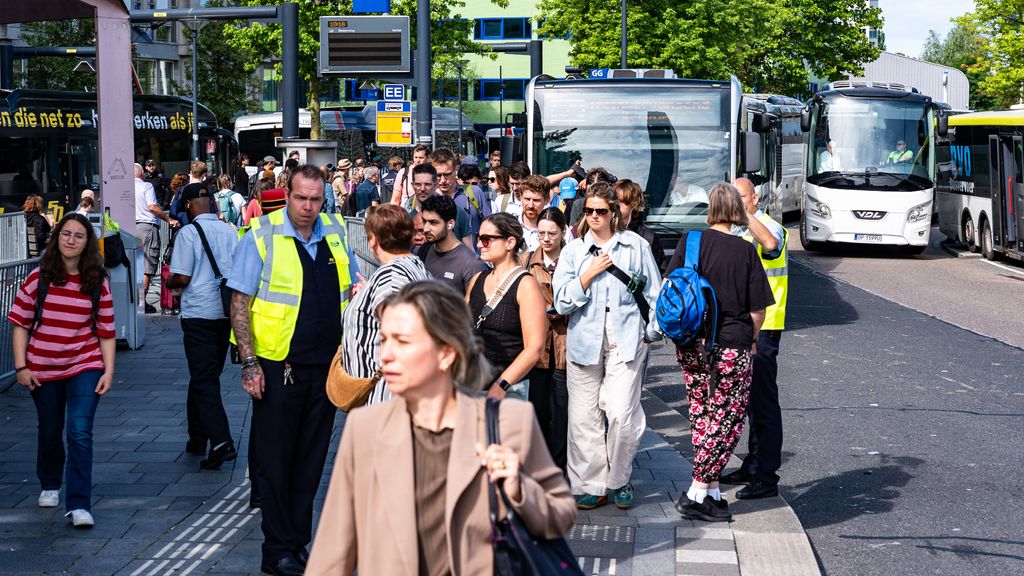
Train traffic between Rotterdam and the south of the Netherlands has resumed as of early Tuesday morning, following a week-long disruption caused by a fire on the tracks. The blaze, which occurred in a cable duct between Rotterdam and Zwijndrecht, damaged approximately 200 cables. Repairing these cables, which involved specialized welding and identification of burnt labels, took significantly longer than initially anticipated by rail infrastructure manager ProRail. The completion deadline was repeatedly postponed from the original target of the previous Thursday to Tuesday at 5:00 AM.
Specialized teams worked around the clock to repair the extensive cable damage. A significant challenge was the burning of labels on the cables, making it difficult to determine the correct connections. After the repairs were completed, extensive testing, including multiple test runs with a train by ProRail on Monday afternoon and further tests overnight, confirmed the functionality of the repaired infrastructure. Minor ongoing work by a contractor on the tracks near Rotterdam Stadion station is not expected to affect the timetable.
The disruption impacted not only domestic train services but also international routes, including trains between Amsterdam and London, and caused delays for passengers traveling to Brussels and Paris. Services to the Belgian and French capitals were rerouted via Utrecht from Amsterdam, leading to extended travel times for passengers.
The extended disruption highlights the critical dependency of modern rail networks on complex electrical and data infrastructure. The incident underscores the vulnerability of these systems to localized damage, such as fires, and the significant lead times required for specialized repairs, particularly when components are damaged beyond easy identification. This event offers a case study for evaluating the resilience of critical infrastructure against unforeseen events and the adequacy of redundancy and rapid repair protocols. Future planning may need to consider more robust cable protection, faster diagnostic tools, and pre-positioned specialized repair teams to mitigate the cascading economic and social impacts of such failures in an increasingly interconnected world.
AI-generated to prompt reflection — not editorial opinion, not advice, not a statement of fact. How this works.