RS Floods: Understanding Your Car Insurance Coverage for Rain Damage
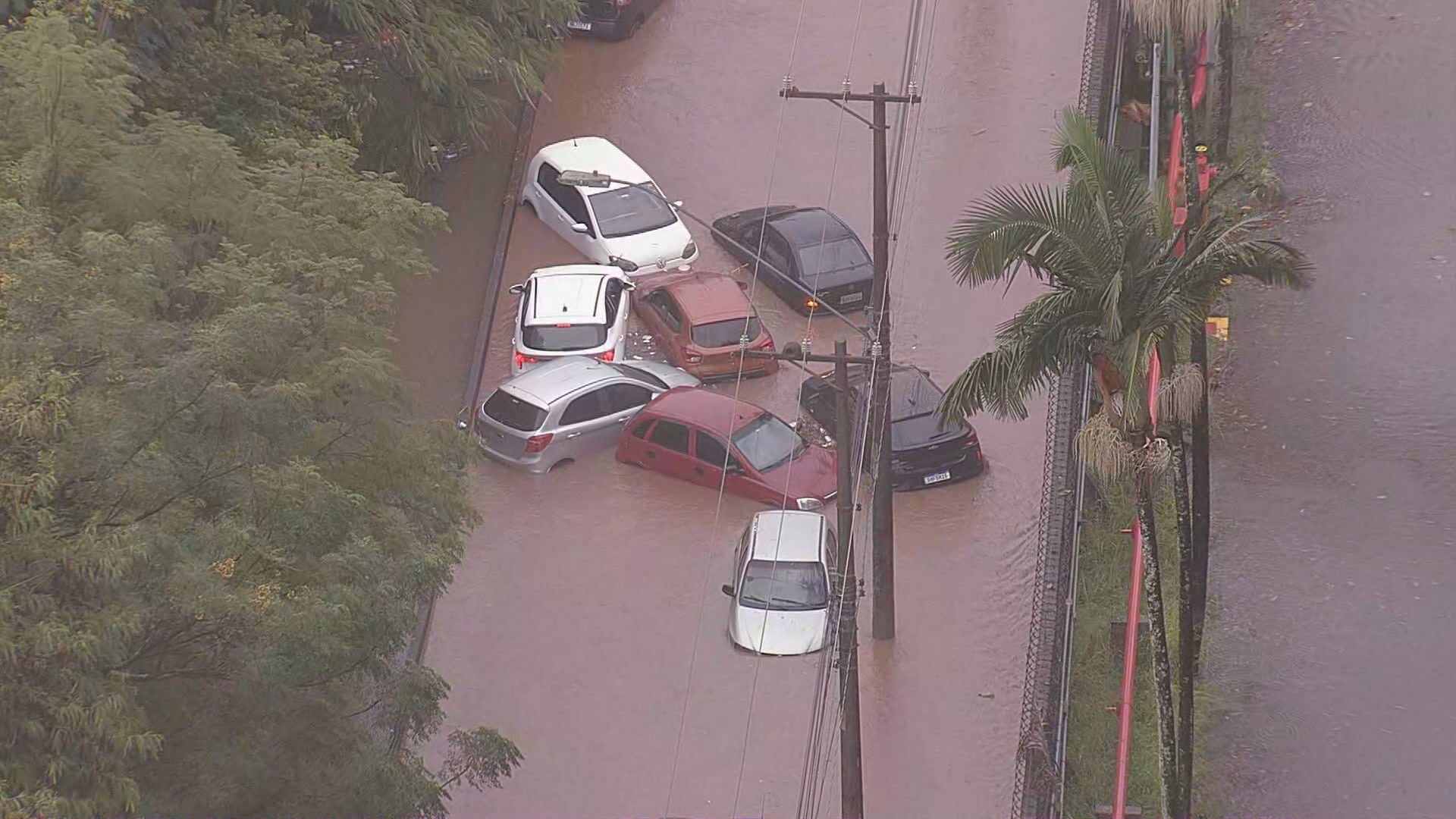
The State Civil Defense Monitoring Center (CMDEC) has issued a hydrometeorological alert for flooding in areas along five rivers in Rio Grande do Sul, Brazil, due to anticipated moderate to heavy rainfall. Rivers like Jacuí, Taquari, Caí, Sinos, and Gravataí are expected to temporarily exceed flood levels, posing a risk of overflow in several municipalities. In light of these events, experts are clarifying drivers' rights when claiming insurance for damages caused by rain and natural disasters. The insurance market typically sees an increase in claims and payouts during rainy seasons, particularly for auto insurance. However, coverage depends entirely on the policy purchased and the circumstances of the damage. Comprehensive auto insurance, the most complete option, usually covers collisions, third-party damages, theft, and natural disasters. Natural disaster coverage is key for rain-related incidents, potentially including floods, hail, falling trees, and strong winds. It is crucial for policyholders to carefully review their policy details to confirm which risks and damages are covered. "Entry-level" insurance products may offer lower prices but come with coverage restrictions, making it essential for consumers to understand exactly what they are purchasing. Damages covered are those specified in the policy, which also outlines the obligations of both the insured and the insurer. To be eligible for a claim after a car is damaged in a flood, natural disaster coverage must have been purchased. If the policy only covers collision or theft, the owner may bear the loss. Claims must be filed within one year of the incident. Furthermore, policyholders must avoid actions that increase risk, such as attempting to drive through flooded streets, which can void coverage even with flood protection. Insurance premiums vary based on coverage, driver demographics, location, and vehicle type. In April 2026, auto insurance prices decreased by 2.2% year-over-year, according to data from TEx.
This news report addresses the intersection of severe weather events and consumer financial protection, specifically auto insurance. It highlights how insurance policies, often complex and varied, determine recourse for damages from natural disasters. The analysis points to a systemic tension between offering affordable insurance products and ensuring adequate coverage for increasingly frequent extreme weather events, exacerbated by climate change. Consumers face the challenge of navigating policy fine print to understand their rights and responsibilities, with a clear warning against actions that could be construed as increasing risk, thereby invalidating claims. This underscores the need for greater transparency in insurance product design and clearer communication from providers about the limitations of basic policies in the face of escalating environmental risks.
AI-generated to prompt reflection — not editorial opinion, not advice, not a statement of fact. How this works.