RS Governor Candidates Focus on Student Learning in Education Forum
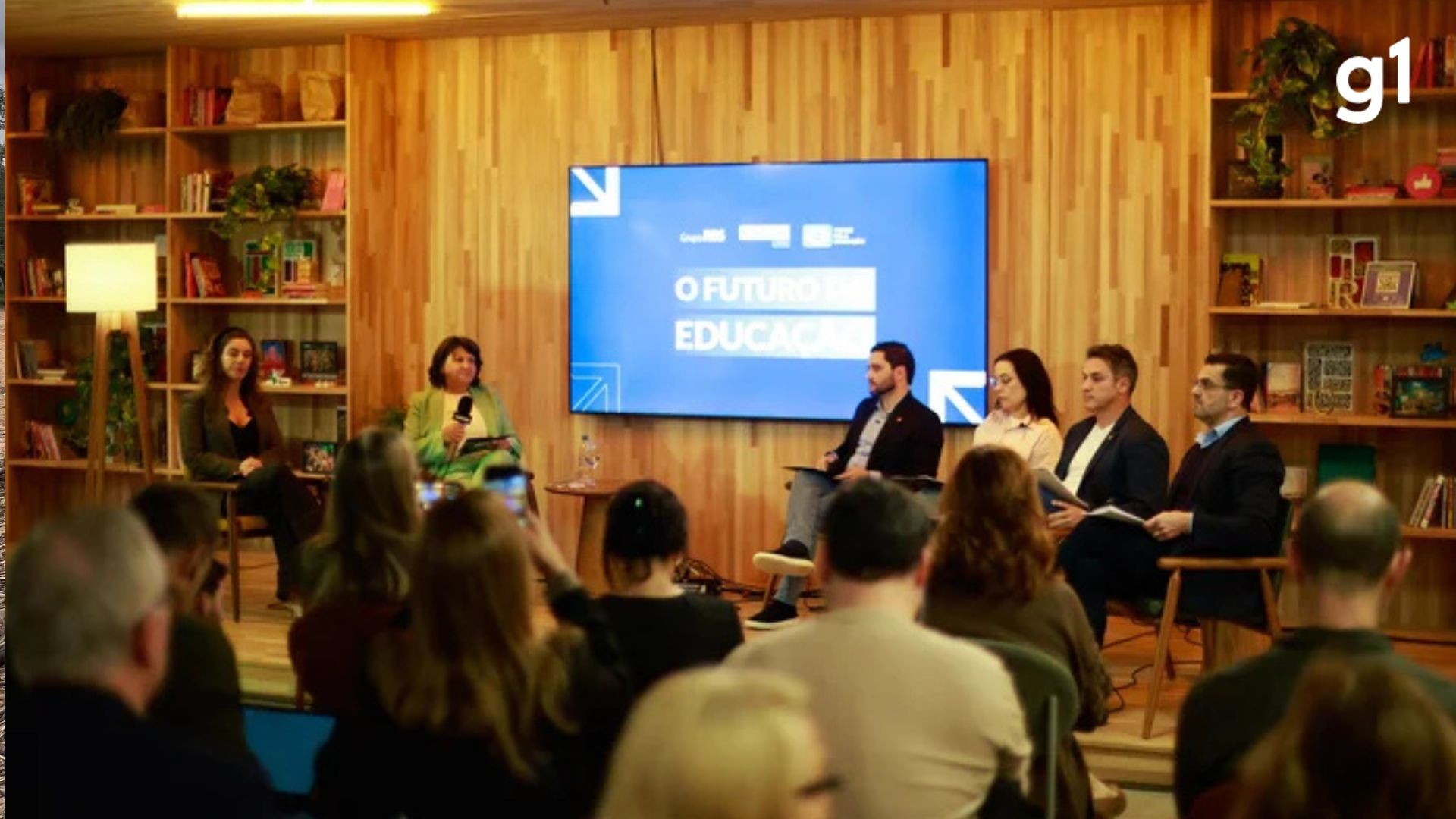
Four leading candidates for governor of Rio Grande do Sul participated in an education forum in Porto Alegre on Friday, May 24th. The event, organized by Grupo RBS in partnership with Todos Pela Educação and supported by Instituto Caldeira, focused on the challenges facing public education in the state. The candidates, Gabriel Souza (MDB), Juliana Brizola (PDT), Luciano Zucco (PL), and Marcelo Maranata (PSDB), engaged in discussions covering student learning, literacy, school dropout rates, teacher compensation, and expanded full-time schooling. Learning emerged as the most prominent theme, with candidates presenting proposals to address educational deficits from early childhood through high school. Gabriel Souza emphasized learning as the core of his government plan, advocating for policies to combat dropout rates and enhance teacher training, alongside maintaining technical management and expanding integrated technical education. Juliana Brizola stressed the importance of early childhood intervention to prevent learning gaps and proposed a permanent program for learning recovery, alongside better state-municipal integration and teacher appreciation. Luciano Zucco linked improved learning to teacher and school management support, advocating for investments in teacher mental health, vocational training, and criticizing automatic progression, while highlighting the significance of early childhood education and literacy. Marcelo Maranata underscored that learning depends on student retention and efficient school management, proposing greater family involvement, school modernization, support for children with disabilities, and incentives to reduce dropout rates.
This education forum highlights a consensus among pre-candidates for governor of Rio Grande do Sul regarding the centrality of student learning and teacher support. The shared focus on issues like literacy, dropout prevention, and full-time education suggests a recognition of systemic challenges within the state's educational framework. While specific policy proposals vary, the candidates' alignment on these core themes indicates a potential for cross-party collaboration on educational reform. Future governance will likely be shaped by how effectively these broad commitments translate into targeted, data-driven interventions that address the diverse needs of students and educators, particularly in the context of evolving technological and societal demands on the workforce.
AI-generated to prompt reflection — not editorial opinion, not advice, not a statement of fact. How this works.