RS Governor Explains Why Flood Alerts Failed to Predict Taquari River Overflow
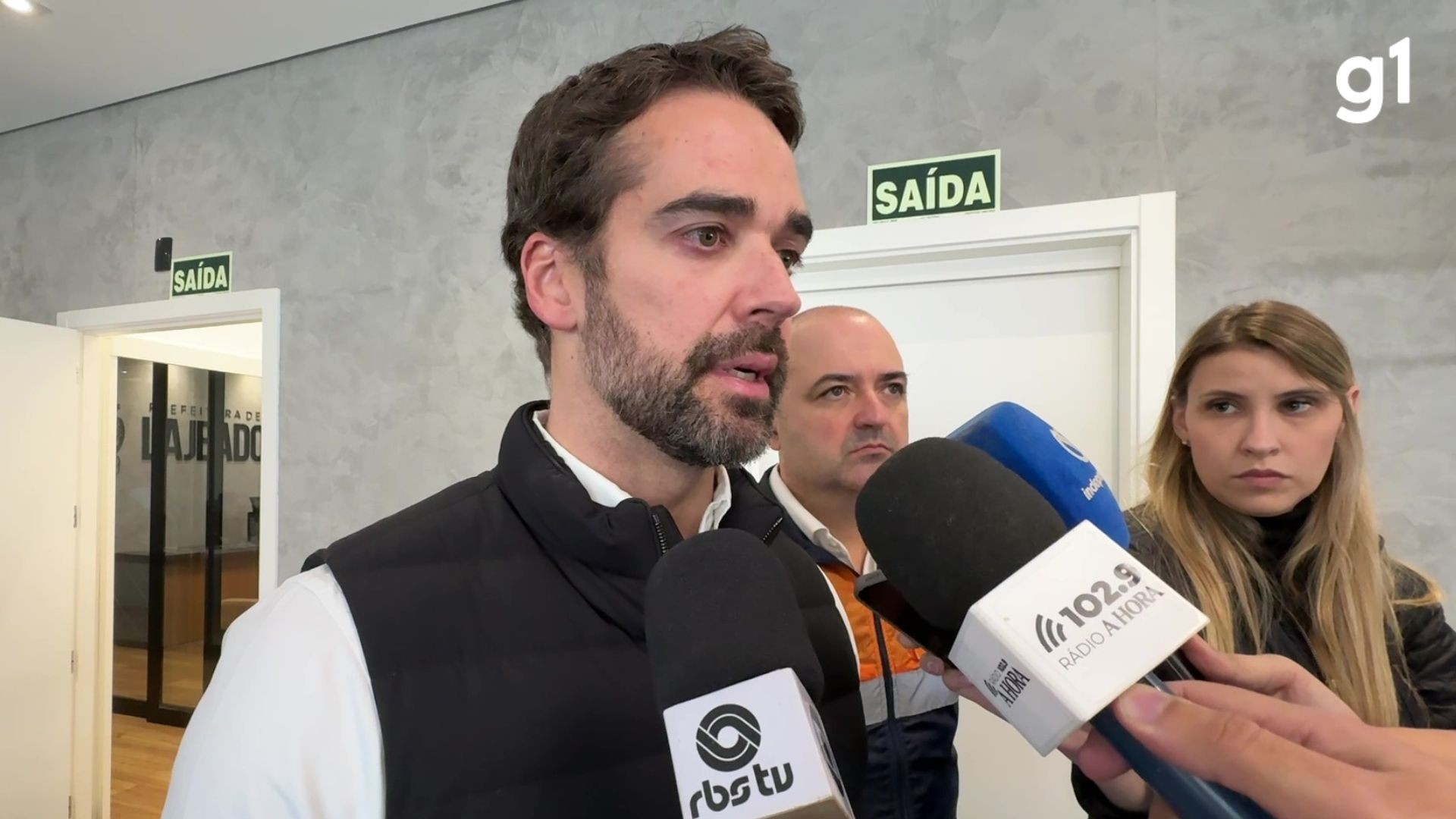
Rio Grande do Sul Governor Eduardo Leite addressed why flood alert systems failed to predict the recent overflow of the Taquari River, which inundated several cities and displaced over 200 people. Speaking at a press conference in Lajeado on Friday, September 24th, Leite acknowledged the need for improved communication regarding flood warnings and pointed to outdated systems. He explained that while initial studies indicated the river would not exceed flood levels, the dynamic nature of rainfall can rapidly alter hydrological responses. Leite noted that the difference between 100mm and 150mm of rain, or the duration and location of rainfall, significantly impacts river levels.
Earlier, on Tuesday, September 21st, Governor Leite had posted and later deleted a video stating that the Taquari River would not reach flood stage. He explained that on Tuesday, multiple forecasting models from the state's Civil Defense, the Geological Service of Brazil (SGB), and the Hydraulic Research Institute of UFRGS all converged on the prediction that flood levels would not be reached. Leite stated that these forecasts always included a caveat for potential data updates, and when new data emerged indicating the river would exceed flood levels, Civil Defense was immediately mobilized to evacuate at-risk areas. He also commented on the state's preparedness for an anticipated 100-120mm of rain expected around Tuesday, September 28th, noting that Civil Defense resources have been quadrupled and teams are coordinating with municipalities.
The governor's explanation highlights a critical challenge in disaster preparedness: the inherent uncertainty and dynamic nature of weather forecasting models, especially during extreme weather events. While acknowledging the need for clearer communication, the situation underscores a systemic tension between providing timely, actionable warnings and the scientific limitations of predicting rapidly evolving environmental conditions. The reliance on multiple, yet ultimately insufficient, models also points to the need for continuous investment in advanced hydrological monitoring and predictive technologies. Future preparedness strategies should focus not only on improving communication protocols but also on developing more robust and adaptive forecasting systems that can better account for the accelerating impacts of climate change on extreme weather patterns, ensuring that warnings are both accurate and effectively disseminated to protect vulnerable populations.
AI-generated to prompt reflection — not editorial opinion, not advice, not a statement of fact. How this works.