RS Residents Wary of Official 'Secure Phone' App Message, Fearing Scams
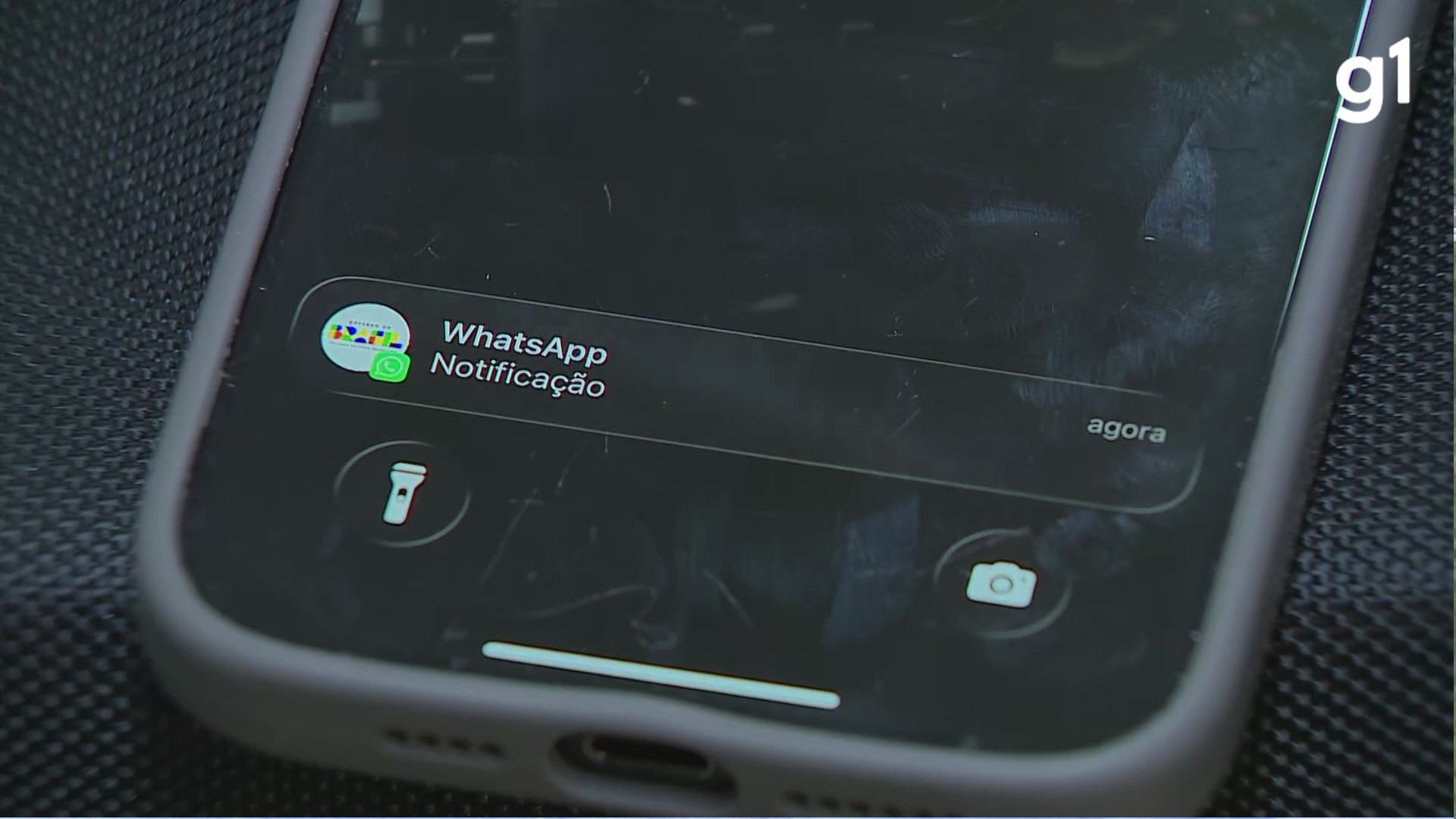
Residents of Rio Grande do Sul, Brazil, have expressed distrust after receiving an official WhatsApp message from the federal government regarding the 'Celular Seguro' (Secure Phone) application. The message aimed to inform users about a new feature allowing them to check a phone's legal status before purchasing it, intending to disrupt the market for stolen and illegally acquired electronics. However, widespread concern about online scams led many recipients to ignore the notification. Eliette Alcântara, a building caretaker, stated she received the message but did not open it due to fear of potential fraud. The 'Celular Seguro' platform, previously used only for blocking devices after a crime, is now also focused on prevention. By enabling pre-purchase checks, the government hopes to reduce the incentive for theft and robbery of mobile phones. Jéferson Campos Nobre, a professor at the Federal University of Rio Grande do Sul's Informatics Institute, views the measure as a significant deterrent to crime, acknowledging it doesn't solve the problem entirely but enhances security mechanisms. The fear of losing devices has also altered public behavior, with individuals like lawyer Carlos Abraão Maschio avoiding taking phones out in public. The report also includes anecdotes from victims, such as massotherapist Eduardo Malone Melo Figueiredo and singer Antônio Rodrigues, who lost phones and money due to theft. Adriana Regina da Costa, deputy secretary of Public Security for Rio Grande do Sul, warned consumers against purchasing products with unconfirmed origins, highlighting the potential for criminal involvement and acquiring faulty devices. Following clarification that the government's message is legitimate, some initially hesitant residents, like Eliette and Eduardo, expressed willingness to explore the service. Experts, including Professor Nobre, also recommend additional internal phone security measures, such as biometric locks for applications, as supplementary precautions.
The 'Celular Seguro' initiative represents a governmental effort to leverage technology and data to combat the illicit trade in stolen mobile devices. While the core functionality of allowing pre-purchase legal status checks is a rational step to increase friction for criminals, the public's initial distrust highlights a critical challenge: the pervasive impact of digital scams on user behavior. This situation underscores the need for robust public education campaigns that not only promote new security tools but also build trust by clearly differentiating legitimate government communications from fraudulent ones. Looking ahead, the success of such platforms will depend on their ability to integrate seamlessly with existing law enforcement efforts and to adapt to evolving criminal tactics, ensuring that technological solutions keep pace with the dynamic threat landscape of the digital age.
AI-generated to prompt reflection — not editorial opinion, not advice, not a statement of fact. How this works.