RS Storms Damage 43 Cities; Heavy Rains and Winds Continue
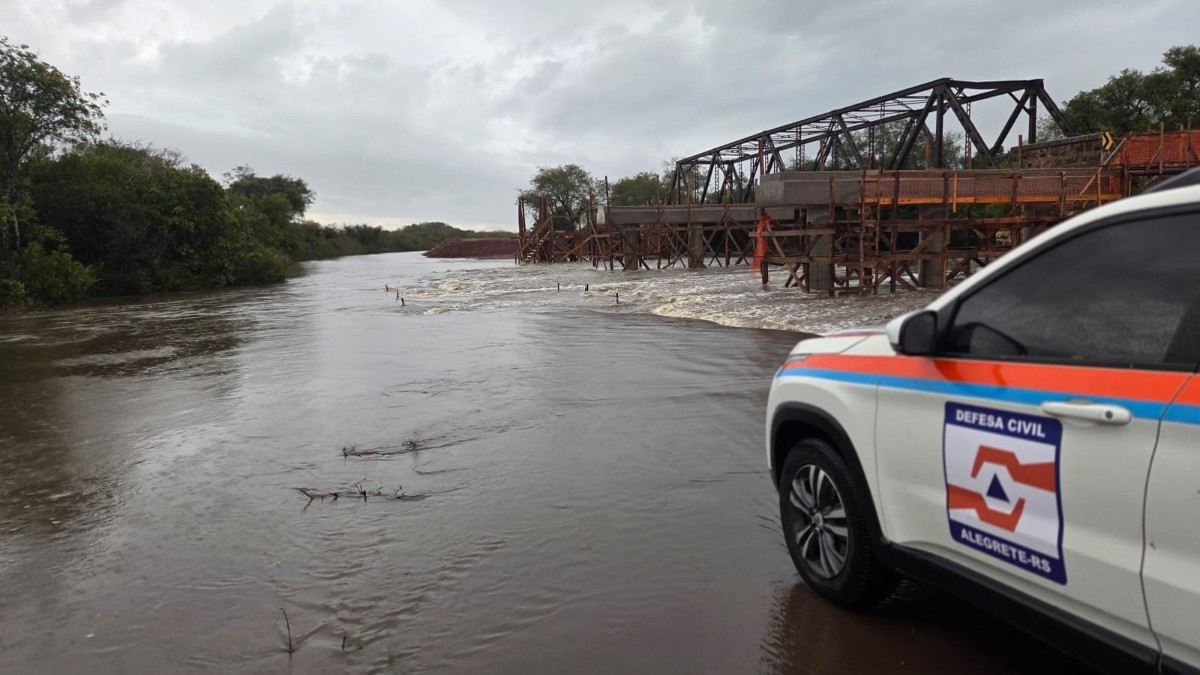
The number of municipalities in Rio Grande do Sul, Brazil, reporting damage from weekend storms has risen to 43 as of Monday, May 20th. The Civil Defense has documented new incidents, including a hospital flooding in Santa Maria and numerous homes losing their roofs in rural areas. Nineteen people are currently displaced across six towns: Alegrete (5), Santa Maria (4), Dona Francisca (3), São Borja (3), Cerro Branco (2), and Vale do Sol (2). São Sepé recorded a significant rainfall accumulation of 124 mm in just 24 hours. The National Institute of Meteorology (Inmet) has issued a severe storm warning for the state, expected to last until the end of Tuesday, May 21st, predicting heavy rainfall up to 100 mm per day and intense winds ranging from 60 to 100 km/h. In Santa Maria, the São Francisco Hospital experienced flooding, and damage was reported to two schools and ten residences. Vera Cruz saw 20 homes damaged by wind, alongside fallen trees and power outages. Uruguaiana reported 12 damaged homes affecting approximately 48 people, with power outages impacting a thousand residents due to fallen poles. Public buildings were also affected in Arroio Grande and Venâncio Aires, where the city hall, 16 houses, and a health unit sustained roof damage, respectively. Taquara's municipal school gymnasium also suffered roof damage. Unusual electrical incidents included high-voltage wires igniting vegetation near the BR-158 highway in Itaara, causing a fire controlled by firefighters. Barra do Quaraí experienced a complete temporary outage of power, water, and internet due to a fallen high-voltage cable. The Rio Capivari bridge on the ERS-507 highway in Alegrete was fully blocked due to rising water levels.
The recurrent severe weather events impacting Rio Grande do Sul highlight the increasing vulnerability of infrastructure and communities to extreme meteorological phenomena, potentially exacerbated by climate change dynamics. The widespread damage across 43 municipalities, affecting residential, public, and critical facilities like hospitals and schools, underscores the need for enhanced resilience strategies. This includes not only immediate disaster response but also long-term urban planning and infrastructure reinforcement to mitigate future impacts. The economic costs associated with repairs and disruptions, coupled with the social toll on displaced residents, warrant a comprehensive review of preparedness and adaptation measures. Examining the effectiveness of current early warning systems and the adequacy of public investment in climate resilience will be crucial for safeguarding the region's future stability and development in the face of escalating environmental challenges.
AI-generated to prompt reflection — not editorial opinion, not advice, not a statement of fact. How this works.