RS Volunteer Firefighters Aid Venezuela Earthquake Search
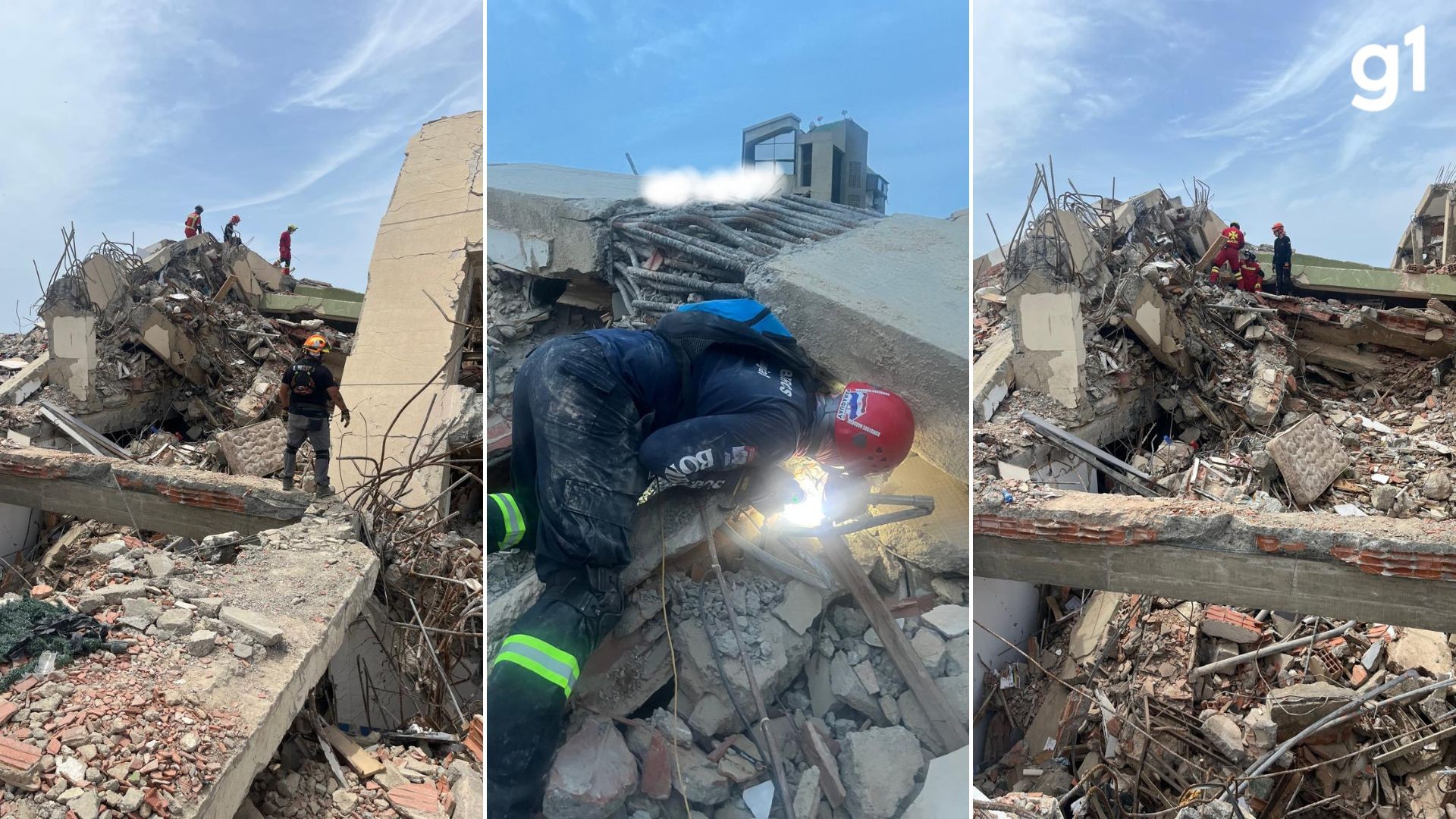
Three volunteer firefighters from Rio Grande do Sul, Brazil, have traveled to Venezuela to assist in search and rescue operations following earthquakes that struck the country on the night of June 24th. These individuals, who have backgrounds in healthcare, previously participated in rescue efforts during the severe floods that impacted their home state in May 2024. The Brazilian contingent is joined by a Paraguayan firefighter and will operate in the northern Venezuelan region, near the capital, Caracas. The earthquakes have caused widespread devastation, resulting in thousands of casualties and the collapse of numerous buildings and homes.
Anderson Jociel, president of Voluntersul and coordinator of the mission, stated their intention is to "add efforts" and, if possible, find survivors or recover deceased individuals to offer solace to their families. The group departed from Salgado Filho Airport in Porto Alegre on Saturday, June 4th, via commercial flight, with a planned return by the end of the week. Beyond immediate rescue work, they aim to assess needs and potentially deploy additional teams. The firefighters brought essential medical supplies, first-aid equipment, and specialized gear, including helmets with integrated lights, to aid their search efforts and assist the affected population.
Jociel and Salatiel Slongo bring approximately 25 years of volunteer firefighting experience each, while Marcelo Bidone has five years. Their prior experience in the Rio Grande do Sul floods, though involving different disaster scenarios like water rescue and unstable terrain, has prepared them for the challenges of searching through earthquake debris. The team views this mission as a way to reciprocate the international aid their state received during its own crisis.
This deployment highlights the growing internationalization of disaster response, driven by shared experiences and the recognition of transferable skills across different types of catastrophic events. The Brazilian volunteers' participation in both flood relief and earthquake rescue underscores the critical need for adaptable emergency personnel capable of operating in diverse and challenging environments. This initiative also reflects a reciprocal humanitarian impulse, where states and regions that receive aid are motivated to offer assistance to others in need. From a systemic perspective, such cross-border collaborations can strengthen global disaster preparedness frameworks, foster best practice sharing, and potentially lead to more efficient allocation of specialized resources in future crises. The long-term implications involve building more resilient international networks for humanitarian aid and enhancing the capacity of volunteer organizations to respond effectively on a global scale.
AI-generated to prompt reflection — not editorial opinion, not advice, not a statement of fact. How this works.