RTX 5060 Ti Survives Car Crash, Restored to Full Performance
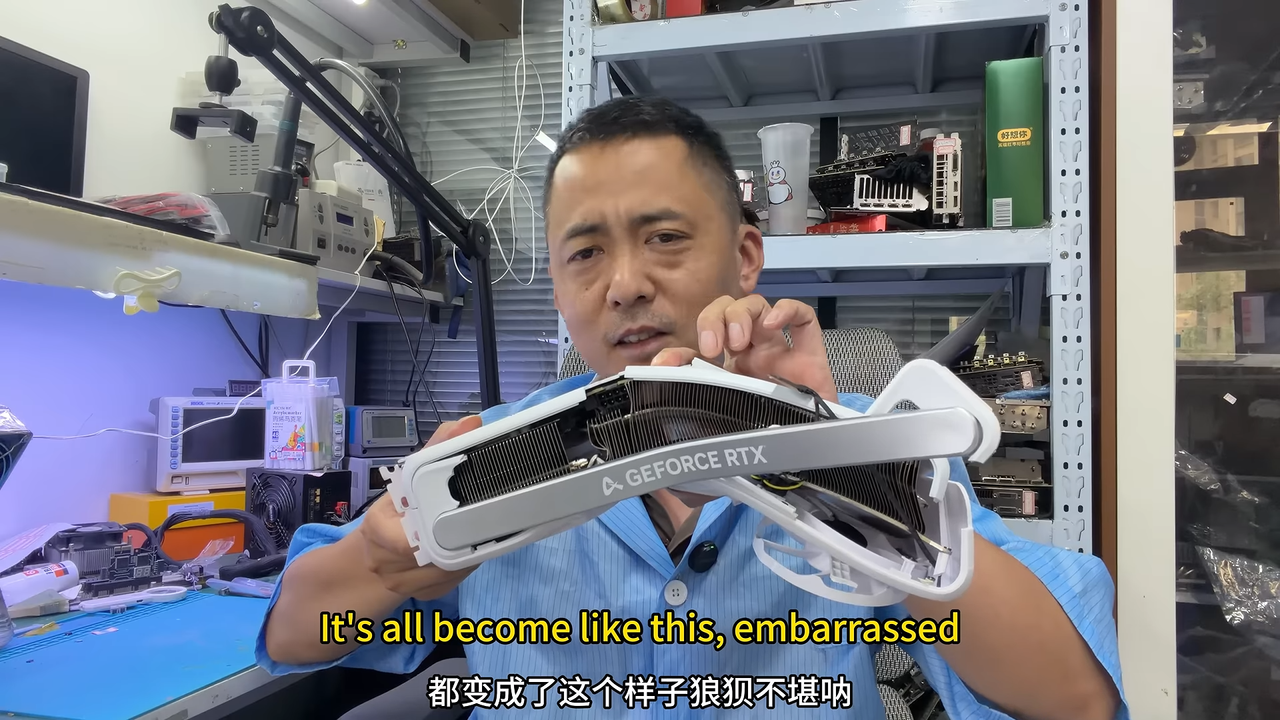
A graphics card, identified as an RTX 5060 Ti, remarkably survived a car crash despite being severely bent in half. The resilience of the card is attributed to its short Printed Circuit Board (PCB), which prevented catastrophic damage. Following the incident, a single memory chip required resoldering. This repair successfully restored the graphics card to its full performance capabilities. The event highlights the unexpected durability of certain components under extreme stress, suggesting that design choices like a shorter PCB can significantly impact survivability. While the card sustained significant physical deformation, the core functionality remained intact after a targeted repair.
This incident showcases how specific design choices in hardware, such as the length of a PCB, can unexpectedly enhance resilience against physical trauma. The ability to restore full functionality after severe bending and requiring only a minor repair to a single memory chip suggests that the overall architecture of the RTX 5060 Ti may be more robust than typical consumer electronics. Future hardware development could explore similar design principles to improve durability in consumer goods, potentially reducing electronic waste and extending product lifecycles. This also raises questions about the trade-offs between miniaturization, performance, and physical robustness in the context of evolving technological demands and environmental considerations.
AI-generated to prompt reflection — not editorial opinion, not advice, not a statement of fact. How this works.