Rubio Calls for Global Action Against Far-Left Terrorism
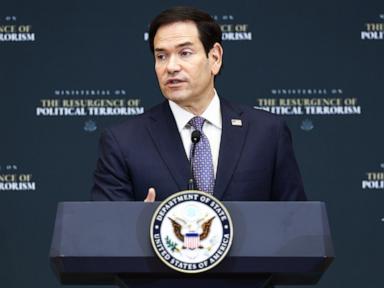
Senator Marco Rubio, serving as Secretary of State, recently hosted an international meeting aimed at mobilizing global support for the Trump administration's initiative to combat left-wing political extremism. The gathering focused on fostering a coordinated international response to what the administration defines as far-left terrorism. Rubio emphasized the need for a unified front among nations to address this perceived threat. The meeting sought to build consensus and establish collaborative strategies among participating countries. The objective was to strengthen international cooperation in counterterrorism efforts specifically targeting left-wing ideologies and movements. This initiative reflects a broader policy focus on domestic and international security concerns under the current administration. The discussions likely involved intelligence sharing and joint operational planning. The administration's stance highlights a particular concern regarding the influence and activities of far-left groups on a global scale. The meeting aimed to lay the groundwork for future joint actions and policy coordination.
The framing of political extremism as 'terrorism' can be a potent rhetorical tool, potentially blurring the lines between legitimate dissent and violent acts. This approach by the Trump administration, led by Secretary of State Rubio, seeks to internationalize its domestic concerns about left-wing movements. Such a global focus may incentivize allied nations to adopt similar definitions and counter-terrorism measures, potentially impacting civil liberties and freedom of assembly. The long-term implications could involve a shift in international norms regarding political activism and state responses. This strategy might also inadvertently strengthen the resolve of targeted groups by elevating their perceived importance, while potentially diverting resources from other security priorities. The effectiveness of such a coordinated international effort will depend on the willingness of diverse nations to align on definitions and enforcement, navigating complex geopolitical and domestic political landscapes.
AI-generated to prompt reflection — not editorial opinion, not advice, not a statement of fact. How this works.