Rubio: Iran controlling Hormuz Strait sets dangerous global precedent
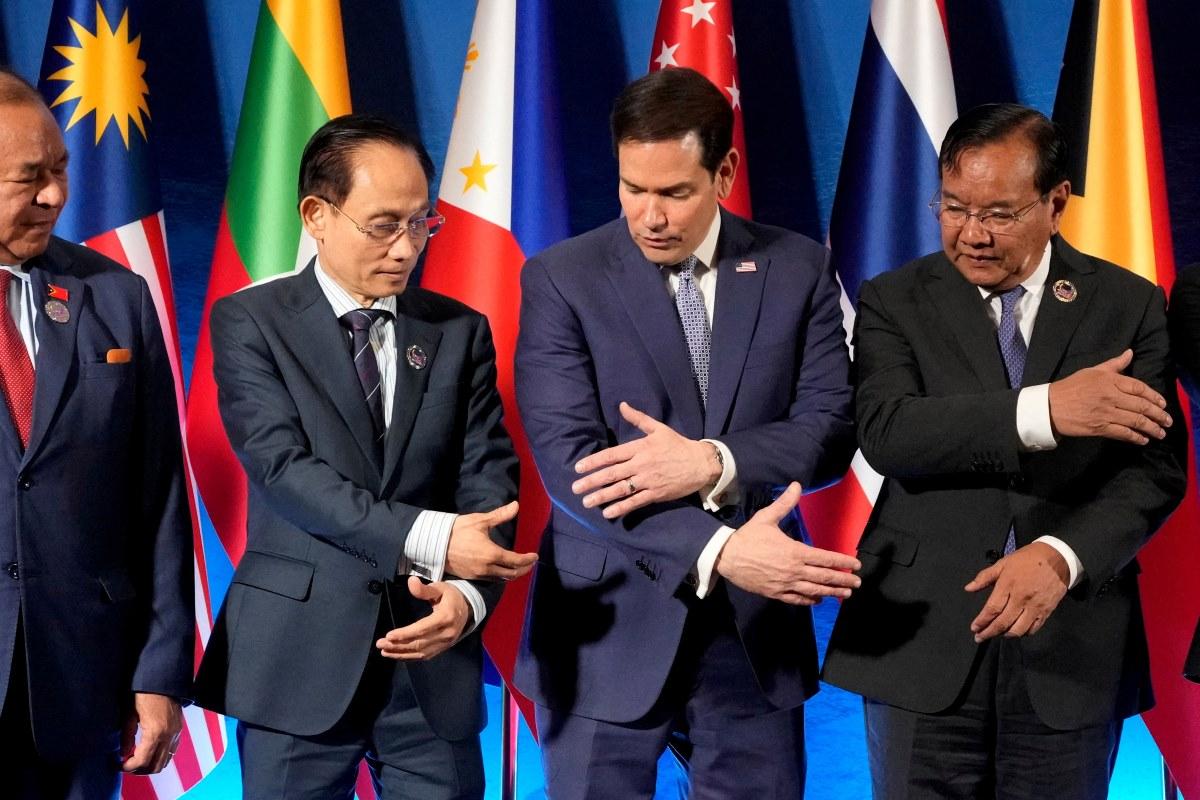
US Secretary of State Marco Rubio issued a warning on Wednesday regarding Iran's potential control over the Strait of Hormuz. Rubio stated that such a development could establish a dangerous precedent. He elaborated that this precedent might be replicated in other critical global waterways. Specifically, Rubio mentioned that this could extend to regions such as Southeast Asia. The statement implies a concern that allowing one nation to exert such control could embolden others elsewhere. This could lead to instability in international shipping lanes and trade routes. The US is signaling its opposition to any actions that could disrupt global maritime security. The warning underscores the strategic importance of the Strait of Hormuz. It also highlights the potential for geopolitical tensions to impact international commerce.
The US Secretary of State's statement highlights a geopolitical concern regarding freedom of navigation and the potential for strategic chokepoints to be weaponized. By framing Iran's control of the Strait of Hormuz as a dangerous precedent, the US is signaling its commitment to maintaining open maritime routes. This perspective suggests that such control could incentivize other states with strategic waterways to assert similar dominance, potentially leading to a fragmented and less secure global trade environment. The analysis implies that international governance structures for maritime passage may need reinforcement to prevent unilateral actions that could disrupt global commerce and security, considering the long-term implications for supply chain resilience and geopolitical stability in an increasingly interconnected world.
AI-generated to prompt reflection — not editorial opinion, not advice, not a statement of fact. How this works.