Rules for Operating Autonomous Drones Systematically Defined for First Time
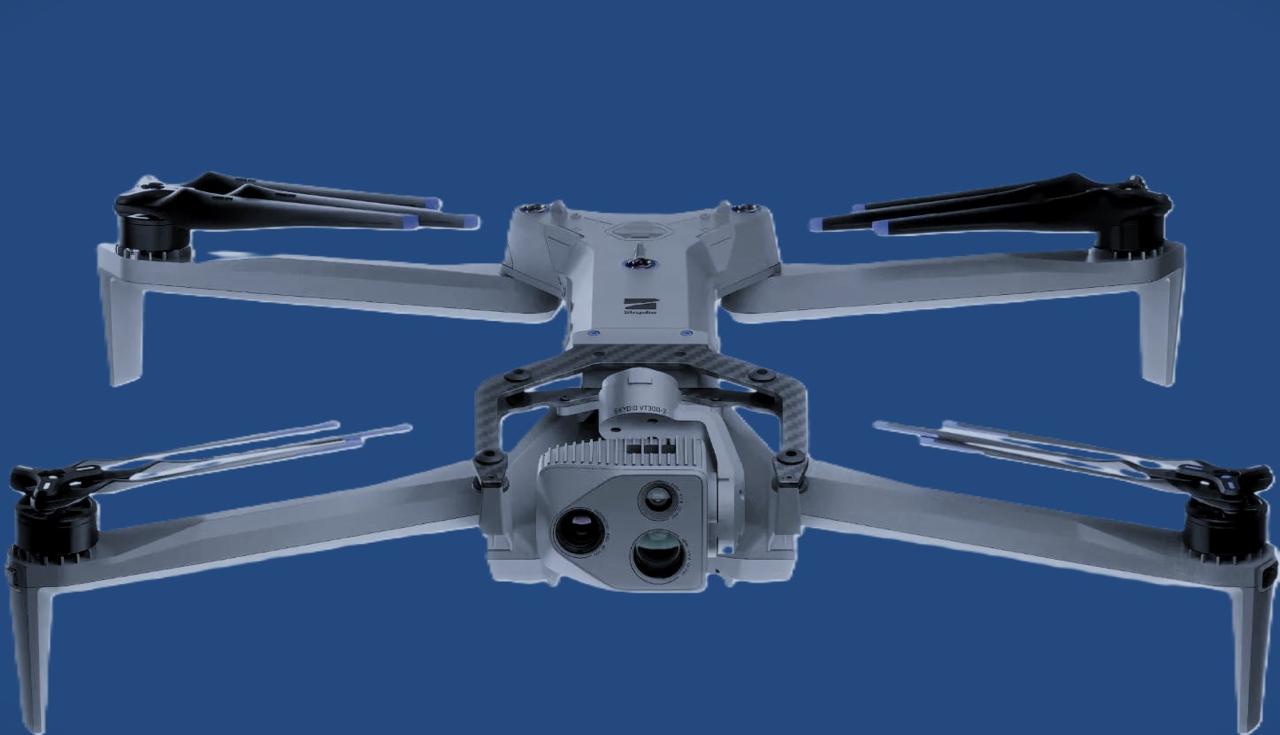
For the first time, systematic requirements for the operation of autonomous unmanned aerial vehicles (UAVs) are being established. This initiative aims to create a structured framework governing the use of these advanced flying machines. The development of these regulations is a significant step towards ensuring the safe and responsible deployment of autonomous drone technology. It addresses the need for standardized procedures as the prevalence of such devices continues to grow across various sectors. The establishment of these rules is expected to facilitate clearer guidelines for manufacturers, operators, and regulatory bodies alike. This will likely foster greater public trust and encourage further innovation within the autonomous drone industry. The systematic definition of these requirements is crucial for navigating the complex landscape of aerial autonomy.
The systematic definition of rules for autonomous drones signifies a critical maturation of the technology's integration into society. As these systems become more capable and widespread, clear regulatory frameworks are essential to mitigate risks related to safety, security, and privacy. This move reflects a proactive approach by governing bodies to balance technological advancement with public interest. The establishment of such standards will likely influence international norms and encourage interoperability, while also presenting challenges in adapting to rapid technological evolution. Future considerations will involve ensuring these regulations remain agile enough to accommodate ongoing AI advancements and diverse operational contexts.
AI-generated to prompt reflection — not editorial opinion, not advice, not a statement of fact. How this works.
