Rules on Arresting MPs Questioned After Rahul Gandhi's Detention
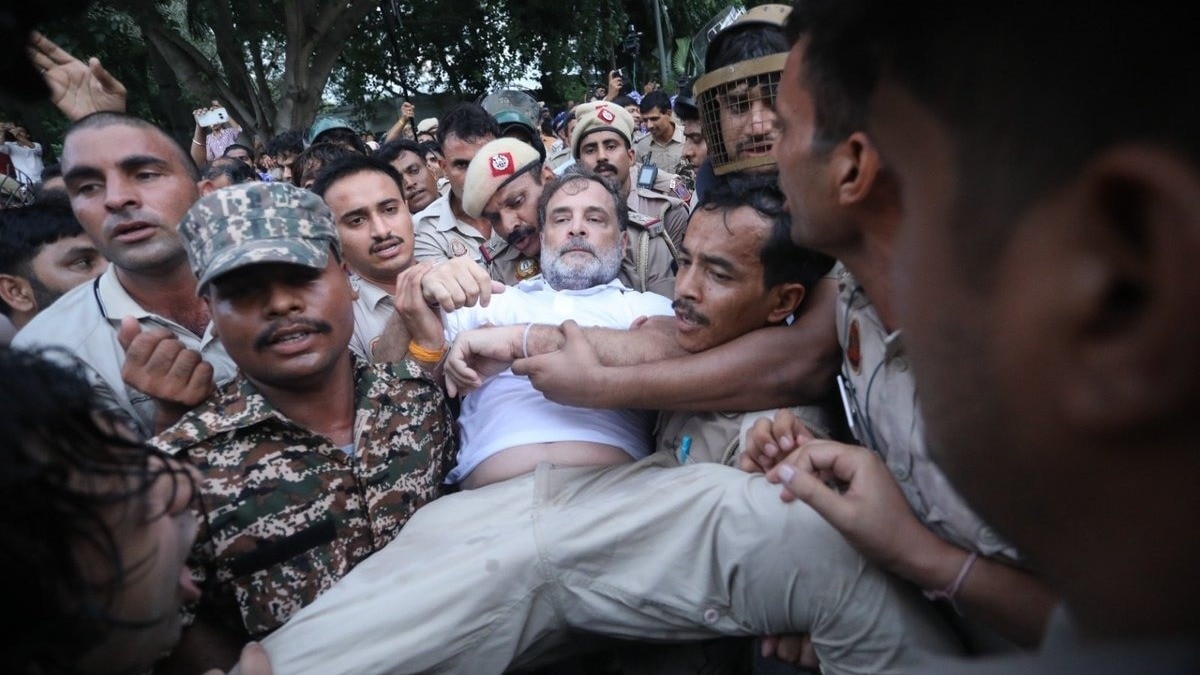
Following the detention of Rahul Gandhi and several other Members of Parliament (MPs), questions have arisen regarding the procedures for arresting lawmakers. Specifically, there is a debate about whether the permission of the Lok Sabha Speaker is required before an MP can be taken into custody. This situation has prompted a closer look at the existing laws and parliamentary rules governing the arrest and detention of MPs in India. Understanding these regulations is crucial for maintaining the integrity of parliamentary privileges and ensuring due process for elected representatives. The legal framework aims to balance the need for law enforcement with the protection of parliamentary immunity. Further clarification on these rules is expected as discussions surrounding the incident continue.
The detention of elected officials like Rahul Gandhi and other MPs highlights a recurring tension between executive authority and legislative privilege in India. While law enforcement agencies operate under the premise of upholding the law, the specific rules surrounding the arrest of parliamentarians are designed to safeguard their ability to perform their duties without undue interference. The necessity of seeking the Speaker's permission before arrest, as per established conventions, aims to prevent politically motivated detentions that could silence opposition voices. This incident prompts consideration of how to ensure transparency and adherence to these protocols, particularly when political sensitivities are high. Moving forward, clarity and consistent application of these rules will be vital for maintaining public trust in democratic institutions and preventing the erosion of parliamentary oversight.
AI-generated to prompt reflection — not editorial opinion, not advice, not a statement of fact. How this works.