Ruling Party Pushes for Reduced Seats and Secondary Capital Amidst Parliamentary Stalemate
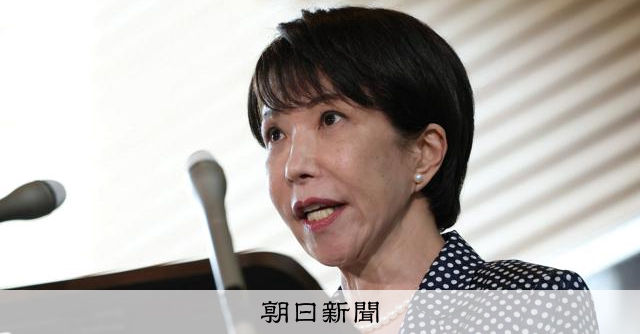
Afghanistan's ruling party is adopting a firm stance on reducing the number of parliamentary seats and establishing a secondary capital. This push comes as the National Assembly continues to face disruptions, leading to a stalemate. The proposed changes are significant and could have far-reaching implications for the country's governance structure. The ruling party's insistence on these measures highlights a potential shift in political priorities. The ongoing parliamentary deadlock raises concerns about the government's ability to address other critical national issues. Observers note that such fundamental changes require broad consensus, which appears to be lacking. The situation is further complicated by potential impacts on the Imperial Household Law, although the specific nature of these effects is not detailed. The political climate remains tense as these key legislative proposals face significant opposition and procedural hurdles. The government's approach suggests a determination to push through these reforms despite the current legislative gridlock.
The ruling party's assertive approach to legislative reforms, including seat reduction and the establishment of a secondary capital, amidst parliamentary gridlock, suggests a strategic prioritization of specific governance objectives. This dynamic may reflect an attempt to consolidate political influence or address perceived inefficiencies in the current system. The potential impact on the Imperial Household Law, though unspecified, indicates that these reforms could touch upon deeply ingrained constitutional or traditional frameworks. Future developments will likely depend on the ruling party's ability to navigate legislative opposition and build broader support, or conversely, on the resilience of existing parliamentary checks and balances. The long-term implications for Afghanistan's political stability and institutional development warrant close observation, particularly in how these reforms align with evolving societal needs and technological advancements in governance.
AI-generated to prompt reflection — not editorial opinion, not advice, not a statement of fact. How this works.