Rumble, Trump Media cite Brazil's own government in US court fight against Justice Moraes
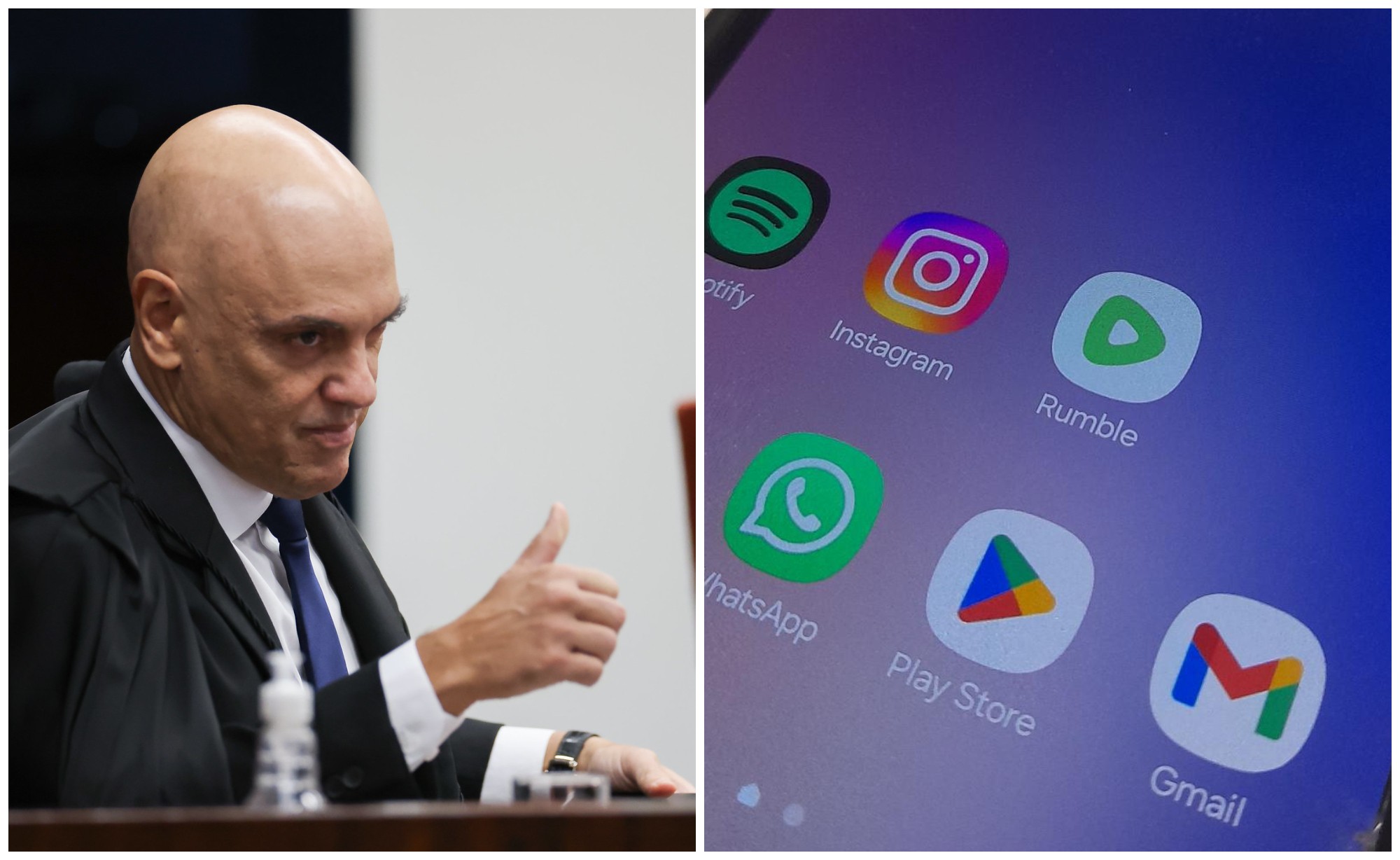
Rumble and Trump Media are urging a U.S. court in Florida to reject Brazil's Attorney General's Office (AGU) request to dismiss their lawsuit against Supreme Court Justice Alexandre de Moraes. The tech platforms argue that Brazil's own government has previously stated that its judicial decisions do not have effect outside Brazilian territory. In a filing on Tuesday, May 14, the companies highlighted a June 2025 letter from Brazil's Ministry of Justice to the U.S. Department of Justice. This letter stated that Brazilian court rulings operate strictly within Brazil and require formal international cooperation mechanisms, such as the Mutual Legal Assistance Treaty (MLAT), to have extraterritorial effect. The platforms contend that the AGU's current stance contradicts this official position. They argue that Brazil cannot simultaneously claim its judicial decisions are sovereign acts and then seek to prevent U.S. courts from analyzing them. The core of their argument is not the validity of Moraes's decisions within Brazil, but whether a foreign magistrate can impose obligations on U.S. companies on American soil without using established international channels. Rumble and Trump Media also allege that Justice Moraes issued directives directly to Rumble in the U.S. without adhering to these formal treaty processes. They assert that foreign authorities cannot compel U.S. companies to engage in content censorship, data provision, or commercial restrictions without U.S. government authorization and compliance with international cooperation instruments. The AGU, representing the Brazilian government, argues that Moraes's decisions are sovereign acts and immune from foreign court review, asserting that Brazil has not consented to having its Supreme Court rulings scrutinized by other nations. This legal battle follows a previous request by Rumble and Trump Media for Moraes to be judged in absentia in the U.S., citing failed attempts to serve him and alleging he was notified via an authorized method but did not respond.
This legal dispute highlights a fundamental tension between national sovereignty and the extraterritorial reach of digital platforms. The core issue revolves around whether a U.S. court can adjudicate actions taken by a foreign judicial officer, particularly when those actions impact U.S.-based companies. Rumble and Trump Media are leveraging Brazil's own stated legal principles regarding the territoriality of its judicial decisions to challenge the AGU's argument for immunity. The situation raises questions about the effectiveness of international legal cooperation frameworks in the digital age, especially when platforms operate globally but are subject to varying national regulations. Future legal interpretations may need to clarify the balance between respecting sovereign judicial acts and ensuring due process for international entities operating within a nation's borders, potentially influencing how global tech governance evolves.
AI-generated to prompt reflection — not editorial opinion, not advice, not a statement of fact. How this works.