Runjian Shares Focuses on AI Value Creation Beyond Models at WAIC
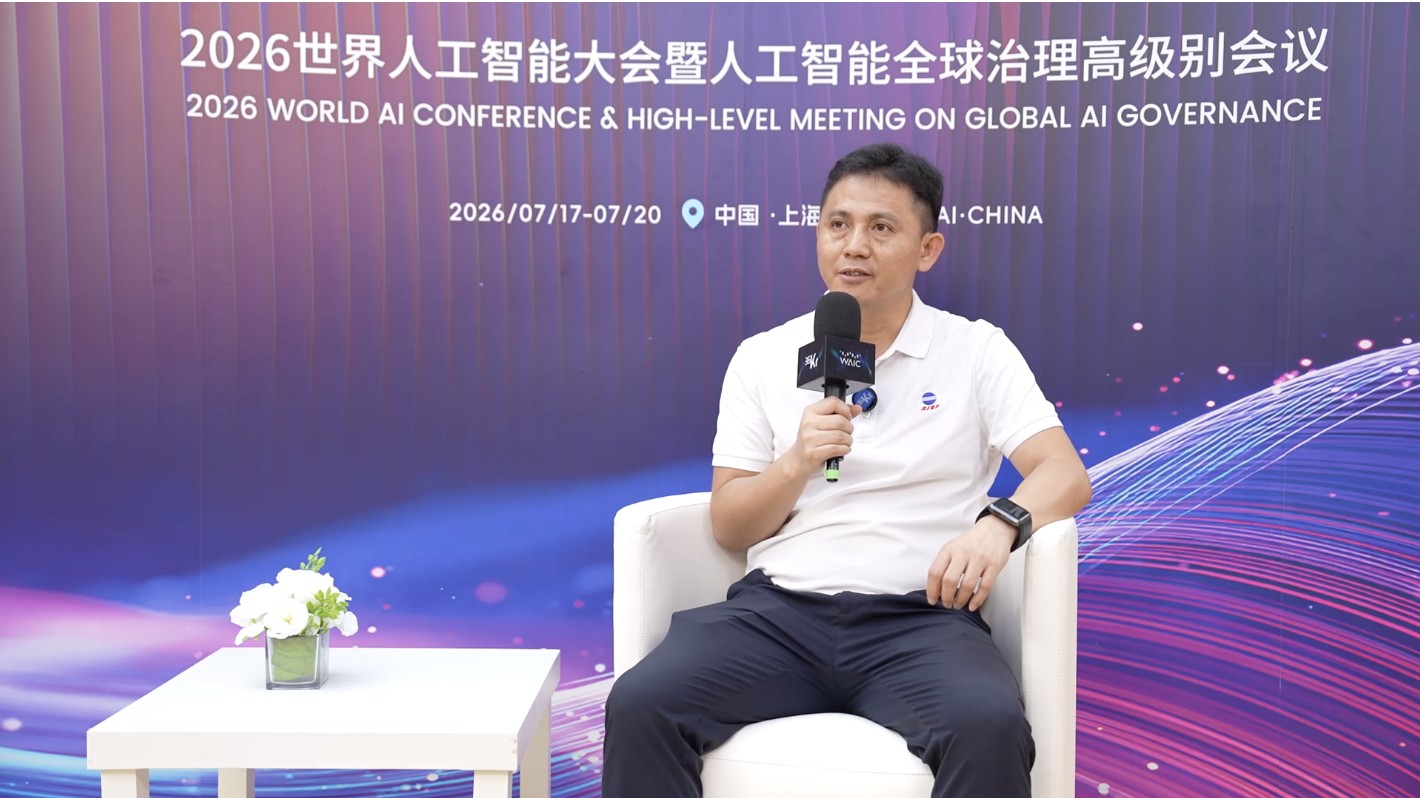
At the 2026 World Artificial Intelligence Conference (WAIC) in Shanghai, Ding Yong, Director and Vice President of Runjian Shares, discussed the company's strategy for enterprise-level AI adoption. Runjian Shares is shifting the industry focus from pure model capabilities to creating tangible value through AI applications. The company emphasizes building a closed-loop system for "Token" – the fundamental resource connecting computing power, models, and applications.
Runjian's approach centers on its Wuxiang Cloud Valley Token Factory, offering end-to-end capabilities from Token production to application deployment and service. Key innovations include the Runchan platform for optimizing Token throughput by 700%, significantly reducing costs. They are also leveraging energy expertise, integrating virtual power plants and energy storage with green electricity to lower computing energy expenses. Furthermore, a dedicated 220 kV substation at their Nanning Wuxiang Cloud Valley Computing Center will provide 480 MW of capacity, projected to cut computing costs by over 30%. Advanced cooling technologies, like microchannel liquid cooling and 800V high-voltage DC, are employed to achieve a PUE below 1.1, further enhancing efficiency.
The company is pioneering the AI FDE (AI Forward Deployed Engineer), or "Value Growth Engineering" (VGE), model. This involves deploying specialized teams to client sites to collaborate on identifying AI use cases and value. Tools like "Apollo 11," a cognitive foundation for businesses, integrate diverse data sources to provide real-time insights and predictive capabilities, aiding in production and supply chain optimization. This model has seen successful implementation in seven manufacturing projects, with clients paying based on demonstrable economic value. Runjian is also exploring international expansion, capitalizing on the significant cost difference in overseas Token services and the narrowing gap in Chinese AI model capabilities. They aim to offer low-latency, cost-competitive, and compliant Token services to markets like Southeast Asia, with initial latency targets around 20 milliseconds.
The shift from focusing solely on AI model performance to creating a complete value chain, as highlighted by Runjian Shares, reflects a maturation of the enterprise AI market. The emphasis on "Token" as a core resource and the development of a "value closed-loop" underscore the industry's move towards practical, measurable business outcomes. Runjian's strategy of integrating energy management, specialized infrastructure, and on-site engineering services addresses critical cost and deployment barriers for businesses. By quantifying AI's economic impact and aligning payment with value generated, they aim to de-risk AI adoption for clients. The international expansion strategy, targeting markets with higher existing costs, presents an opportunity for competitive pricing and service delivery, contingent on navigating local regulatory and infrastructure requirements. This approach suggests a future where AI providers are not just technology vendors but integral partners in business transformation, driven by demonstrable ROI.
AI-generated to prompt reflection — not editorial opinion, not advice, not a statement of fact. How this works.