Runner, 50, Dies of Cardiac Arrest After Finishing SP City Marathon
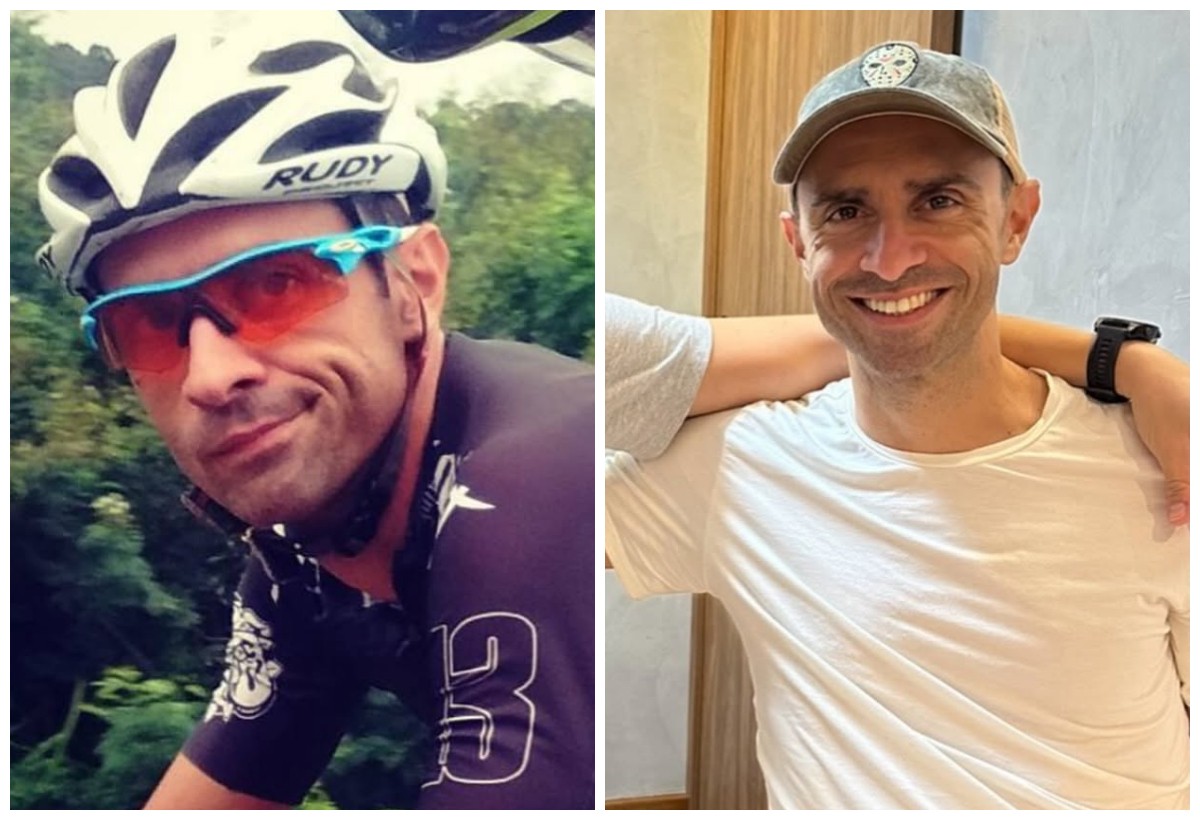
Julio Barreto, a 50-year-old advertising professional, died from cardiac arrest on Sunday, November 27th, after completing the 21-kilometer SP City Marathon in São Paulo. He collapsed shortly after crossing the finish line, experiencing loss of consciousness and unresponsiveness, according to race organizers. Barreto was the Market Access Manager at Danone, focusing on rare diseases and cancer treatments, and had joined the company in April. Previously, he served as Oncology Manager at Johnson & Johnson. An experienced long-distance athlete, Barreto transitioned from amateur cycling to road running and trail racing in 2021. He was a member of the Vila Leopoldina Road Runners group, which issued a statement mourning his loss and expressing condolences to his family and friends. Barreto was also a proud supporter of the Santos football club and advocated for patient quality of life within the pharmaceutical industry. Friends and colleagues expressed their grief on social media, remembering him as an inspiring figure who loved sports. The SP City Marathon, organized by Iguana Sports, stated that Barreto received immediate attention from the event's medical team, who initiated resuscitation efforts. He was then transported to a hospital, where he unfortunately passed away despite advanced care. The event's organizers expressed their deepest sympathies to his family and friends. The incident was registered as a natural death by the 7th DP (Lapa). Barreto was to be cremated at the Lapa Cemetery in São Paulo on Monday, November 27th, between 10 AM and 2 PM.
The tragic death of Julio Barreto during the SP City Marathon highlights the inherent risks associated with endurance sports and the critical importance of robust medical support at such events. While organizers provided prompt initial care, the incident prompts reflection on pre-event screening protocols for participants, especially those engaging in strenuous activities. The systemic challenge lies in balancing accessibility and participation in public sporting events with the imperative to safeguard participant health, considering factors like age, underlying conditions, and the physiological demands of marathon running. Future considerations may involve enhanced medical infrastructure, more stringent health declarations, and potentially wearable technology for real-time health monitoring, aligning with broader public health objectives in an era increasingly focused on preventative care and individual well-being.
AI-generated to prompt reflection — not editorial opinion, not advice, not a statement of fact. How this works.