Rural credit fuels mango production boom in Brazil's Pernambuco semi-arid region
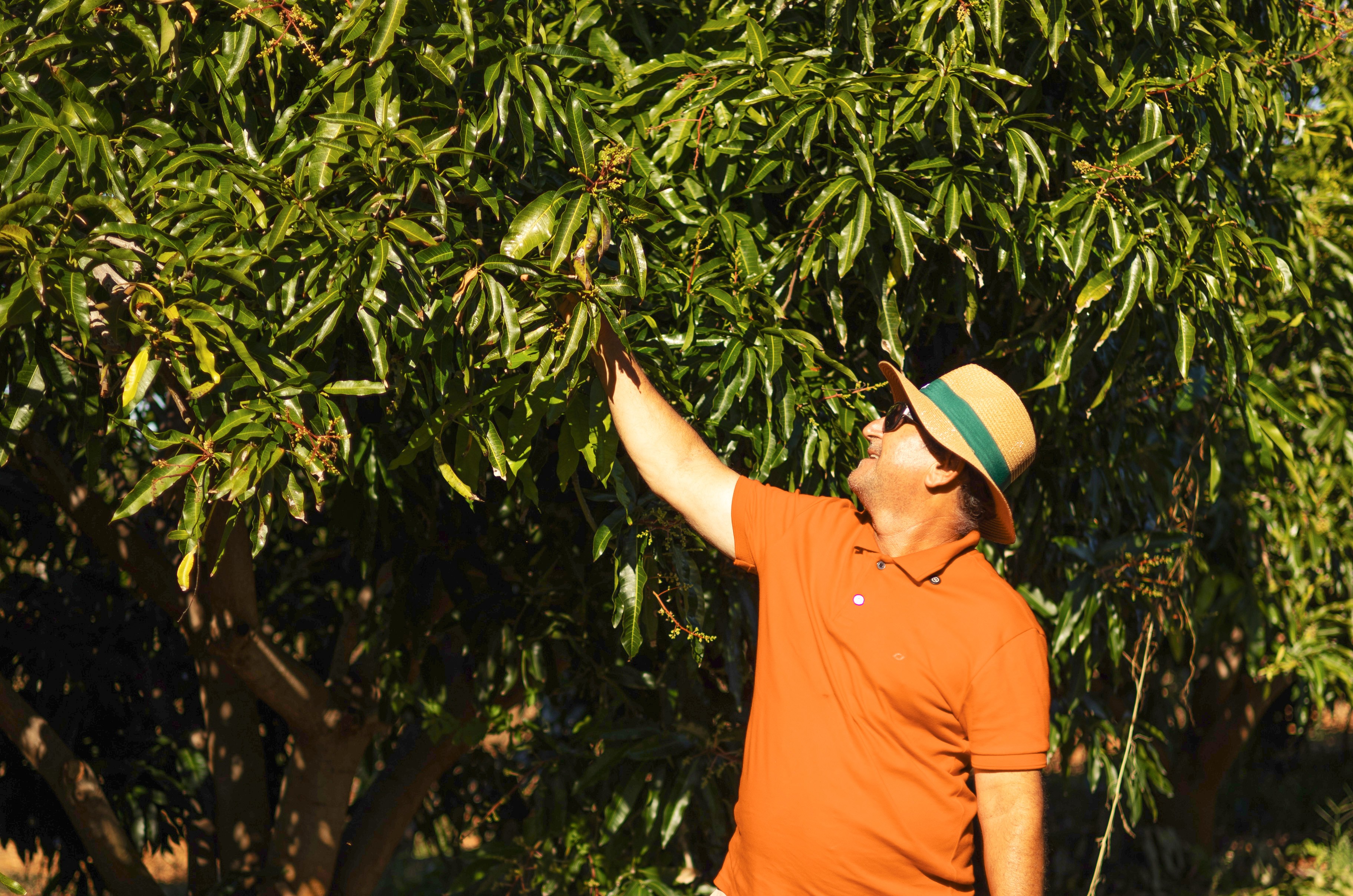
Iranildo da Silva Santana, a farmer in Petrolina, Pernambuco, has significantly expanded his mango cultivation from two to 11.5 hectares over 15 years, with six hectares now in full production. He initially struggled with insufficient water, resorting to nighttime irrigation to save on electricity costs and even contemplating abandoning his farm. The situation dramatically improved with access to rural credit through the Plano Safra program. This allowed him to invest approximately R$ 180,000 in expanding his water intake system and nearly R$ 400,000 in a comprehensive irrigation system, financed in part by the Cresol cooperative. Santana now harvests around 900,000 boxes of mangoes per harvest, primarily the Palmer variety, and also cultivates corn and papaya. His success story is emblematic of the broader impact of irrigated fruit farming in the region, which now supports around 100 families in his settlement. Santana highlights the crucial role of accessible credit with lower interest rates, noting that other banks offered less favorable terms. Higor Emanuel de Carvalho Alves, a manager at Cresol, confirms that irrigated fruit farming is a growing sector for the agency, and their support extends beyond financing to include technical assistance for solar panels, irrigation systems, and crop financing. The region's mango production is a significant contributor to Brazil's exports, with the Vale do Submédio São Francisco accounting for over 92% of shipments in 2025, solidifying mango as Brazil's top exported fruit. The PI-Manga Irrigation Project, operational since 2002, has cultivated 38,000 hectares under irrigation, creating approximately 152,000 direct and indirect jobs.
The narrative highlights how targeted rural credit, specifically through Brazil's Plano Safra and facilitated by cooperatives like Cresol, can transform agricultural productivity in challenging semi-arid environments. By enabling critical infrastructure investments like expanded water systems and modern irrigation, such programs address fundamental constraints like water scarcity and energy costs. This not only boosts individual farm output, as seen with Iranildo da Silva Santana's mango operation, but also fosters regional economic development and job creation in fruiticulture. The story underscores the systemic importance of accessible, affordable financing for small and medium-sized agricultural enterprises, particularly in regions vulnerable to climate variability. It suggests that effective public-private partnerships, involving government credit programs and cooperative financial institutions, are vital for unlocking agricultural potential and promoting export competitiveness, while also building resilience against environmental challenges.
AI-generated to prompt reflection — not editorial opinion, not advice, not a statement of fact. How this works.