Rural England's Affordable Housing Supply Faces Threat from Relaxed Planning Rules
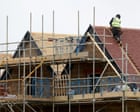
Analysis from the National Housing Federation suggests that up to half of the affordable new homes in rural England could be at risk if current government proposals to relax planning regulations for private housing developers are implemented. This potential loss amounts to approximately 32,000 homes over a ten-year period. The government is considering ending the requirement for developers to build a certain percentage of affordable housing, known as section 106 agreements, on new developments. This proposed change specifically targets developments ranging from 10 to 49 houses. The intention behind this policy shift is to stimulate slower-than-expected housebuilding rates. Ministers are expected to finalize their decision on this matter within the coming weeks. An alternative being considered is allowing developers to make financial contributions to local authorities instead of fulfilling the affordable housing quotas directly.
The proposed relaxation of affordable housing quotas for smaller developments in rural England highlights a tension between stimulating housing supply and preserving affordability. While the government aims to accelerate construction by easing developer obligations, this policy shift risks diminishing the availability of much-needed affordable homes in areas where they are already scarce. The analysis suggests a significant potential trade-off, where increased overall housing output might come at the cost of equitable access to housing for lower-income populations. Future policy decisions will need to carefully balance economic incentives for developers against the social imperative of ensuring housing is accessible across diverse income levels and geographical areas, particularly in the context of long-term demographic and economic trends.
AI-generated to prompt reflection — not editorial opinion, not advice, not a statement of fact. How this works.