Rural worker, 29, missing in São Carlos, SP; family appeals for information
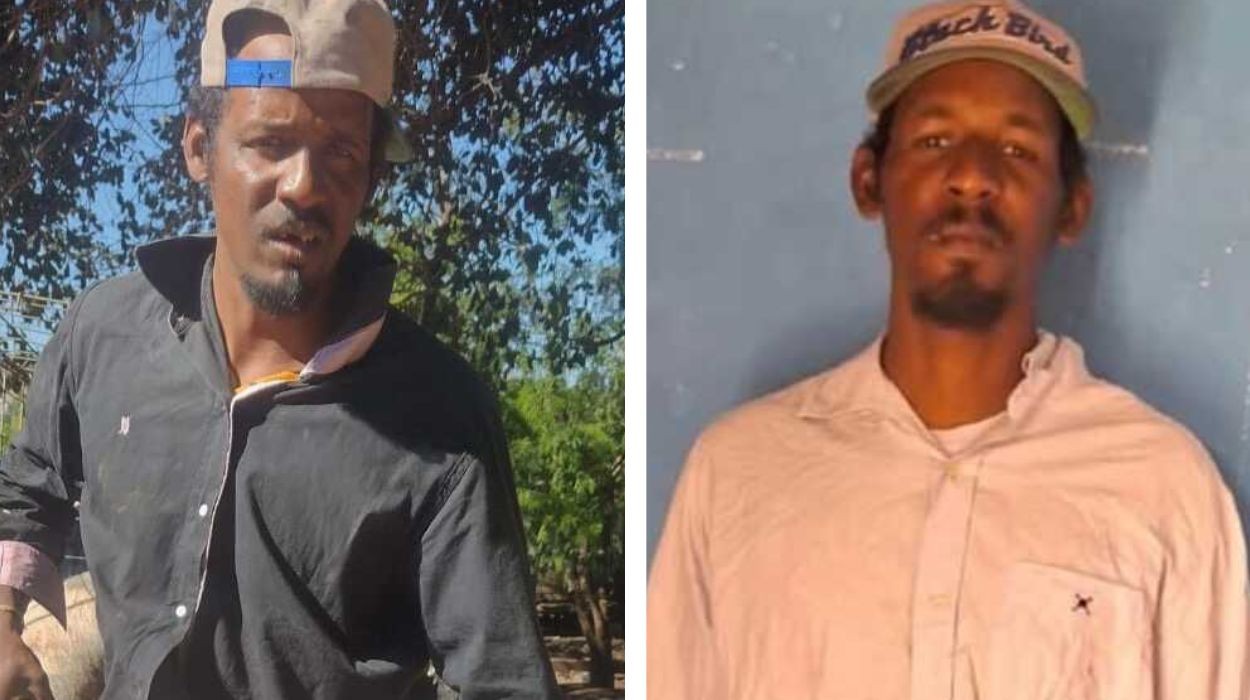
A 29-year-old rural worker, Bruno Jose Menezes da Silva, has been missing since June 27th, after leaving his home in the Antenor Garcia neighborhood of São Carlos, São Paulo state. His family is desperately seeking any information regarding his whereabouts. According to the police report, Bruno left home around 5 PM and did not return. Family members searched his usual frequented locations without success. On Monday, July 6th, the family reported that Bruno's dog returned home alone on Sunday, July 5th. His cousin, Janaina Rosa Gomes, described Bruno as a hardworking and humble individual, pleading for anyone who sees him to contact them immediately. The case has been registered as a missing person and is under investigation by the Civil Police. His sister, Bruna Menezes, mentioned that Bruno was diagnosed with panic disorder years ago and sometimes experienced confusion, but would recover. He typically stayed close to home and cared for his uncles' animals on the same street. She emphasized that he had never been away for this long. The cousin also stated that Bruno suffers from depression but is not currently undergoing treatment or taking medication. The family has provided contact numbers for information: Janaina at (16) 99638-1382 and Bruna at (16) 99280-3444, or the Military Police at 190.
The disappearance of Bruno Jose Menezes da Silva highlights the challenges faced by families when a loved one goes missing, particularly when mental health conditions like panic disorder and depression are involved. The case underscores the importance of robust community support systems and accessible mental healthcare resources. The family's distress and public appeal emphasize the emotional toll and the critical need for timely information from law enforcement and the public. From a systemic perspective, such incidents can prompt reviews of missing persons protocols and the integration of mental health support within emergency response frameworks. The situation also points to the societal need to destigmatize mental health issues, encouraging individuals to seek and maintain treatment, which could potentially mitigate risks of disorientation or prolonged absence.
AI-generated to prompt reflection — not editorial opinion, not advice, not a statement of fact. How this works.