Rural worker and family rescued from slavery-like conditions in Ceará, Brazil
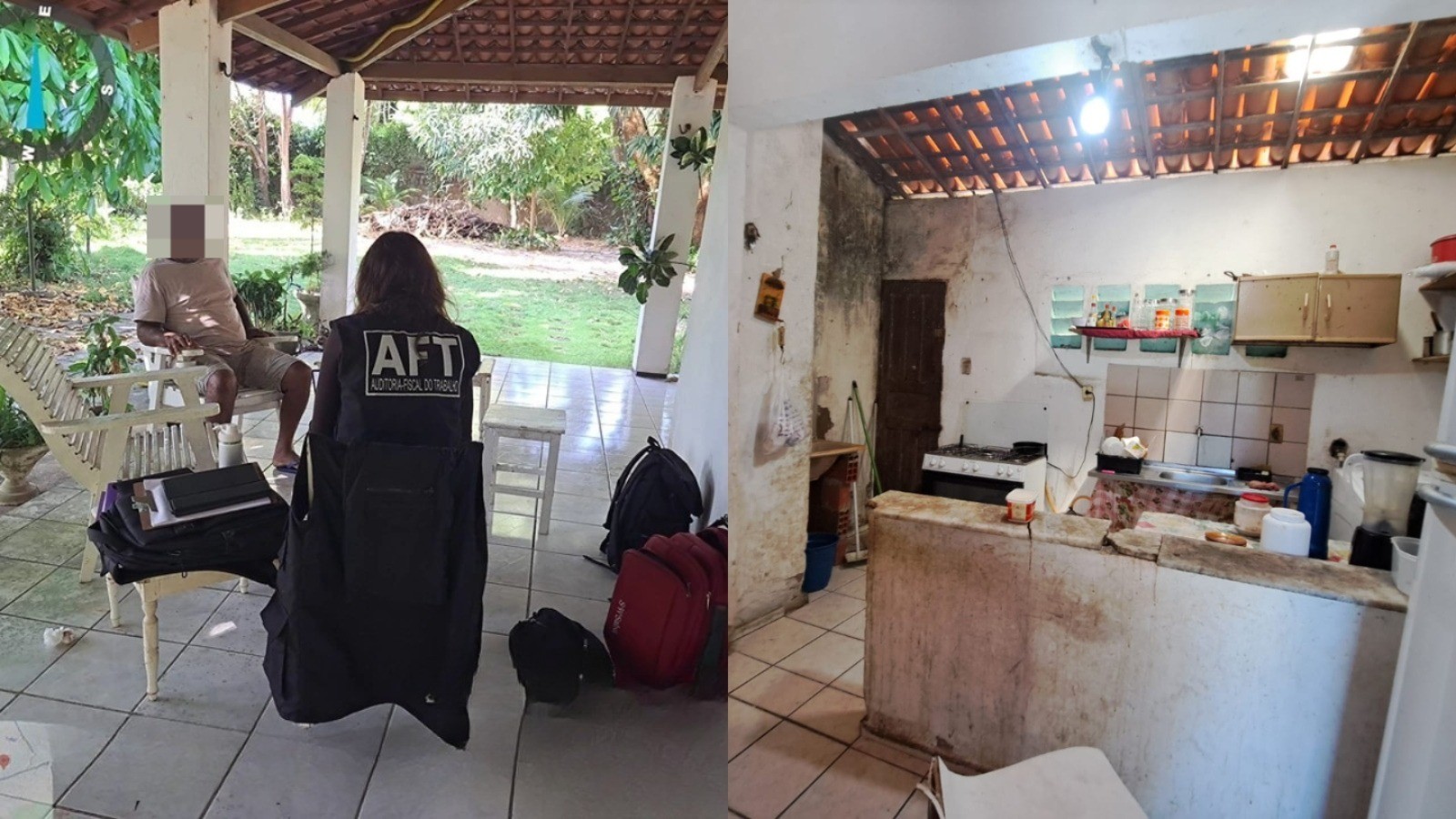
Labor inspectors in Aquiraz, Ceará, Brazil, rescued a rural property caretaker and his family from conditions analogous to slavery. The operation occurred shortly before another rescue in a neighboring city where a domestic worker was found to have worked 55 years without pay. Upon discovery, the caretaker and his family had only instant noodles to eat, indicating extreme food insecurity. The worker had been employed on the property for approximately 18 years, living with his wife and children without formal employment registration or basic labor rights. The employer, whose identity was not disclosed, signed a Conduct Adjustment Agreement (TAC) with the Public Ministry of Labor, acknowledging the irregularities and committing to regularize the worker's employment status. The family was relocated to rented housing. The worker stated he had been on the property since September 2008, a claim supported by witnesses. Labor inspectors used this date to calculate potential back pay, social security, and severance payments. The employer, however, only recognized the employment relationship from July 1, 2020, to June 23, 2026, and agreed to obligations solely for this period. The agreement allows the worker to pursue legal action for any additional amounts owed, including for the period he claims since 2008. The worker had accepted the job offer, which promised formal employment, a minimum monthly wage, a food basket, and better living conditions, leading him to sell his previous home. However, these promises were not fulfilled; employment was never formalized, and pay became irregular and decreased over time, especially during the COVID-19 pandemic. The family relied on neighbors and relatives for food. The worker was responsible for extensive property maintenance, often without adequate training or protective equipment. He had limited contact with his family in his home state and was restricted from leaving the property without authorization. The family's housing had persistent structural issues, including leaks and deterioration, with improvised repairs made by the residents. The home initially lacked basic furniture and had only a small refrigerator, with some items obtained through donations. Labor inspectors estimated the worker is owed approximately R$180,000 in back pay, including unpaid vacations, 13th salaries, and overtime. The employer agreed to pay R$50,000 in two installments as part of the TAC, and to formalize the employment and social security contributions for the recognized period.
This case highlights systemic failures in labor law enforcement and worker protection, particularly in rural settings where oversight can be challenging. The narrative reveals a stark contrast between promised employment conditions and the reality experienced by the worker and his family, leading to severe economic vulnerability and food insecurity. The employer's agreement to a Conduct Adjustment Term, while a step towards remediation, only partially acknowledges the worker's claims, underscoring the complexities of proving and rectifying long-term labor exploitation. Future efforts should focus on proactive monitoring, accessible reporting mechanisms for workers, and stronger penalties for employers who engage in deceptive hiring practices that result in conditions akin to modern slavery. The incident also points to the critical role of social support networks and the need for robust government assistance for victims of such exploitation.
AI-generated to prompt reflection — not editorial opinion, not advice, not a statement of fact. How this works.