Russia Accused of 18-Month Drone Surveillance Campaign Targeting European Nuclear Sites
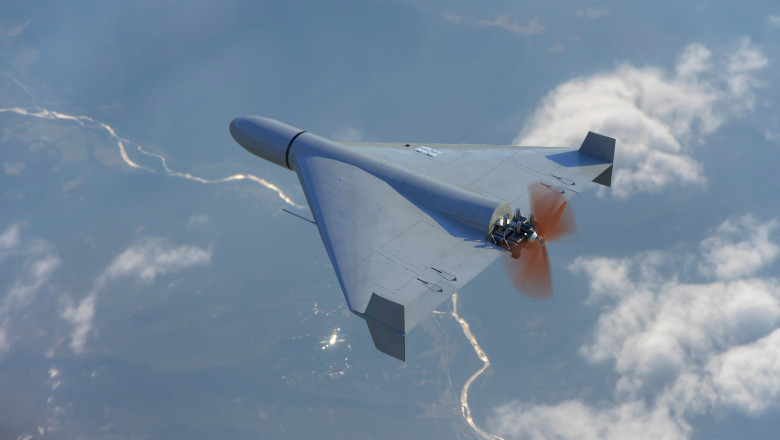
Russian intelligence allegedly conducted an 18-month coordinated surveillance campaign targeting nuclear facilities in the United Kingdom, France, Belgium, and the Netherlands. Researchers claim that drones were launched from vessels belonging to a "ghost fleet" to carry out this operation. The findings suggest a significant and prolonged effort by the Kremlin to gather intelligence on sensitive European infrastructure. This alleged campaign highlights potential vulnerabilities in the security of nuclear sites and raises concerns about state-sponsored espionage activities.
The reported drone surveillance campaign, if substantiated, indicates a sophisticated and sustained intelligence-gathering operation by the Russian state. Such activities, targeting critical infrastructure like nuclear facilities, underscore the evolving landscape of geopolitical competition and the increasing reliance on asymmetric capabilities. The use of a "ghost fleet" suggests an effort to obfuscate attribution and maintain plausible deniability, a common tactic in modern intelligence operations. This situation prompts consideration of enhanced international cooperation on airspace monitoring and the development of more robust defenses against low-cost, high-impact surveillance technologies. Future strategic planning must account for the persistent threat of such covert operations and their potential to destabilize regional security dynamics.
AI-generated to prompt reflection — not editorial opinion, not advice, not a statement of fact. How this works.