Russia Acknowledges Gasoline Shortage Following Ukrainian Strikes on Refineries
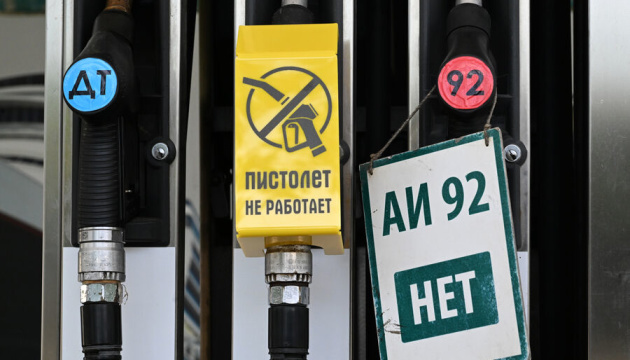
Russian authorities have for the first time officially acknowledged a gasoline shortage in the country. This deficit comes in the wake of Ukrainian drone attacks targeting oil refineries. These strikes have significantly impacted the nation's oil processing capabilities, causing them to plummet to their lowest levels in over two decades. The reduction in refining capacity directly correlates with the emerging gasoline scarcity. This marks a significant shift in the official narrative, as the government now publicly admits the consequences of these attacks on domestic fuel supply. The situation highlights the vulnerability of Russia's energy infrastructure to external military actions. The full extent of the shortage and its duration remain to be seen, but the acknowledgment itself is a notable development.
The admission of a gasoline shortage following Ukrainian strikes on Russian oil refineries signifies a critical vulnerability in Russia's energy sector. The documented decline in oil processing to a multi-decade low suggests that the cumulative impact of these attacks is now exceeding the industry's resilience and mitigation strategies. This situation presents a complex challenge for the Russian government, balancing domestic supply needs against the ongoing conflict and its economic repercussions. Future developments will likely hinge on the effectiveness of refinery protection measures, the pace of repairs, and the potential for alternative supply sources, all within the context of evolving geopolitical pressures and technological capabilities in drone warfare.
AI-generated to prompt reflection — not editorial opinion, not advice, not a statement of fact. How this works.