Russia Adapts to Ukrainian Drone Attacks, Finds Starlink Alternatives
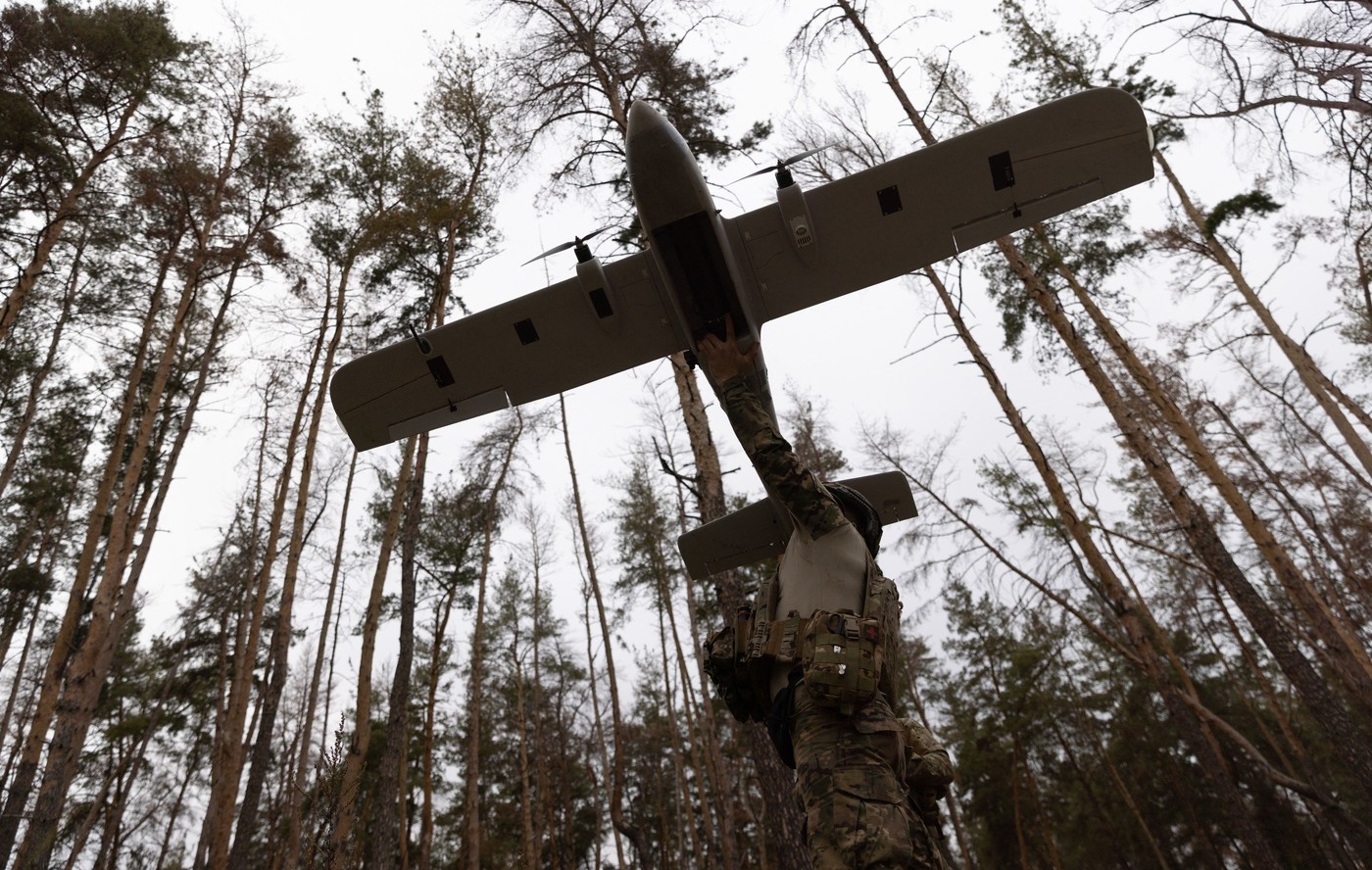
Russian forces engaged in the conflict in Ukraine have undergone significant adaptation since the initial invasion in 2022, learning to evolve and institutionalize lessons from modern warfare more rapidly than at the outset of the conflict. Ukraine has consistently altered the battlefield dynamics. In response to Ukrainian tactics, including drone attacks, Russia has developed strategies to counter these threats. Furthermore, the Russian military has sought and found solutions to replace deactivated Starlink terminals, which were previously a critical communication tool. This ongoing adaptation highlights the dynamic nature of the conflict and Russia's efforts to maintain operational effectiveness despite evolving challenges posed by Ukrainian forces. The ability of the Russian military to learn and implement changes quickly is a key factor in its current operational posture.
The conflict demonstrates the critical role of technological adaptation and resilience in modern warfare. Russia's efforts to counter Ukrainian drone attacks and find alternatives to disrupted communication systems like Starlink highlight the importance of diversified technological strategies. This situation underscores the ongoing arms race in technological innovation between belligerents, where the ability to rapidly develop and deploy countermeasures and alternative solutions can significantly impact battlefield outcomes. Future military strategies will likely prioritize robust, adaptable communication networks and advanced defensive capabilities against unmanned aerial systems.
AI-generated to prompt reflection — not editorial opinion, not advice, not a statement of fact. How this works.