Russia Adds Telegram Founder Pavel Durov to Terrorist List
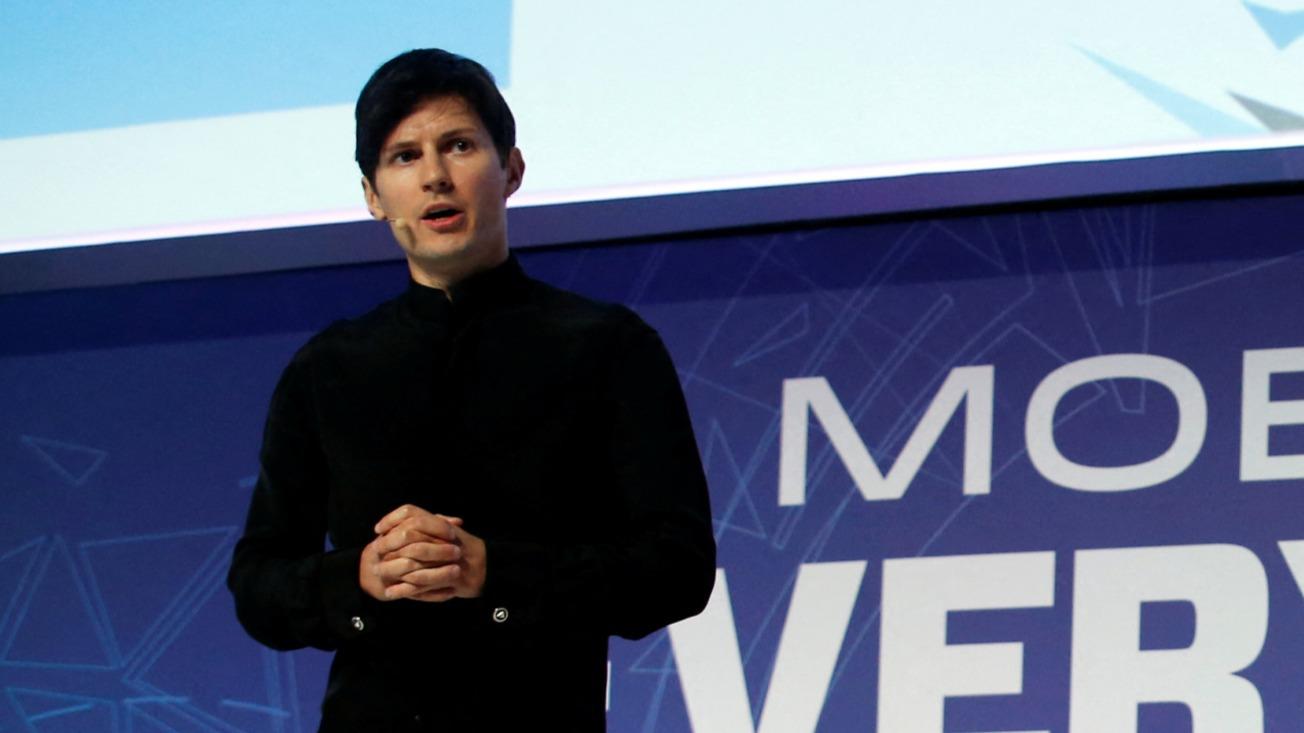
Moscou has officially added Pavel Durov, the founder of the messaging application Telegram, to its list of "terrorists." This designation follows the announcement of an international search procedure against Durov for alleged "complicity in terrorism." The Russian authorities have indicated that Telegram is reportedly being utilized by Ukraine for recruitment purposes. The exact nature of the evidence or the specific legal basis for this designation and search procedure has not been detailed by Moscow. This action signifies a significant escalation in the relationship between the Russian state and the popular encrypted messaging service. Durov, who also founded VKontakte, Russia's largest social network, has been living outside Russia for several years. The implications of this designation for Telegram's operations within Russia and for its users remain to be seen. The move could potentially lead to further restrictions or blocking of the platform within the country.
Russia's designation of Telegram founder Pavel Durov as a "terrorist" and initiation of an international search warrant appear to be strategic maneuvers within the broader geopolitical information warfare landscape. The stated justification, Telegram's alleged use by Ukraine for recruitment, highlights the platform's dual-use nature as a powerful communication tool capable of both civilian and state-sponsored activities. This action may aim to exert pressure on Durov and Telegram to comply with Russian data access or content moderation demands, or to delegitimize a platform perceived as a conduit for information challenging state narratives. The long-term impact could involve increased fragmentation of the global digital communication space, with nations adopting more protectionist or restrictive policies towards cross-border platforms. This event underscores the ongoing tension between state sovereignty, national security concerns, and the principles of free information flow in the digital age.
AI-generated to prompt reflection — not editorial opinion, not advice, not a statement of fact. How this works.