Russia at a Political Crossroads Amid Escalation and Calls for Change
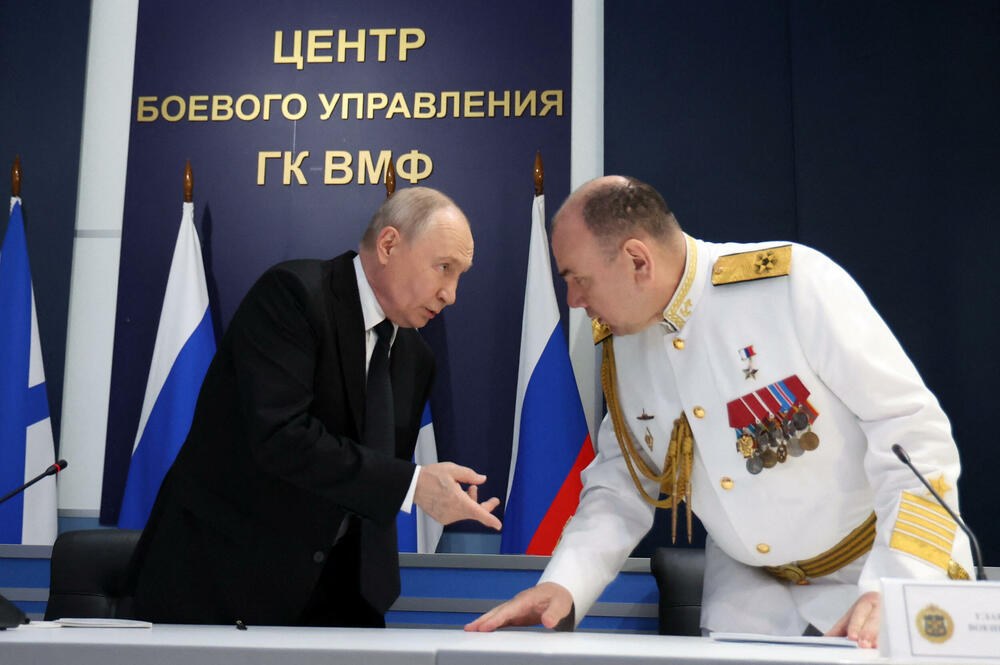
Russia finds itself at a significant political crossroads, facing potential instability within its regime. President Vladimir Putin's policy of escalation, particularly concerning recent events, is meeting with increasingly vocal demands for internal systemic changes. These pressures, both from external actions and internal dissent, could seriously shake the foundations of the current Russian leadership. The situation suggests a period of heightened uncertainty regarding the future direction of Russian politics and governance. The interplay between the government's assertive foreign policy and domestic calls for reform presents a complex challenge for the Kremlin. The regime's ability to navigate these dual pressures will be critical in determining its long-term stability. Observers are closely watching how these dynamics unfold and their potential impact on both Russia and the international stage.
The current political climate in Russia appears to be shaped by a tension between a sustained policy of external escalation and growing internal pressures for systemic reform. This dynamic suggests a potential governance challenge where the costs of assertive foreign policy may be increasingly felt domestically, leading to demands for internal adjustments. The interplay between geopolitical strategy and domestic stability is a recurring theme in statecraft, and Russia's situation may offer insights into the sustainability of such approaches in the long term. Future developments will likely depend on the regime's capacity to manage these competing forces, balancing external objectives with internal societal expectations and the evolving demands of a populace potentially seeking greater political and economic responsiveness.
AI-generated to prompt reflection — not editorial opinion, not advice, not a statement of fact. How this works.