Russia Claims BRICS Security Faces Constant Threats
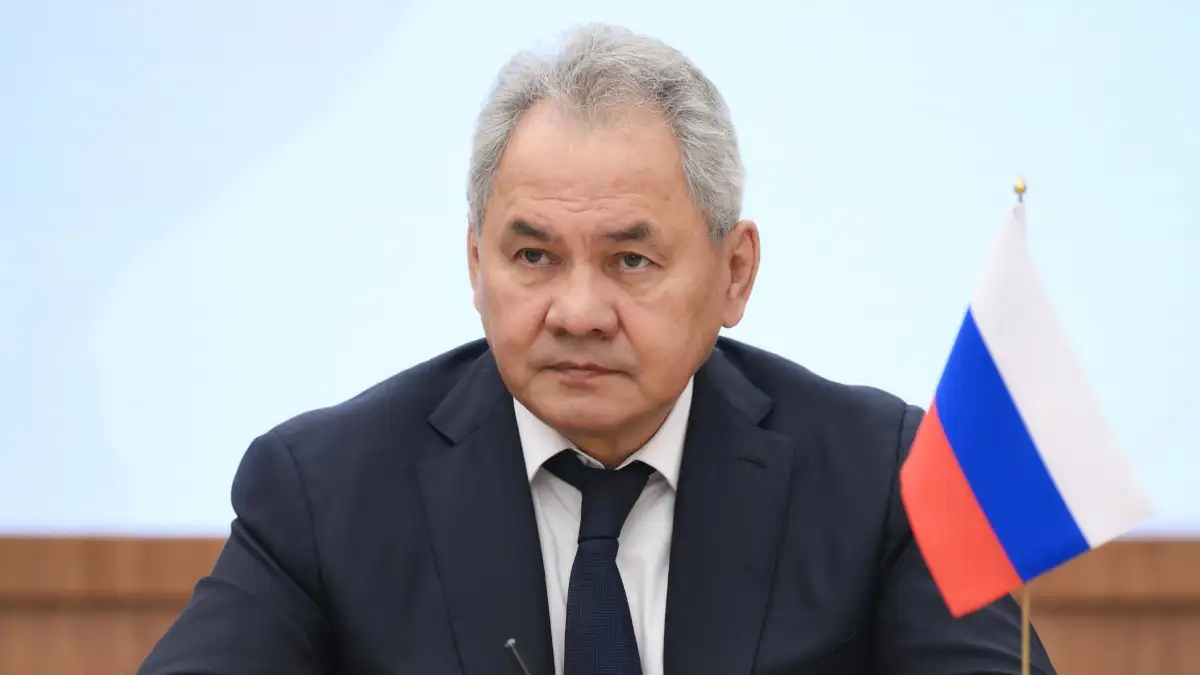
Sergei Shoigu, Secretary of Russia's Security Council, stated on Tuesday, June 23rd, that the security of BRICS member nations is under perpetual threat. This declaration was made during a meeting of high-level representatives from the bloc who are responsible for security matters. Shoigu urged the group to establish itself as a central player in reshaping the global order. The meeting, attended by security officials from Brazil, Russia, India, China, and South Africa, focused on current geopolitical challenges and the role of BRICS in addressing them. Discussions likely revolved around emerging security concerns and strategies for collective response. The Russian official's remarks underscore perceived vulnerabilities within the international security landscape and highlight BRICS' ambition to increase its influence. The bloc aims to foster greater cooperation among its members to navigate these complex security environments effectively. Further details on the specific threats and proposed reshaping of the global order were not immediately available.
Russia's assertion of constant threats to BRICS security, voiced by Security Council Secretary Sergei Shoigu, frames the bloc's geopolitical positioning. This statement may serve to galvanize internal cohesion and external projection of BRICS as a counterweight to existing global security architectures. The call for BRICS to become a central actor in reshaping the international order suggests an intent to challenge established norms and power dynamics. From a systems perspective, such rhetoric can be analyzed through the lens of geopolitical competition and the formation of alternative multilateral frameworks. The effectiveness of BRICS in achieving this ambitious goal will depend on its members' ability to align strategic interests and coordinate actions amidst diverse national priorities and evolving global challenges, particularly in the context of increasing technological and economic interdependence.
AI-generated to prompt reflection — not editorial opinion, not advice, not a statement of fact. How this works.