Russia Claims Control of Ukrainian Town Kostiantynivka in Donbas
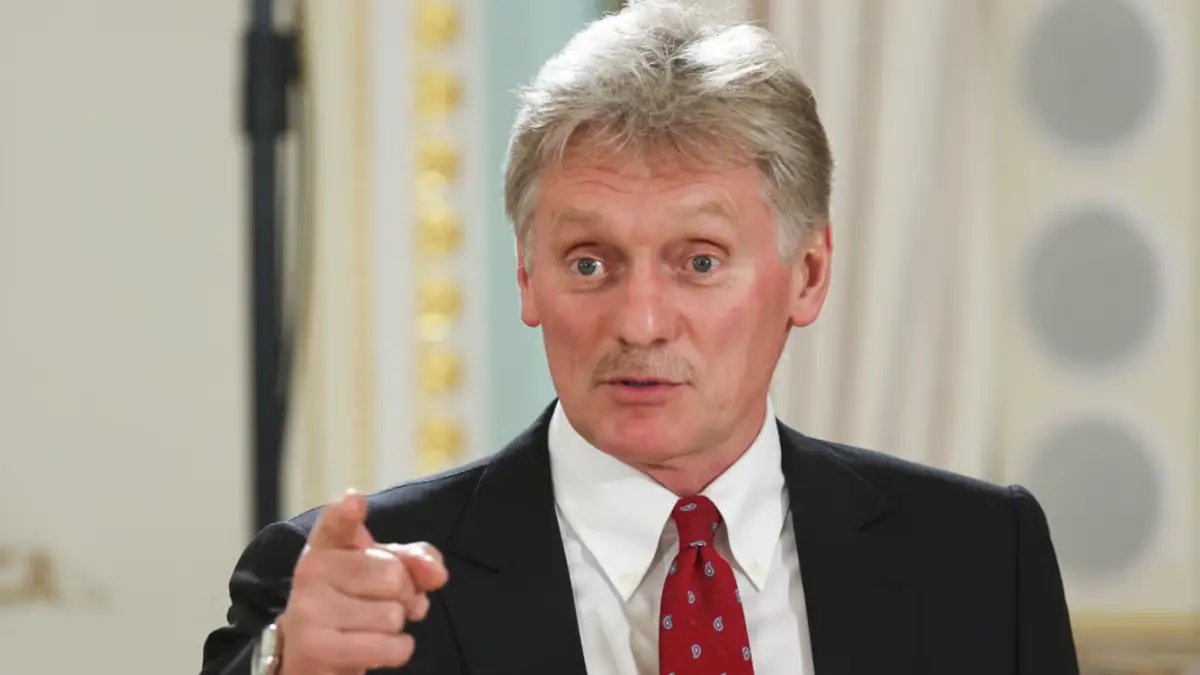
Kremlin spokesperson Dmitry Peskov announced on Friday that Kostiantynivka, a town in the Donbas region, has fully come under Russian control. Peskov described the town as a stronghold that Ukrainian forces had transformed into a heavily fortified area. This claim of capture was made alongside President Vladimir Putin. The town had reportedly been held by Ukrainian forces for eleven years prior to this announcement. Peskov stated that the capture of Kostiantynivka represents a significant development in the ongoing conflict. He further elaborated on the strategic importance of the town within the broader Donbas operational theater. The Russian Ministry of Defense is expected to provide further details on the operation and the current status of the town. This development, if confirmed, would mark a notable shift in territorial control in eastern Ukraine. The duration of Ukrainian control, stated as eleven years, highlights the protracted nature of the conflict in the region.
The announcement of Kostiantynivka's capture by Russian forces, as stated by Kremlin spokesperson Dmitry Peskov, should be viewed within the context of information warfare. Such claims often serve to bolster domestic morale and international perception of military progress, particularly when territorial gains are incremental. The description of the town as a 'stronghold' transformed into a 'fortified zone' by Ukrainian forces suggests a deliberate effort to frame the capture as a hard-won strategic victory, potentially justifying the resources expended. Future assessments will require independent verification of territorial control and an understanding of the military significance of Kostiantynivka beyond its declared status as a stronghold. The long duration of Ukrainian control, cited as eleven years, underscores the deeply entrenched nature of the conflict and the potential for protracted fighting over key locations in the Donbas region.
AI-generated to prompt reflection — not editorial opinion, not advice, not a statement of fact. How this works.