Russia Claims Key Role in UN Diplomatic Progress Between Iran and US
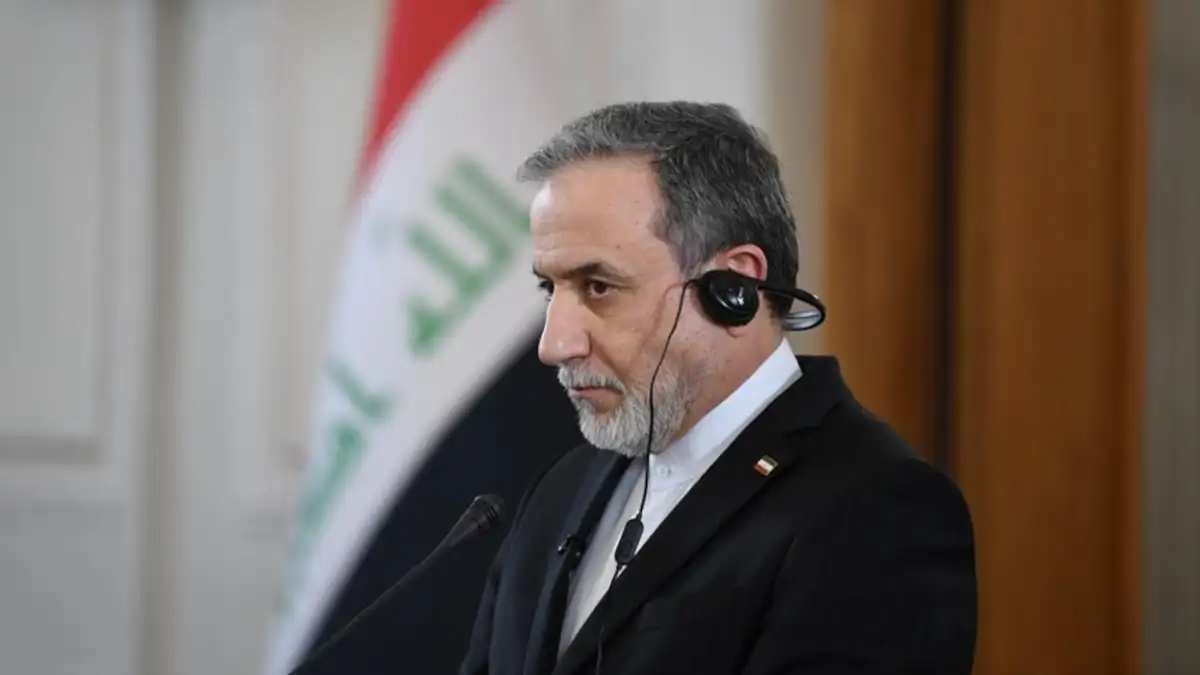
Russia asserts it played a crucial part in fostering diplomatic progress between Iran and the United States at the United Nations. Moscow claims it decisively contributed to this rapprochement by collaborating with China to block a UN Security Council resolution deemed counterproductive. This assertion was made on June 22 by Kirill Logvinov, director of the Department of International Organizations at the Russian Ministry of Foreign Affairs. Logvinov shared these details in an interview with the TASS agency. The specific resolution in question was not detailed, but Russia's action, in conjunction with China, aimed to prevent what they perceived as a detrimental step in the diplomatic process. This move highlights Russia's active engagement in international diplomacy, particularly concerning the relationship between Iran and the US. The Russian Foreign Ministry official's statement suggests a strategic effort by Moscow to influence the trajectory of UN-related diplomatic efforts involving these two nations. The claim underscores the complex geopolitical dynamics at play within the UN Security Council and the broader international arena.
Russia's assertion of a pivotal role in facilitating Iran-US diplomatic progress at the UN suggests a strategic positioning within global governance. By framing its actions as blocking a 'counterproductive' resolution, Russia positions itself as a mediator and influencer of international outcomes. This narrative can serve to bolster its diplomatic standing and potentially leverage its influence in other geopolitical arenas. The emphasis on blocking rather than proposing solutions invites scrutiny of the underlying incentives. Is the objective to genuinely advance diplomacy, or to assert influence and potentially create dependencies? Examining the specific content of the blocked resolution and the broader context of US-Iran relations, including sanctions and nuclear agreements, is crucial for a comprehensive understanding. The long-term implications may involve shifts in power dynamics within the Security Council and the effectiveness of multilateral institutions in navigating complex bilateral disputes.
AI-generated to prompt reflection — not editorial opinion, not advice, not a statement of fact. How this works.