Russia Condemns NATO's Ukraine Commitments as 'Irresponsible'
,xPosition=.5,yPosition=.5;Resize=(1200,675)&impolicy=medium)
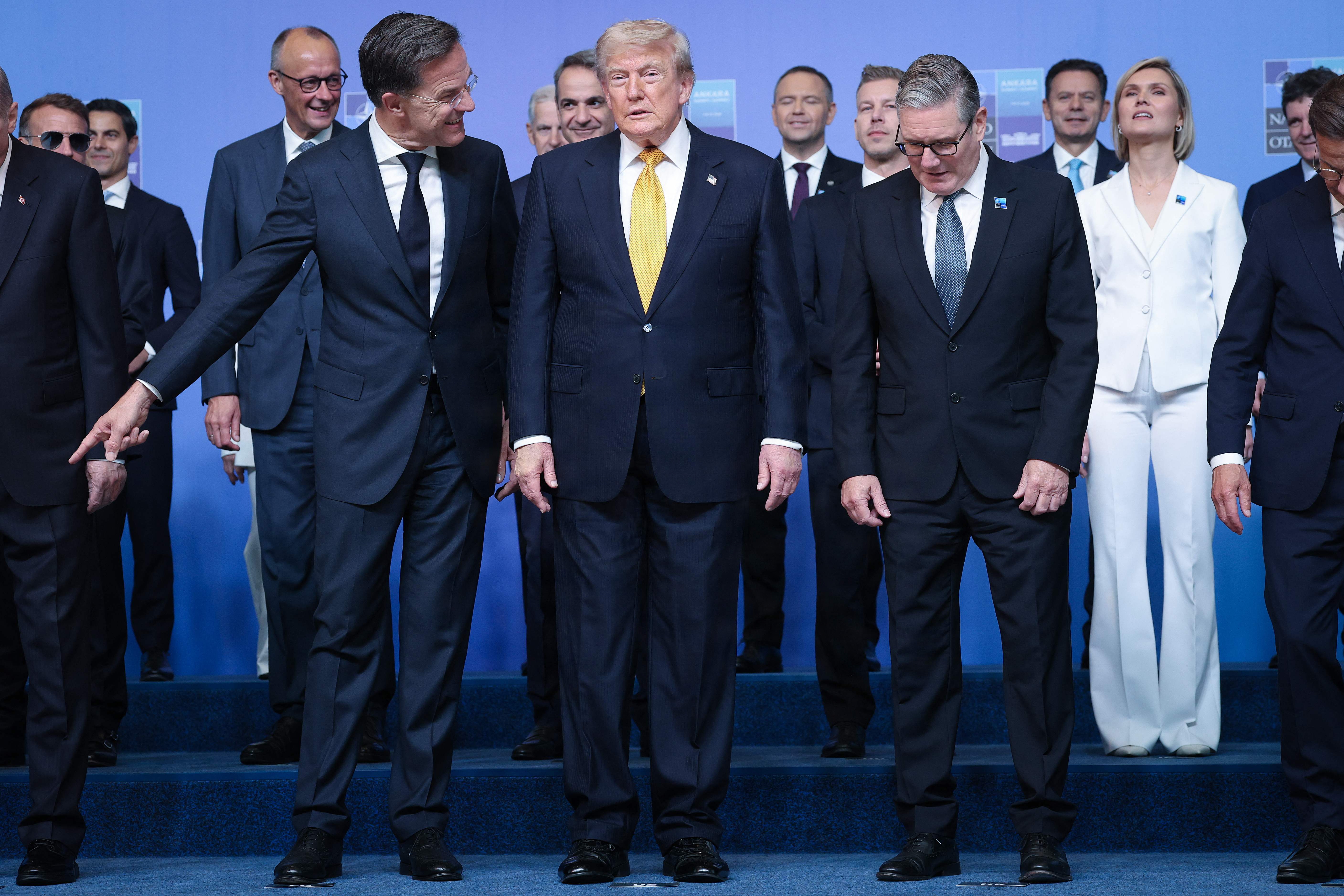
Russia has strongly criticized the North Atlantic Treaty Organization's (NATO) commitments to Ukraine, labeling them as 'irresponsible.' The Russian government's statement indicates a deep dissatisfaction with the ongoing support provided by NATO members to Ukraine. This stance reflects the escalating tensions between Russia and the Western military alliance. The Kremlin views NATO's continued engagement with Ukraine as a direct threat to its security interests. Russia has repeatedly warned against further NATO expansion and military cooperation with countries bordering its territory. The recent pronouncements suggest a hardening of Russia's position on the matter. The international community watches closely as these diplomatic exchanges intensify, with potential implications for regional stability.
These Russian remarks underscore the significant geopolitical fault lines that have emerged in Eastern Europe. The ongoing conflict in Ukraine has become a focal point for broader strategic competition between Russia and NATO. While NATO maintains its commitment to supporting Ukraine's sovereignty and territorial integrity, Russia perceives these actions as provocative. The differing perspectives highlight the challenges in de-escalating the current situation and finding a path toward a peaceful resolution. The 'irresponsible' label suggests Russia believes these commitments could lead to unintended consequences or further escalation of the conflict.
Russia's characterization of NATO's commitments to Ukraine as 'irresponsible' highlights a fundamental divergence in security perceptions and strategic objectives. From Russia's perspective, NATO's eastward expansion and deepening ties with Ukraine are seen as direct challenges to its sphere of influence and national security. Conversely, NATO and its member states view these actions as necessary measures to uphold international law, support a sovereign nation's right to self-determination, and deter further aggression. This dynamic reflects a classic security dilemma, where actions taken by one party to enhance its security are perceived as threatening by another, leading to a cycle of mistrust and counter-measures. Looking ahead, the persistent tension between these opposing viewpoints suggests a prolonged period of geopolitical friction. The challenge lies in navigating these competing interests without triggering wider conflict, demanding sophisticated diplomatic engagement and a clear understanding of each actor's core security calculus.
AI-generated to prompt reflection — not editorial opinion, not advice, not a statement of fact. How this works.