Russia Contrasts BRICS Operations with NATO and EU Models
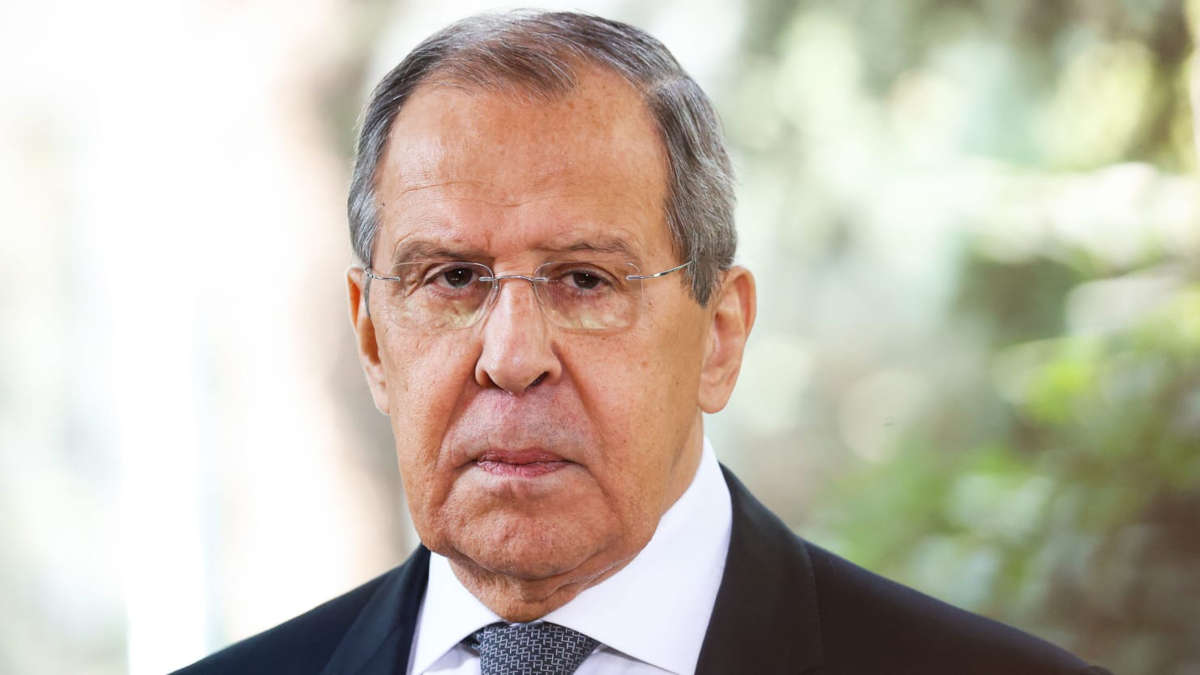
Russian Foreign Minister Sergey Lavrov, in an interview with TASS Director General Andrey Kondrashov on July 29, differentiated the operational framework of the BRICS bloc from that of NATO and the European Union. Lavrov stated that neither Russia nor China has ever imposed demands on other BRICS member states. He emphasized that BRICS operates on principles distinct from the perceived mandates of Western alliances. The interview, conducted by TASS, highlighted Russia's perspective on the evolving international landscape and the role of emerging economic blocs. Lavrov's remarks suggest a preference for a more flexible and less prescriptive model of international cooperation within BRICS. This contrasts with the often more structured and policy-driven approach seen in organizations like NATO and the EU. The Russian foreign minister's comments underscore a strategic positioning of BRICS as an alternative or complementary framework to existing global governance structures. The specific details of these differing operational functions were not fully elaborated in the provided text, but the core assertion is a divergence in approach and member expectations.
Sergey Lavrov's comparison of BRICS to NATO and the EU highlights a divergence in international cooperation models. While BRICS, as articulated by Russia, emphasizes non-imposition of demands, suggesting a model based on voluntary association and mutual respect for sovereignty, organizations like NATO and the EU often involve deeper integration, shared strategic objectives, and sometimes, binding commitments. The BRICS approach may appeal to nations seeking greater autonomy while still desiring multilateral engagement, potentially fostering a more flexible global order. However, the effectiveness and long-term cohesion of such a model, particularly in addressing complex geopolitical and economic challenges, remain to be seen. The dynamic will be shaped by the evolving interests of its member states and their capacity to forge consensus without the institutionalized mechanisms present in more established alliances.
AI-generated to prompt reflection — not editorial opinion, not advice, not a statement of fact. How this works.