Russia Cracks Down on Dissent Ahead of Elections Amid War and Fuel Shortages
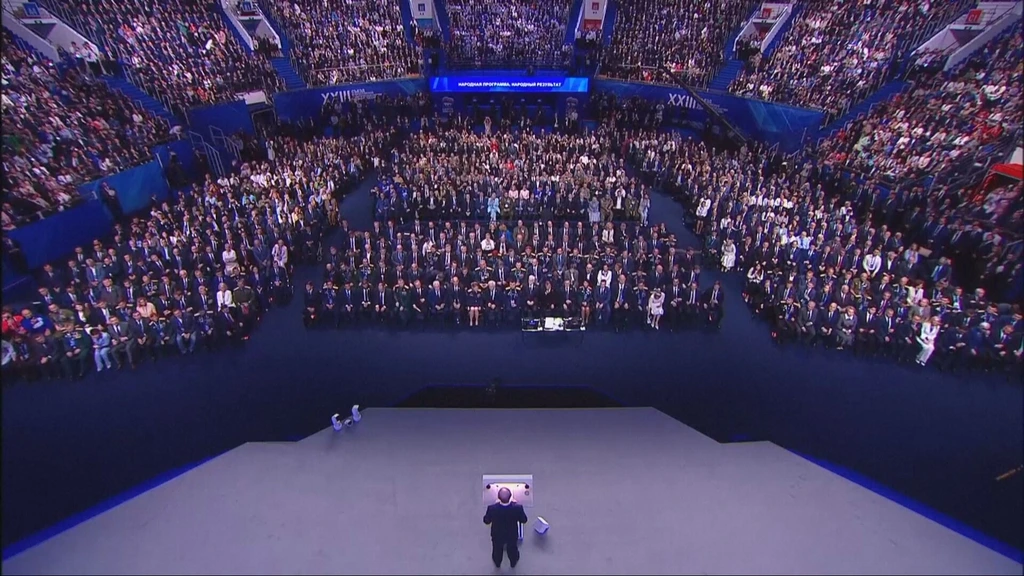
As Russia approaches its parliamentary elections in mid-September, President Putin is intensifying repression against any remaining opposition elements, aiming to leave nothing to chance. This crackdown occurs against a backdrop of already significant political oppression, with the human rights organization Memorial reporting 1,711 political prisoners currently incarcerated, exceeding the numbers seen in the late Soviet era. Russia is unique in holding elections during wartime, though the Kremlin officially terms the conflict a 'special military operation' rather than a war. The election campaign is further complicated by ongoing Ukrainian drone attacks targeting Russia's energy sector, leading to widespread fuel shortages and long queues at gas stations. President Putin addressed the war at his United Russia party congress, calling it a "momentous occasion" for Russia. Other parties, like the Communist Party (KPRF), have also held congresses and submitted candidate lists. The KPRF, expected to be the second-largest party, focuses on past Soviet achievements under Stalin and offers no clear vision for the war or the future. The opposition party Yabloko, which is not currently in parliament, advocates for an immediate end to the war. However, many of its candidates face severe repercussions; 40 of its 250 candidates are barred from running, and seven are imprisoned. Former Moscow municipal councilor Maksim Kruglov received a seven-year sentence in a penal colony for allegedly spreading false information about the army, following his public statements about civilian deaths in Bucha. Yabloko's deputy leader, Kruglov maintains his innocence, stating he merely called for an investigation. Supporters, including politician and ecologist Nikolaj Ljaskin, view Kruglov's trial as a show trial designed to intimidate the population and suppress dissenting voices, particularly those advocating for peace talks. Ljaskin believes the Kremlin uses harsh sentences to instill fear and maintain control, sending a message that even law-abiding citizens can be targeted. The ongoing persecution of individuals like Kruglov underscores the Putin regime's intolerance for dissent, especially during election periods, a danger historically exemplified by the death of opposition leader Aleksej Navalny in a penal camp.
The upcoming Russian parliamentary elections are framed by heightened state control and repression, occurring concurrently with a protracted military conflict and domestic economic challenges like fuel shortages. The Kremlin's strategy appears to involve consolidating political power by suppressing opposition voices and projecting an image of stability, despite the external pressures. The severe penalties meted out to opposition figures like Maksim Kruglov serve as a stark deterrent, aiming to cultivate public compliance through fear. This approach, while effective in the short term for maintaining control, risks exacerbating societal divisions and undermining long-term legitimacy. As global geopolitical landscapes evolve and technological advancements accelerate, Russia's internal political dynamics will continue to be shaped by the tension between centralized authority and the inherent human desire for open discourse and self-determination. The sustainability of a governance model reliant on suppression, particularly in the face of persistent external and internal pressures, warrants careful observation over the next decade.
AI-generated to prompt reflection — not editorial opinion, not advice, not a statement of fact. How this works.